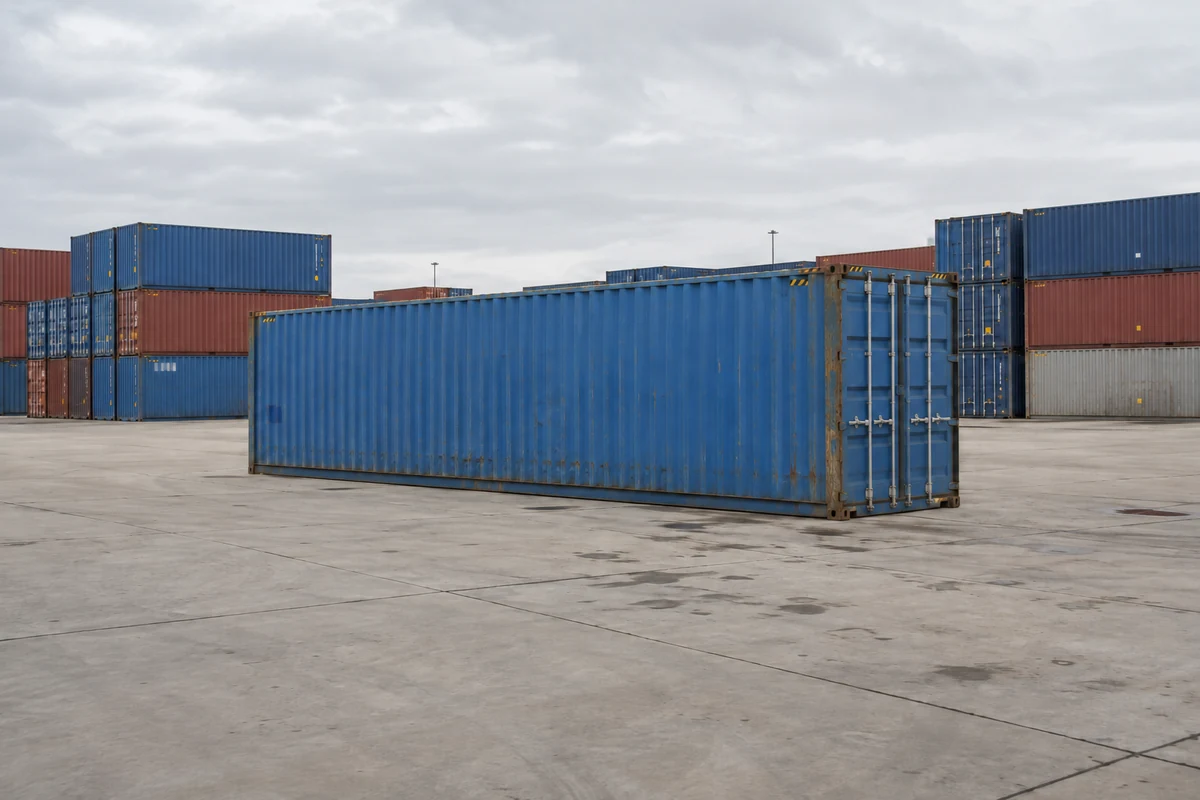
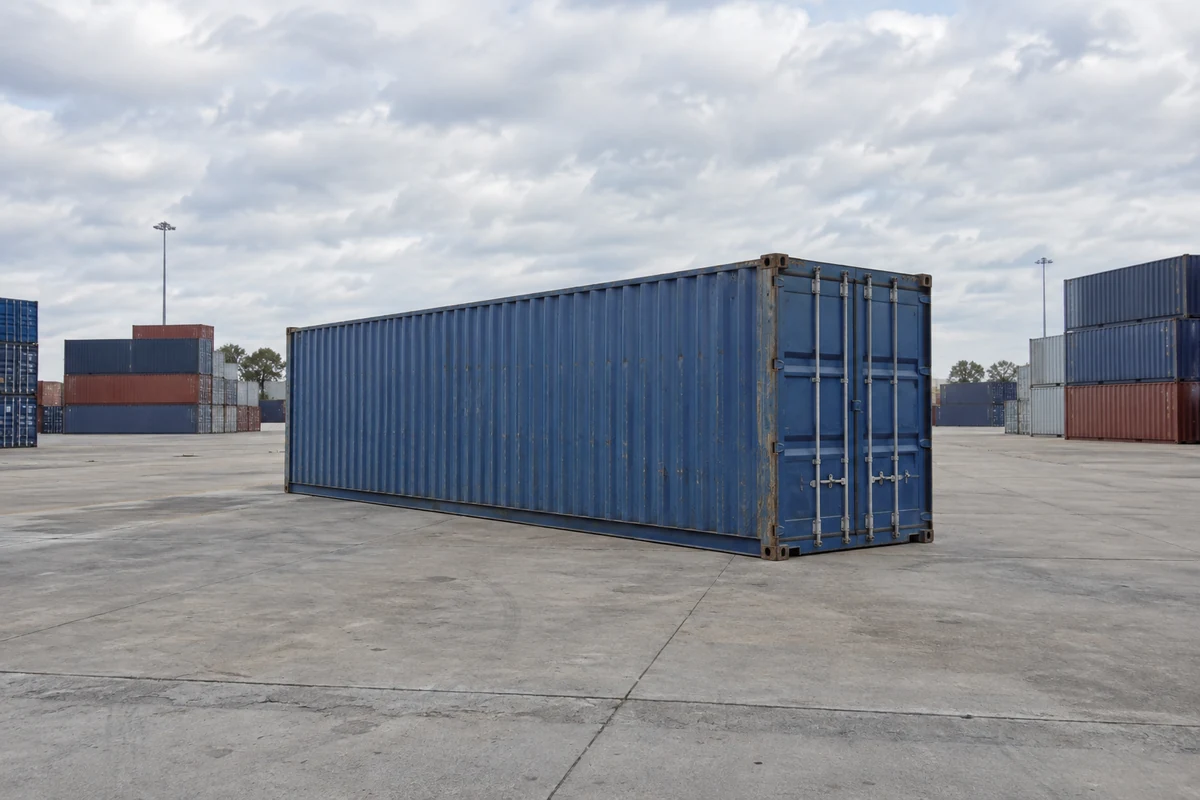
40ft standard container — used
- Used
From €1,975
Advertised price, checked 20 Oct 2026 · tax not stated · before delivery
Delivery quoted to your Eircode
Describe what you need for your container purchase in Ireland. Compare written quotes that include the same work.
40FT STANDARD HEIGHT / WIND & WATER TIGHT
Choose a standard-height 40ft wind and water tight (WWT) container when your main need is enclosed storage protected from rain entering through the shell or closed cargo doors. Compare the actual roof, walls, floor, seals and door operation. WWT is a storage condition; it does not establish readiness for an overseas shipment or control indoor humidity.
Standard height: 12.192 m (40ft) × 2.438 m (8ft) × 2.591 m (8ft 6in) exterior. Compare 40ft High Cube →
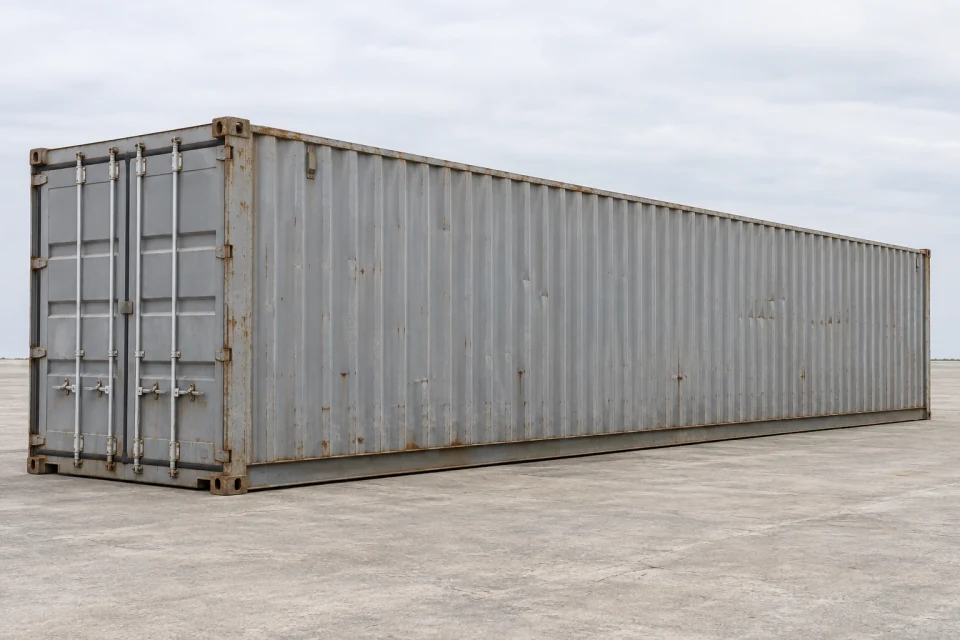
From €1,975
Advertised price, checked 20 Oct 2026 · tax not stated · before delivery
Delivery quoted to your Eircode
From €1,550
Advertised price, checked 16 Oct 2026 · ex. VAT · before delivery
Delivery quoted to your Eircode
Prices are examples advertised by sellers on the date shown, not ContainerPick offers. Stock, condition and the delivered total are confirmed in each quote.
The seller should define the condition in writing and identify the unit or explain how the final unit will be assigned. A general picture of a painted container cannot show that its roof, door seals or floor meet that description.
| Check | Evidence to compare |
|---|---|
| Roof and walls | Current photos of the full long body, seams, roof repairs and any holes or damaged panels; the seller’s leak-check method and result. |
| Cargo doors | Both leaves opening, closing and locking, with seals and locking hardware in serviceable condition. |
| Floor | Photos along the full length, including soft, broken or stained areas and previous panel replacements. |
| Assurance | The written condition criteria, exclusions and remedy if the delivered unit differs from the agreed description. |
Rain exclusion and condensation are different problems. Moist air inside a steel shell can condense on cooler surfaces even when the roof and doors do not leak. A WWT label does not provide a temperature or relative-humidity guarantee.
For paper goods, fabrics, electronics or other moisture-sensitive stock, define the storage conditions the goods need. Include the climate-control or moisture-management work in the project budget rather than assuming standard vents will provide it.
With cargo doors at one end, stock at the far end needs a clear route back to the entrance. Put regular supplies near the doors, allow a usable aisle and check any shelving dimensions before treating the full floor as storage capacity.
For land storage, compare weather sealing, floor condition, access and any repairs. If the unit will carry cargo in transport, compare the cargo-worthy option and establish the required inspection and current documents separately. Paint quality or a WWT label does not resolve that transport question.
Ask for the same grade, standard height, delivery Eircode and unloading method in every offer. Separate the unit price from transport, placement, taxes, repairs and the equipment needed for daily use.
| Cost item | Put in the same quote scope |
|---|---|
| Container | Standard-height 40ft WWT condition, door configuration, quantity and included fittings. |
| Work | Cleaning, identified floor or door repairs, locks, shelving and lighting where required. |
| Delivery | Origin, destination Eircode, unloading equipment, placement and site restrictions. |
| Terms | Condition assurance, exclusions, taxes, fees and a remedy for a unit that fails the agreed criteria. |
No. WWT describes storage weather sealing under the seller’s criteria. Cargo-worthy language concerns fitness for cargo transportation. Confirm the unit’s condition and any required examination or transport documents separately.
WWT addresses external water ingress. It does not actively control temperature, humidity or condensation, and it does not establish a clean cargo history. Match the storage environment to the goods.
Use current condition evidence. Surface finish alone does not establish whether seams leak, doors operate or the floor is serviceable.
Keep the format, condition, intended use and delivery requirements together when comparing supplier offers.
Prepare my Wind & water tight request →Choose the condition your project needs. The supplier confirms the actual unit, condition criteria and availability.
A less weathered finish
Compare handling marks, included fittings and the work a used shell would need.
Explore New / one-trip →For enclosed on-site storage
Establish sealing, floor and door condition. Plan moisture-sensitive storage separately.
You are viewing this conditionFor a cargo-transport project
Establish the unit inspection, current examination and documents required for the shipment.
Explore Cargo worthy →For an assessed repair project
Compare disclosed defects, handling and repair costs with a WWT alternative.
Explore As-is →Used appearances can overlap across grades. An illustration cannot establish watertightness, cargo suitability or the defects of an offered unit.
Ask for recent photos and a condition report for the actual unit. Product names such as 10ft, 20ft and 40ft are useful, but use actual metric measurements for access, foundations and usable space.
Use a delivery Eircode where available, plus the town, county, access photographs and proposed position. New or unassigned sites can be described by a full address and location instructions. Ask the operator to assess lane width, bends, overhead lines, ground support and HIAB or crane placement.
Compare itemised euro offers with applicable VAT, delivery, unloading and required site work visible. Supplier coverage, stock and appointment dates need confirmation for the actual location.