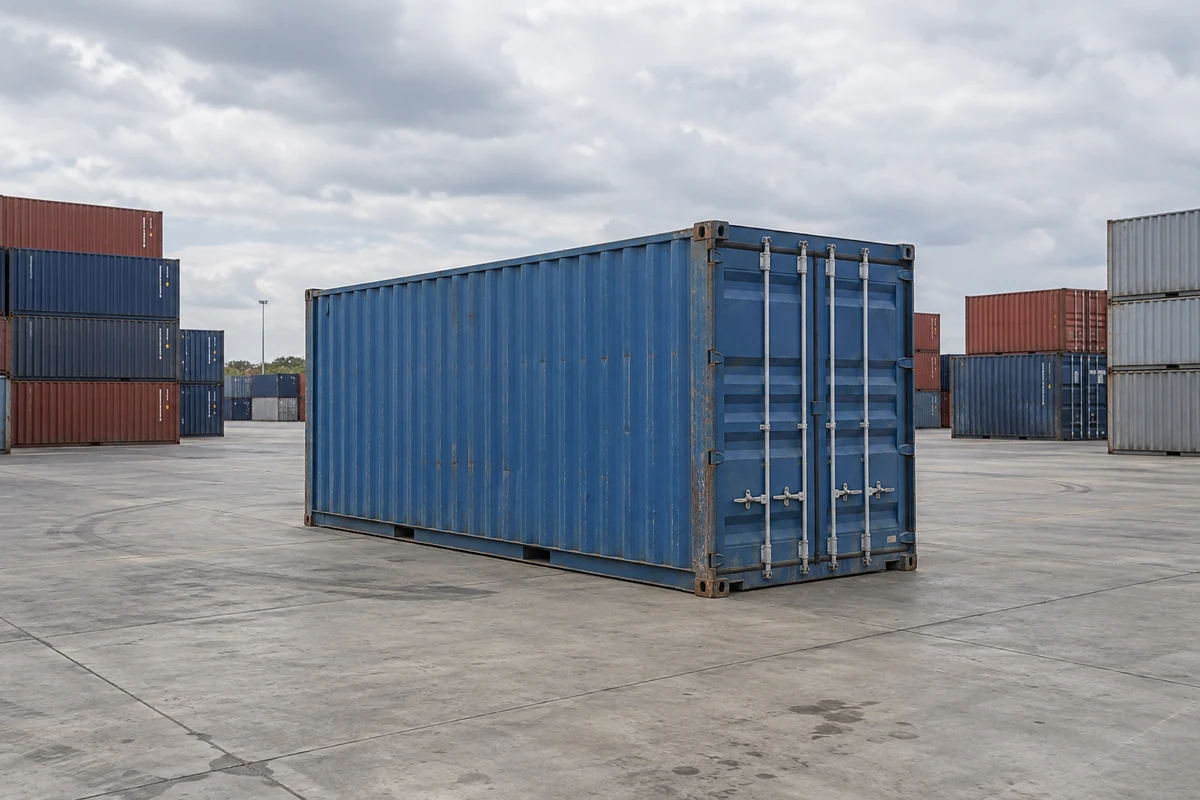
20ft standard container — used
- Used
From R25,000
Advertised price, checked 16 Oct 2026 · ex. VAT · before delivery
Delivery quoted to your postal code
Compare offers from multiple suppliers. Find the right price for your project.
A compact footprint for storage, inventory or your next conversion. Compare condition, check what fits and plan the full delivered cost before you buy.
From R25,000
Advertised price, checked 16 Oct 2026 · ex. VAT · before delivery
Delivery quoted to your postal code
From R43,000
Advertised price, checked 16 Oct 2026 · ex. VAT · before delivery
Delivery quoted to your postal code
Price on request
Delivery quoted to your postal code
Price on request
Delivery quoted to your postal code
Price on request
Delivery quoted to your postal code
Price on request
Delivery quoted to your postal code
Prices are examples advertised by sellers on the date shown, not ContainerPick offers. Stock, condition and the delivered total are confirmed in each quote.
When a 6m (20ft) unit will house a business run from home, a land use scheme can treat it differently from household storage. Johannesburg’s Land Use Scheme 2018, as amended 2025 and in operation since 1 July 2026, permits a home enterprise in a container only with the Council’s written consent, applied for with a plan showing the container’s nature, size and position. That consent may be made subject to a building plan.
A spaza or house shop on a residential erf in Johannesburg also needs written consent. Neighbours must be notified and have 28 days to object, the shop must trade from a fixed structure with approved building plans, which may include a container, and the Council will not grant more than 36 m². In a sectional-title complex or a homeowners’ association estate, the body corporate or HOA must approve either use as well.
Cape Town’s building development management issues permits for smaller works, citing swimming pools and small wendy houses as examples, alongside standard building plan approvals. Ask whether a 6m storage unit on your erf can be handled that way, and get a zoning certificate to confirm what the zoning allows before ordering.
| Container | Advertised price | Details |
|---|---|---|
| 6m (20ft) used | R25,000–R29,000 | ex. VAT · checked 16 Oct 2026 |
| 6m (20ft) new / one-trip | R43,000 | ex. VAT · checked 16 Oct 2026 |
Sources: City of Johannesburg Land Use Scheme 2018 (as amended 2025), cover and promulgation notice (checked 20 Oct 2026); City of Johannesburg Land Use Scheme 2018 (as amended 2025), clause 20 (checked 20 Oct 2026); City of Johannesburg Land Use Scheme 2018 (as amended 2025), clause 19 (checked 20 Oct 2026); City of Cape Town, Development Management FAQs (checked 20 Oct 2026).
Compare the finish, buying budget and checks that matter to your project.
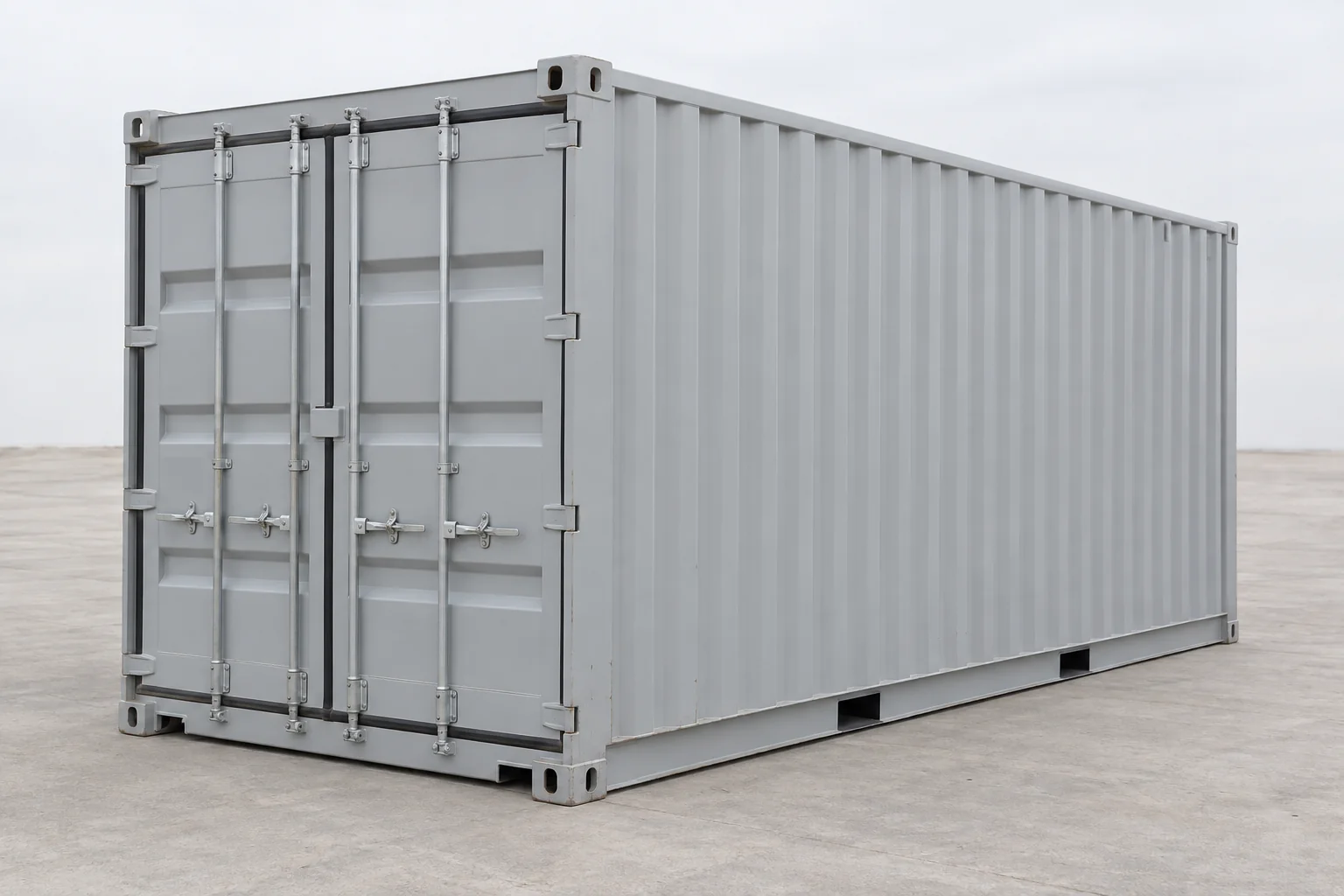
A cleaner finish, with less visible wear. Check the included features and any handling marks.
Explore 6m (20ft) new / one-trip →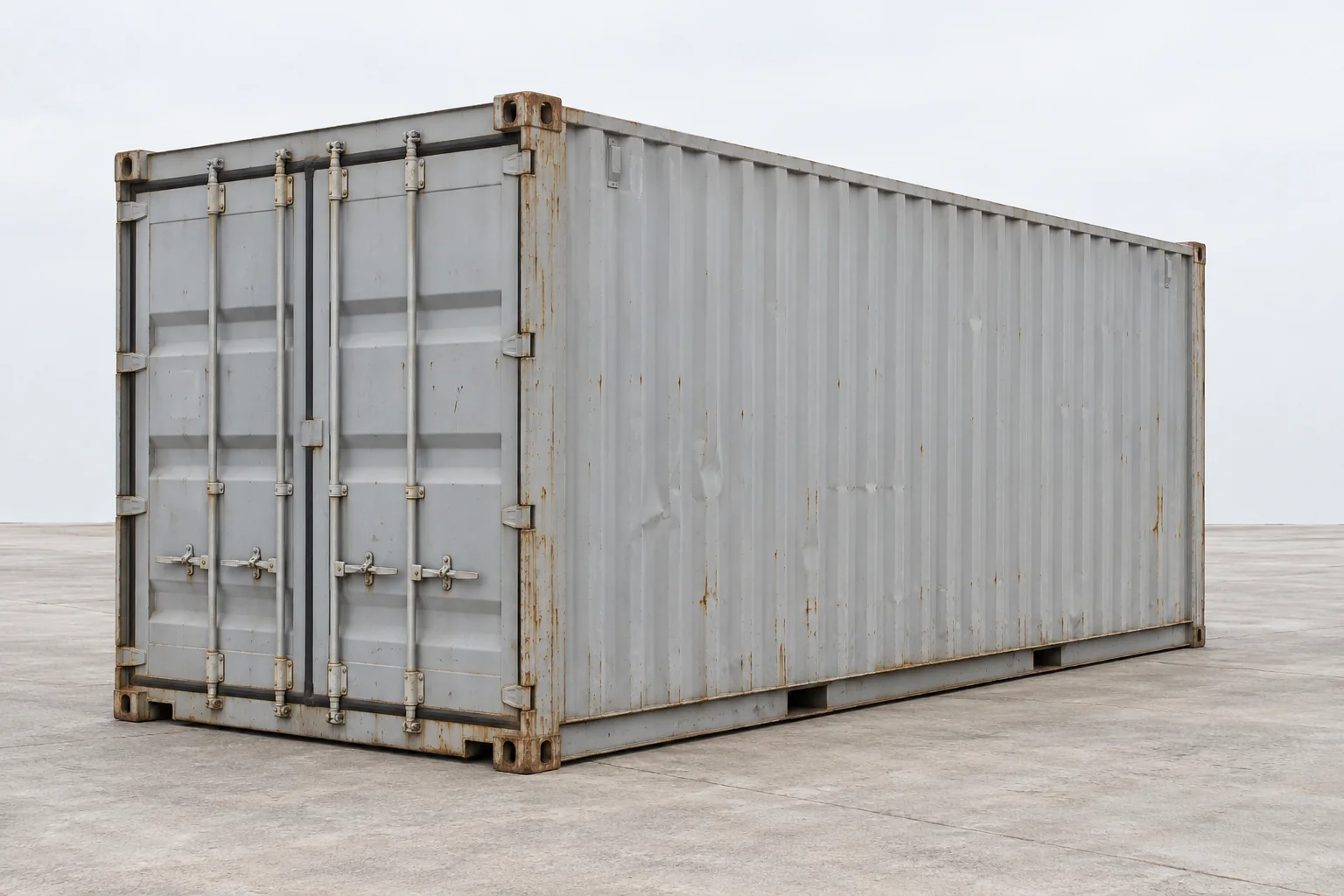
Compare storage and cargo-worthy options. Check the actual floor, doors, repairs and weather sealing.
Explore 6m (20ft) used →Used means the container has been used before. Check its grade and condition records to see whether it suits your plans.
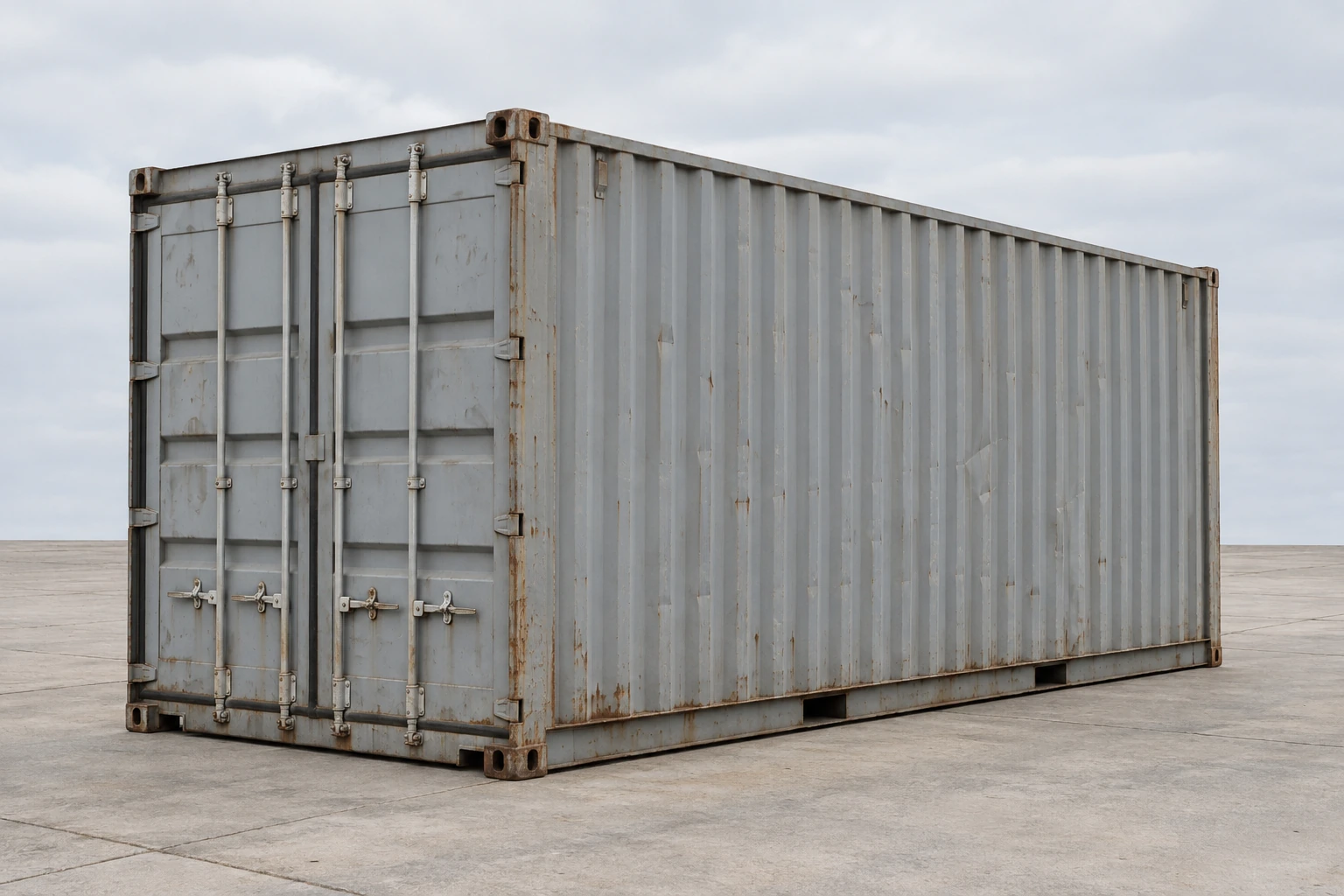
For storage: compare weather sealing, floor condition and working doors. A WWT label does not establish approval for ocean shipping.
Explore wind & watertight →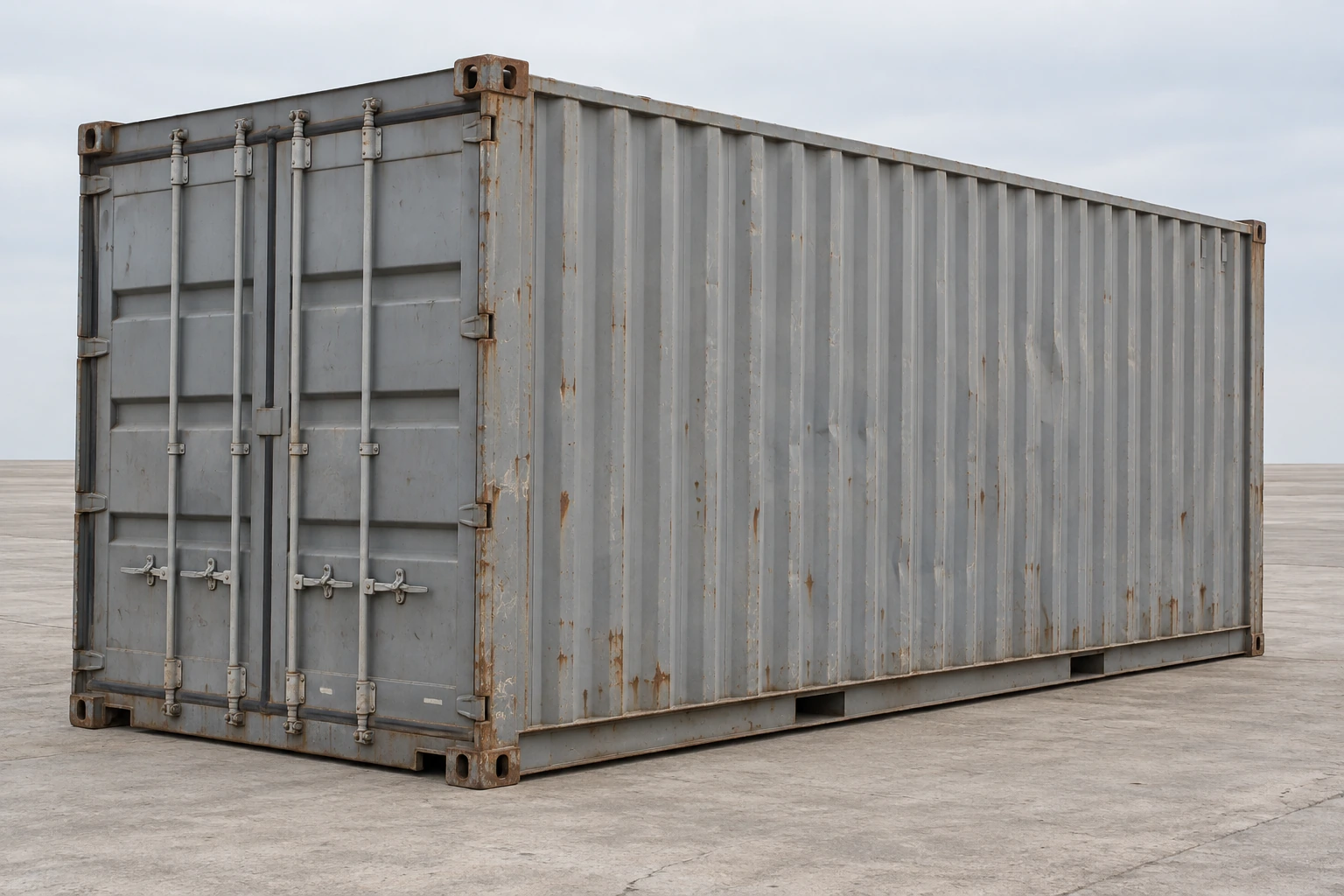
For a transport project: compare the actual inspection, CSC examination records and acceptance by your intended carrier.
Explore cargo-worthy →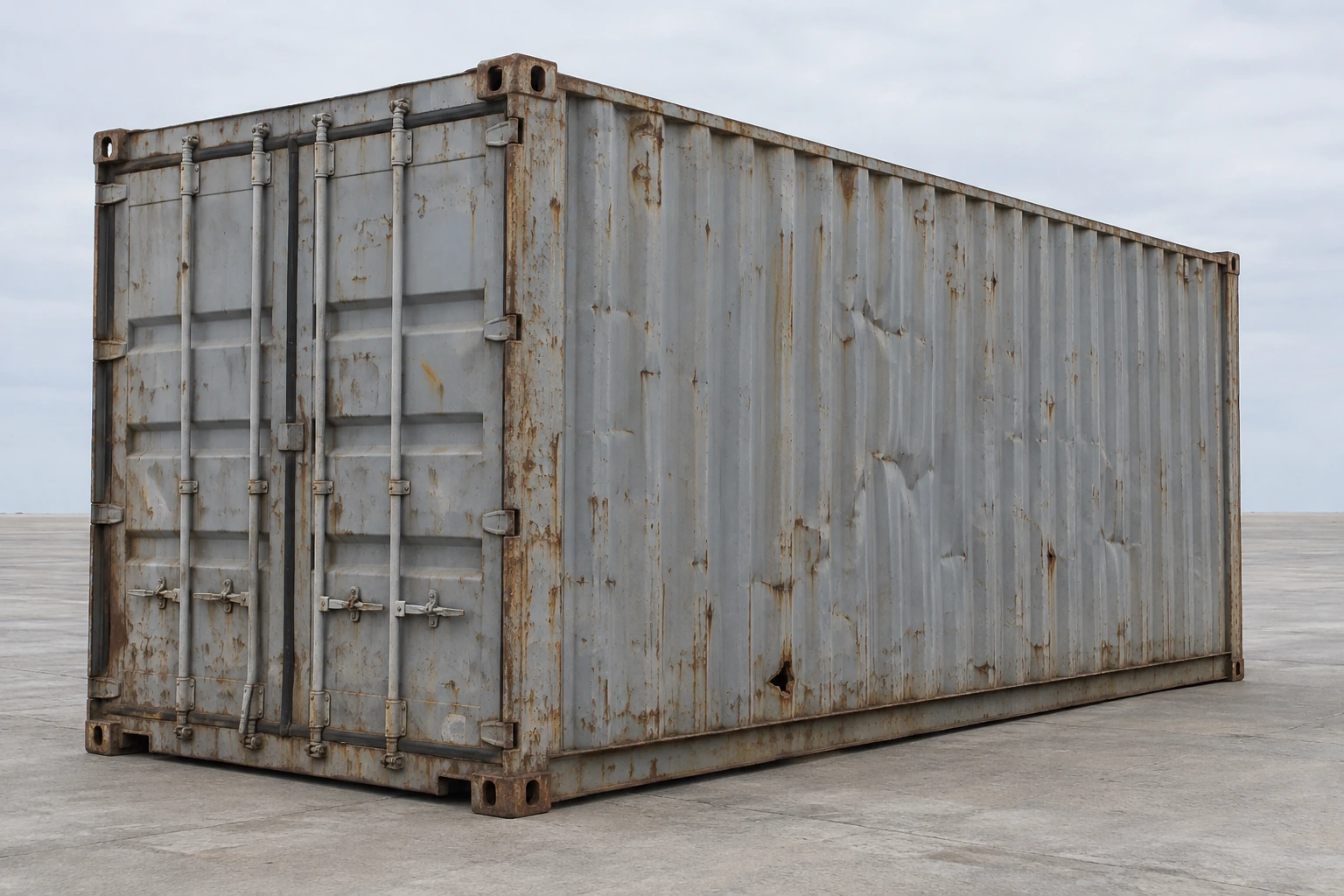
For a repair project: identify the defects and price the work before comparing the complete cost with a usable container.
Explore as-is →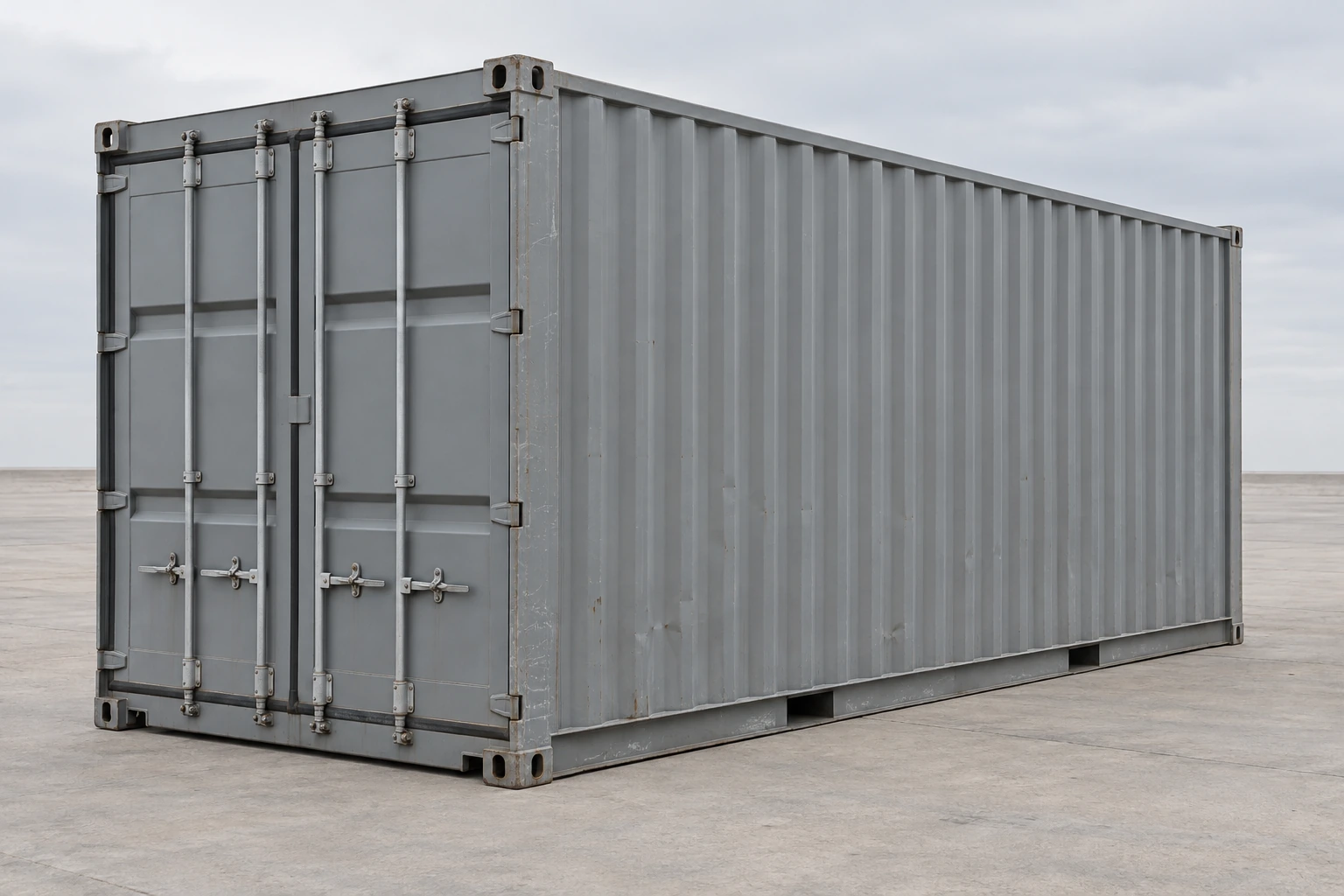
Compare an offer described as lightly used with one-trip. Confirm the actual history and finish; the label is defined by the seller.
Explore multi-trip / limited use →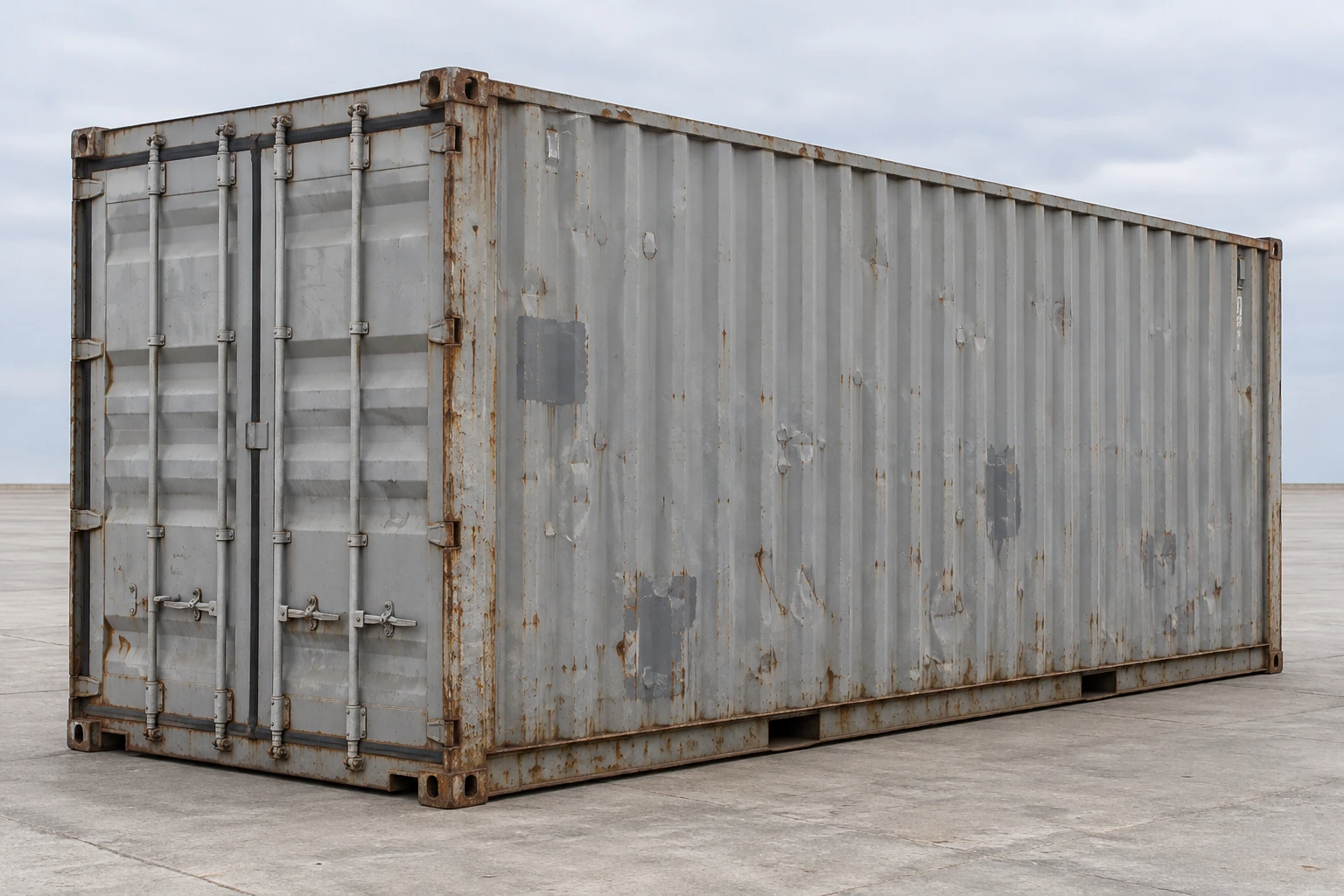
Compare budget storage offers by the defects accepted and the protection included. Economy does not automatically mean WWT or as-is.
Explore economy grade →Compare the floor surface, wall wear and visible repairs, then request close-up photos of the actual unit.
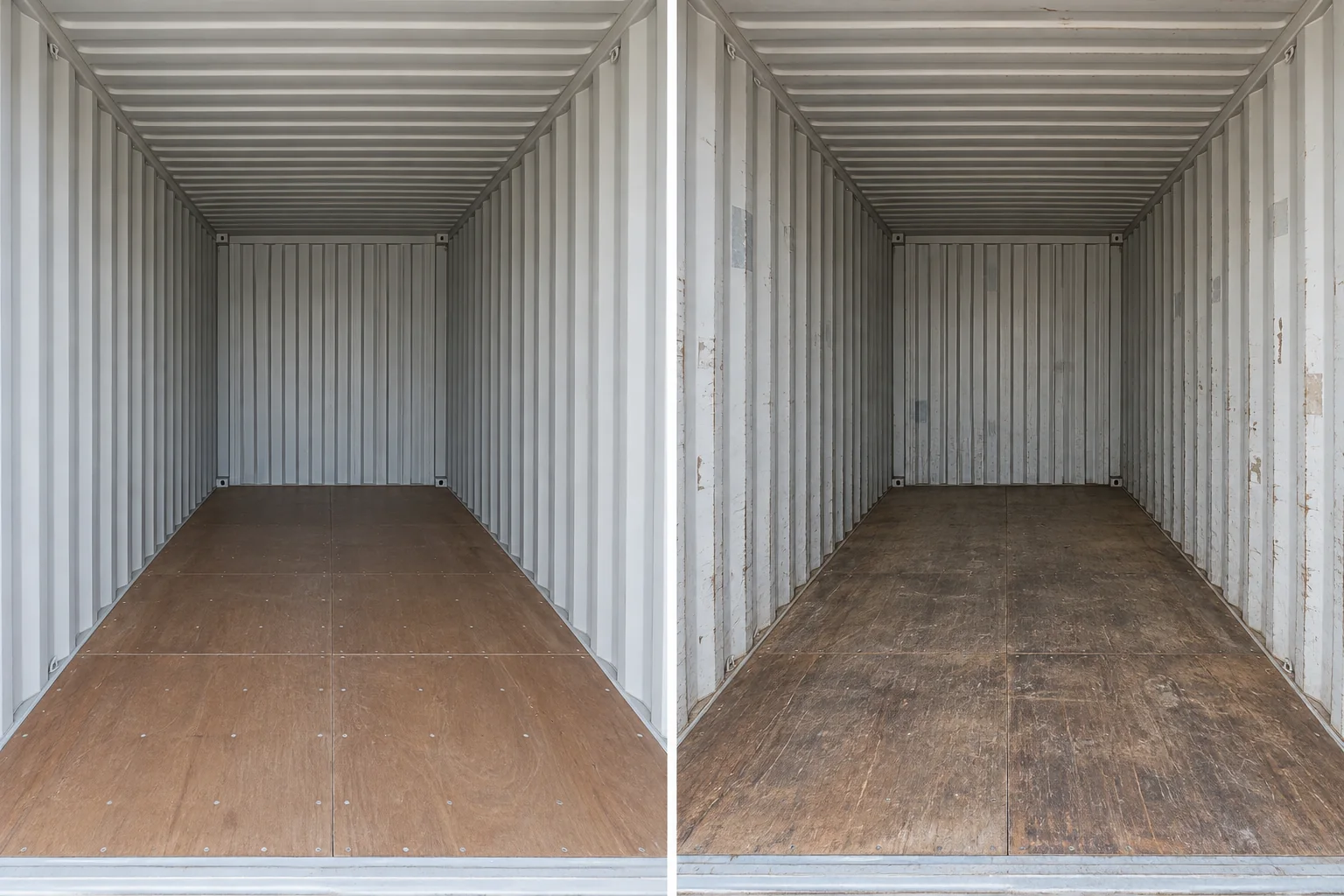
Illustrative appearances. Paint and rust alone do not establish weather-tightness or suitability for shipping.
Choose the space, access and finish your project needs.
Plan shelving and an aisle before filling the floor. Check the floor, seals and door operation on the actual unit.
Use the buying checklist ↗Measure packed goods and pallets, including how you will move them through the doors. Reserve access to items at the back.
See interior dimensions ↗Keep tools near the work area. Plan a firm placement spot, door clearance and truck access as the site changes.
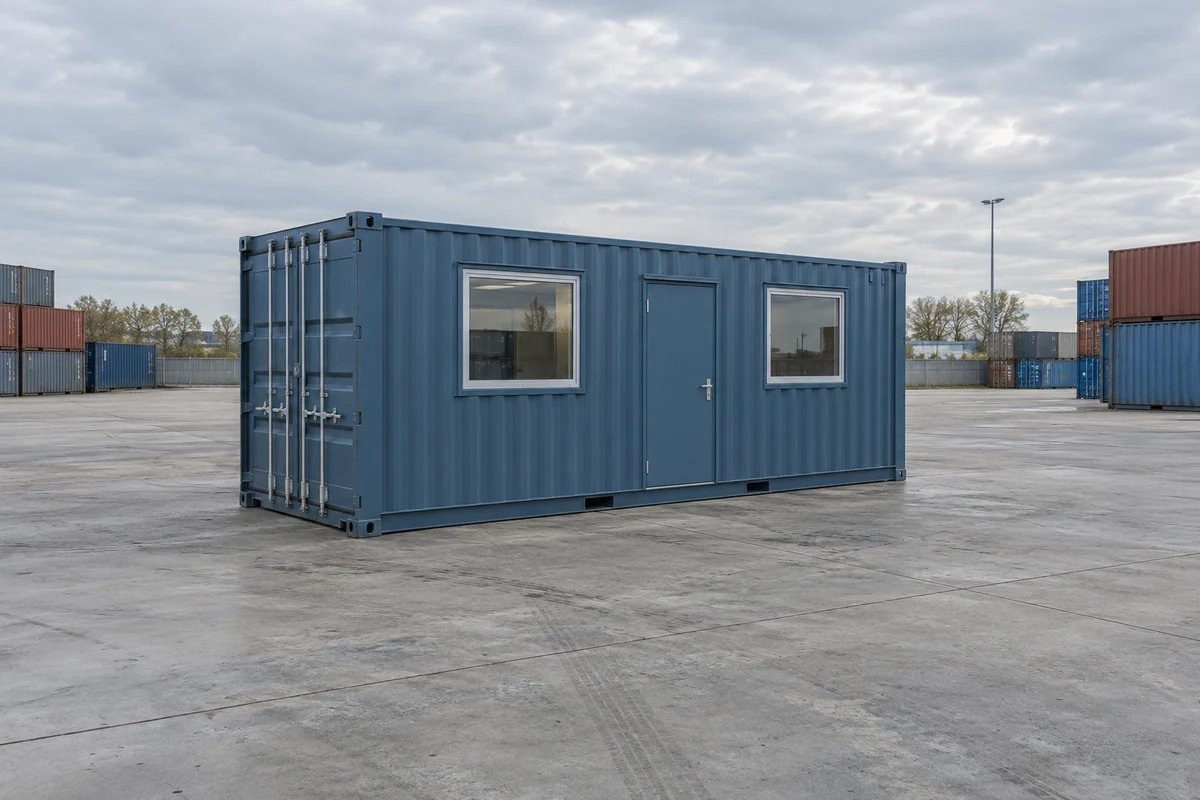
Plan your site ↗A workspace needs insulation, ventilation, power and comfortable access. Allow for the interior space taken by the fit-out.
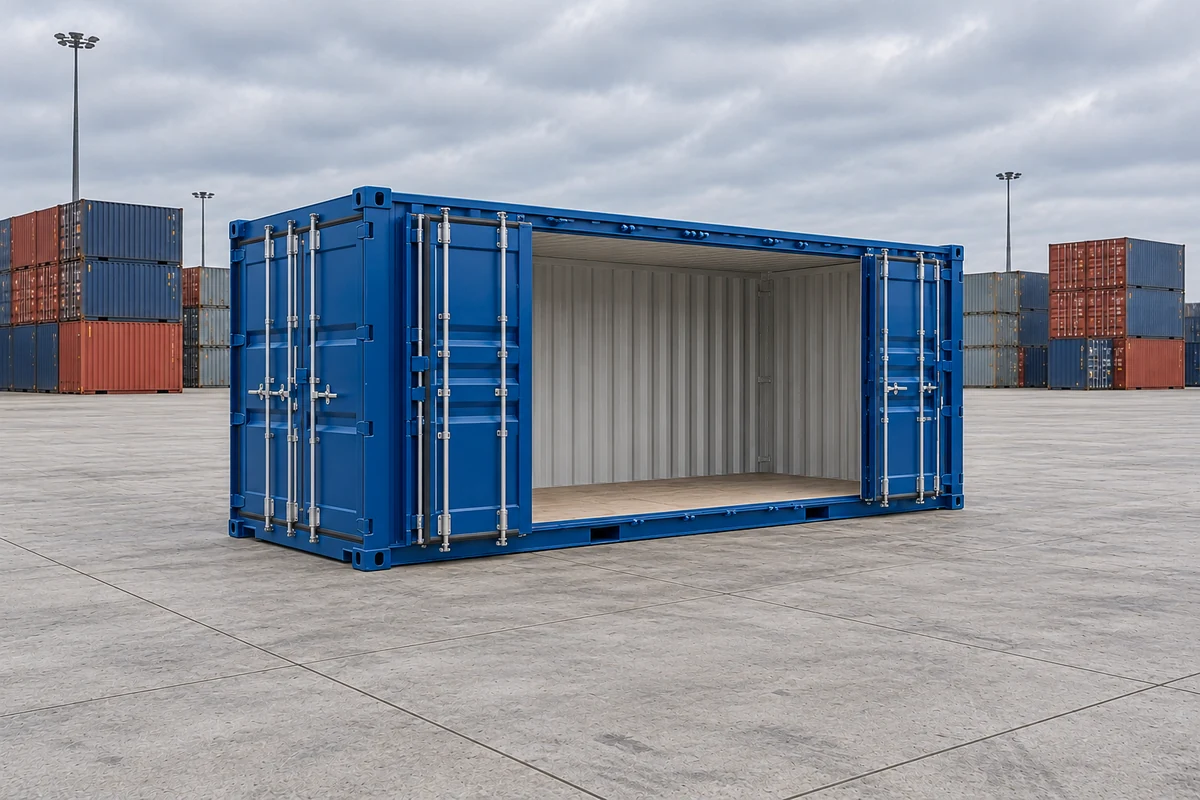
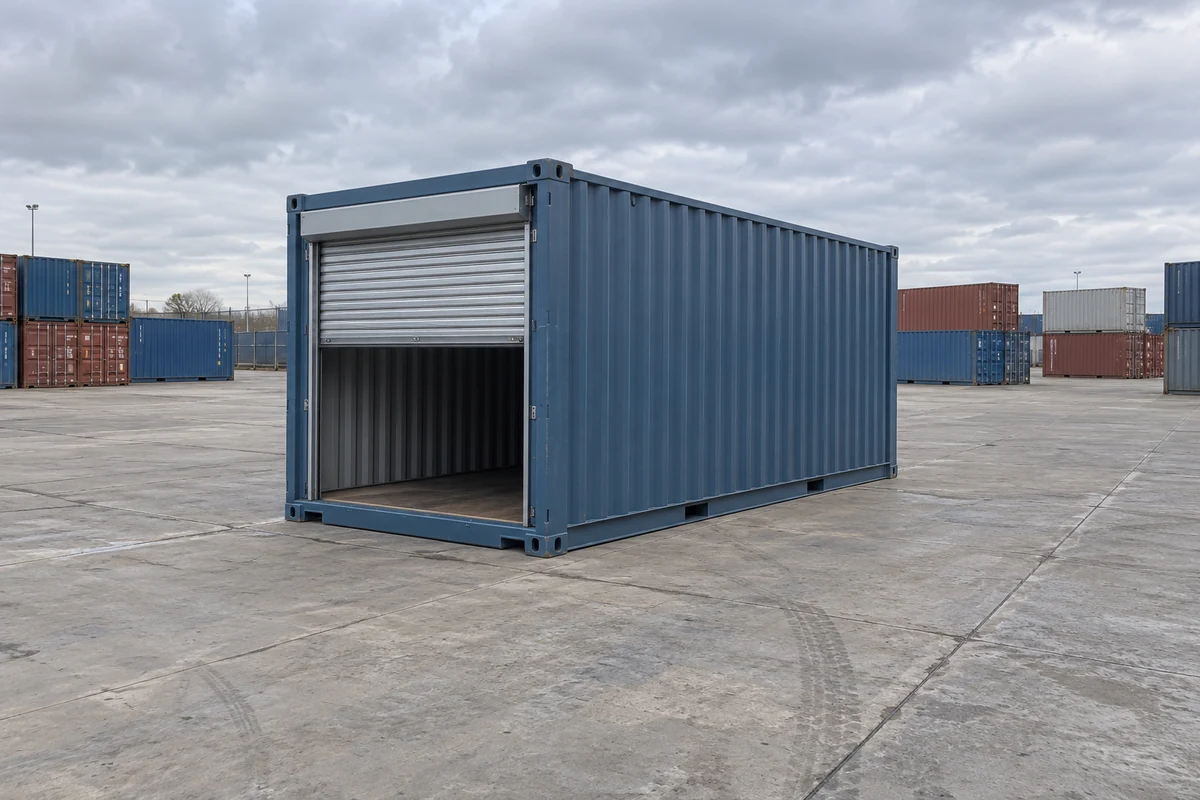
Explore site offices ↗A roll-up opening can change how you reach equipment. Its clear opening and structural work need to match your use.
Compare roll-up access ↗A container is the shell. Plan the layout, structure, utilities and local approval requirements before buying it.
Explore container homes ↗Prices advertised by a named seller for one standard 6m (20ft) container, ex. VAT and before delivery.
Two advertised listings, ex. VAT
Standard 6m (20ft) used dry container, before delivery.
Prepare a used-container request →Advertised price, ex. VAT
Standard 6m (20ft) new / one-trip dry container, before delivery.
Prepare a one-trip request →Ask your supplier to confirm the container condition, door configuration, included fittings, delivery, unloading, any repairs and quote validity in writing.
A lower listing price can still mean a higher delivered total.Compare the same condition, address and offloading scope.
Prepare my price request →Condition affects appearance, repairs and the evidence you should request.
In South African listings, “new” often means a container that has carried cargo once from the manufacturing country. Small dents or handling marks can still be present.
WWT describes a used container offered as keeping wind and water out. Dents, worn paint, surface rust and repairs can still be part of the condition.
Cargo worthy refers to suitability for cargo transport, rather than a cosmetic grade. The label alone does not prove a current examination or carrier acceptance.
Do not treat “last-trip” as a standardised South African condition grade. Ask whether the seller means the last cargo movement before resale, a final permitted voyage or a unit being retired from service. Confirm its actual condition and intended use separately.
Only if you understand the defects and repair scope. “As-is” may describe a damaged condition category or the terms of a used sale. Request a written defect list, photos and any promised repairs; do not assume it is watertight.
The floor area and the door opening answer different questions. Measure both.
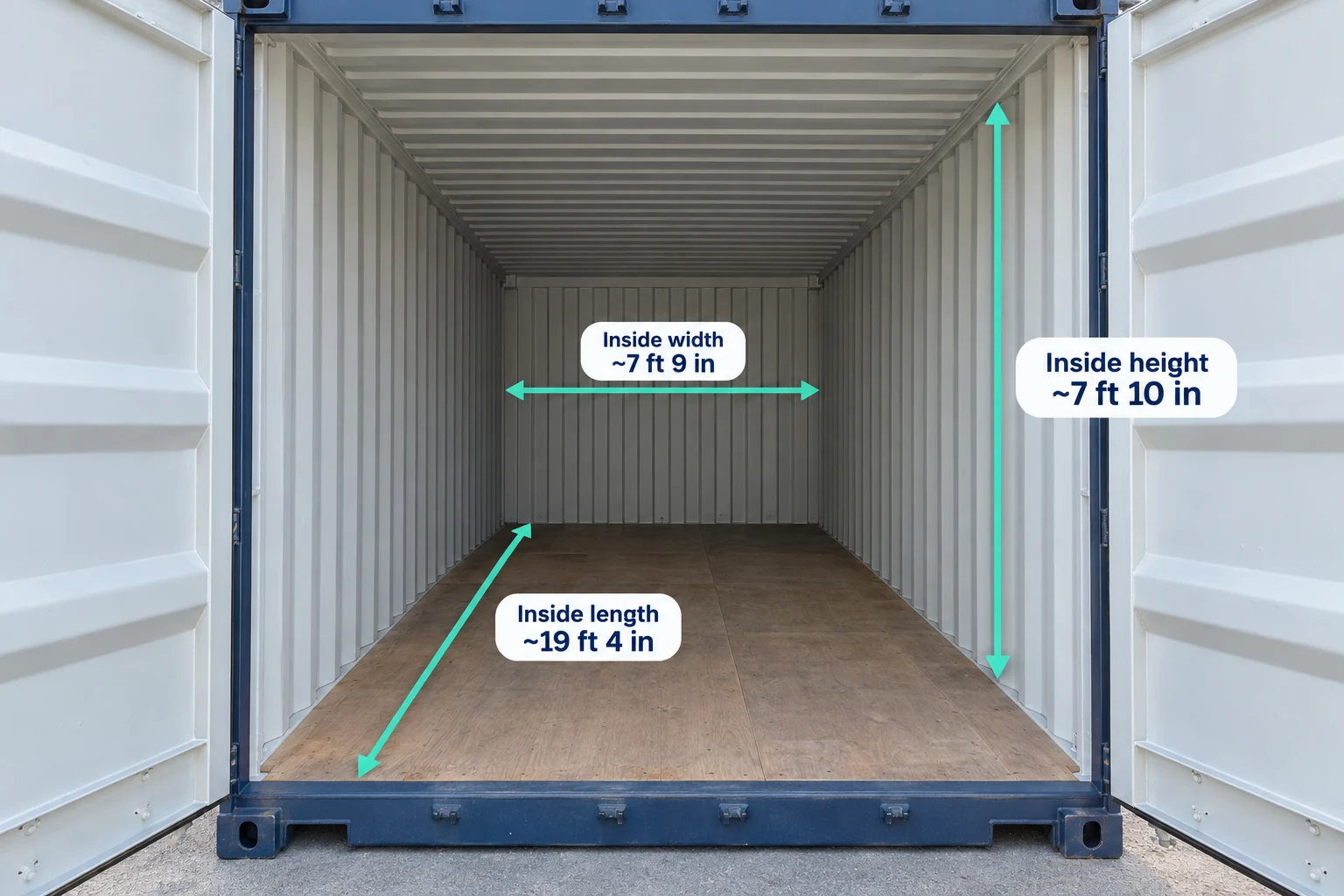
Representative standard-height dimensions. Interior and door measurements vary by manufacturer and unit; confirm the container offered to you.
The door is smaller than the room.Check your largest item with its pallet, packaging and handling equipment.
Floor area is not all usable storage once you add shelving and access.
A dry steel box does not control indoor temperature or humidity.
Ask for the actual unit’s payload and concentrated floor-load limits.
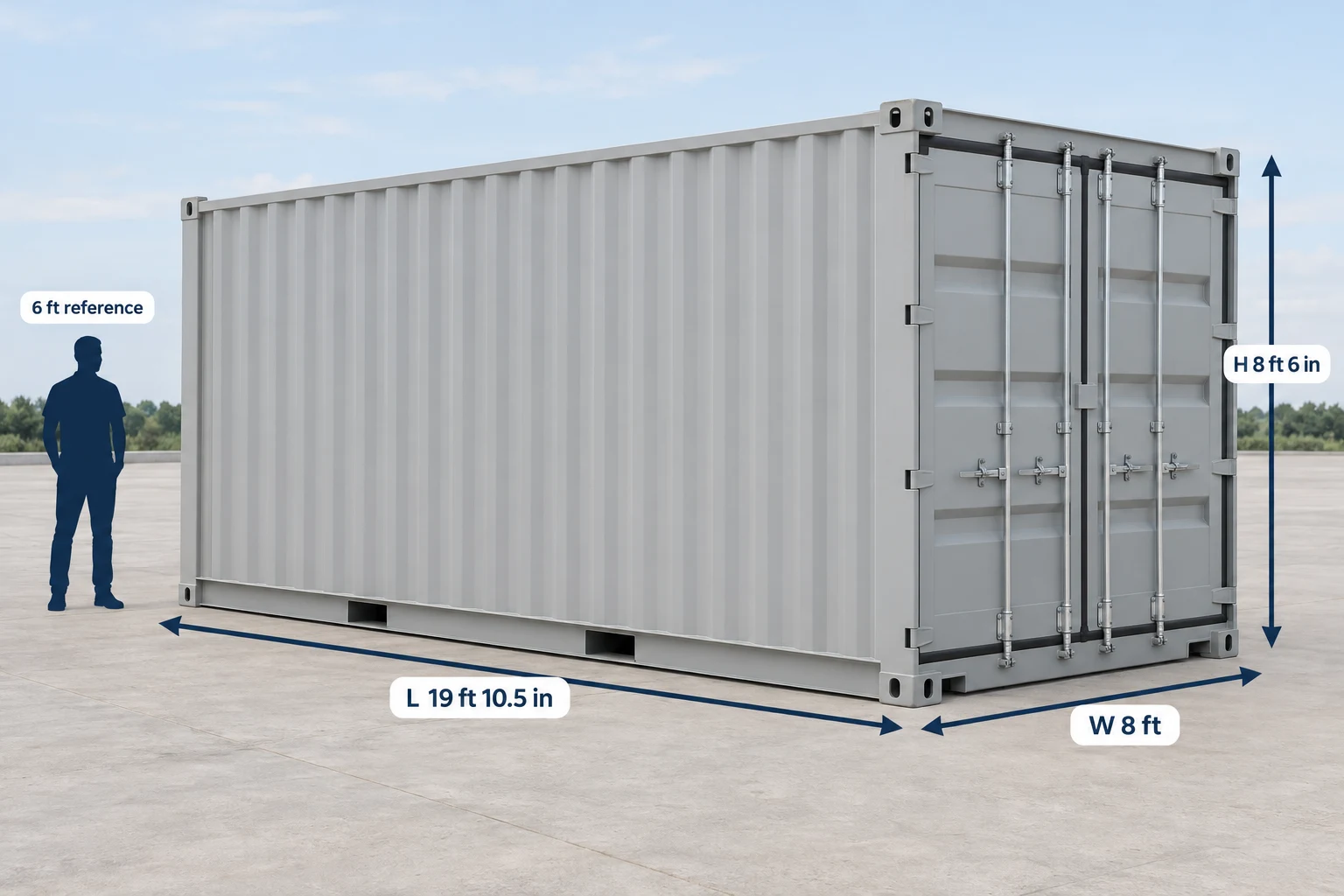
Both standard formats are nominally 2.438 m (8ft) wide and 2.591 m (8ft 6in) high. The main difference is length.

Useful when the placement area is limited and your storage list fits roughly 13.88 m² (149.4 sq ft) of bare floor.
Build my 6m (20ft) request →More room for longer items or a larger storage layout, with roughly 28.3 m² (305 sq ft) of bare floor. Check the longer delivery vehicle’s access.
Explore 12m (40ft) shipping containers →Send the delivery postal code and access photos before agreeing to a delivered quote.
Share gate width, turns, slopes and overhead obstructions. The transporter needs space beyond the container’s footprint.
Tilt-bed delivery slides the unit off. Flatbed delivery needs separate lifting equipment. Agree who provides it.
Prepare a firm, level support plan suited to the ground and intended loads. Confirm it before the truck arrives.
Mark the exact spot and which end should face the access area. Leave room to swing the doors and load your items.
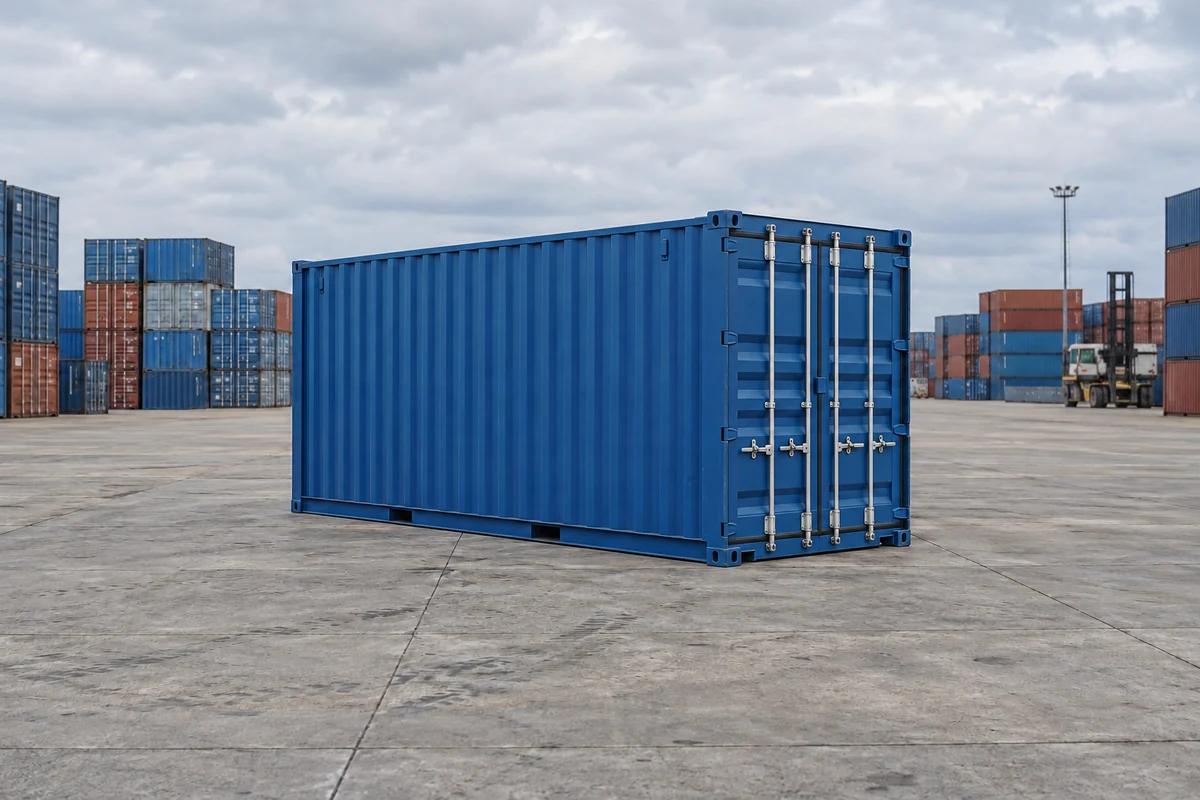
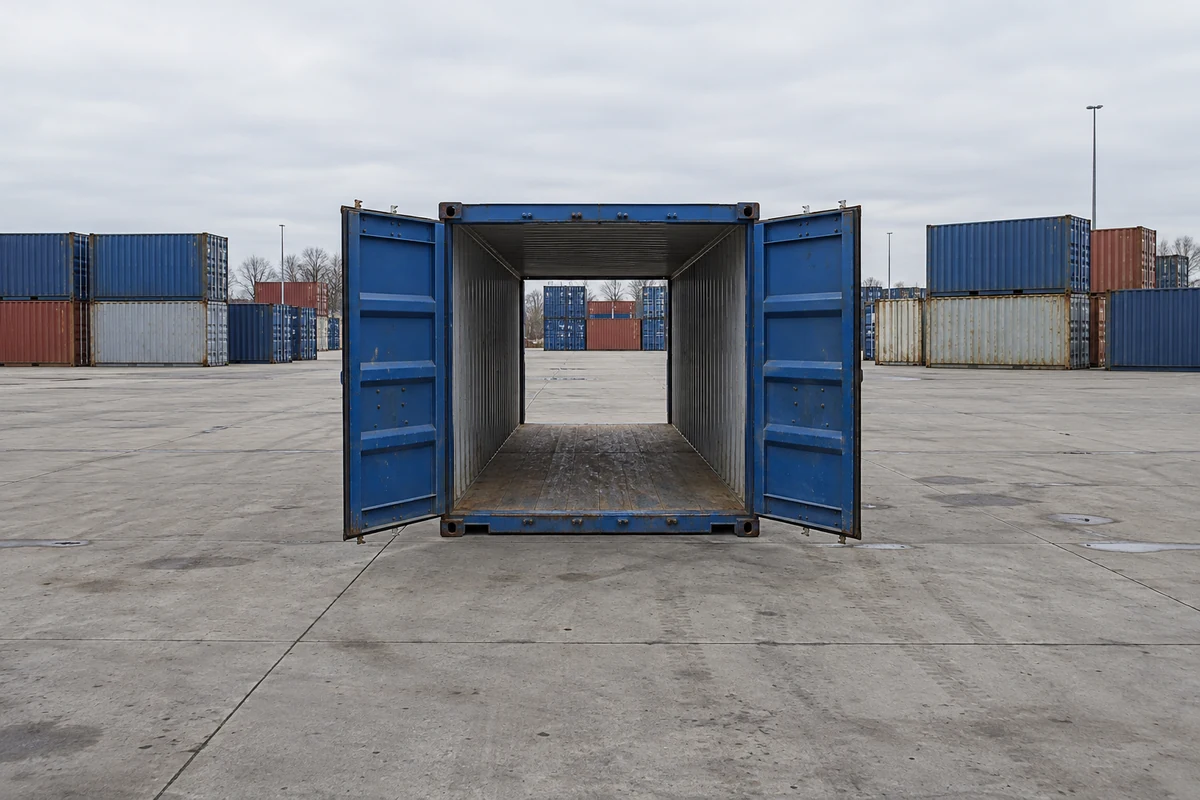
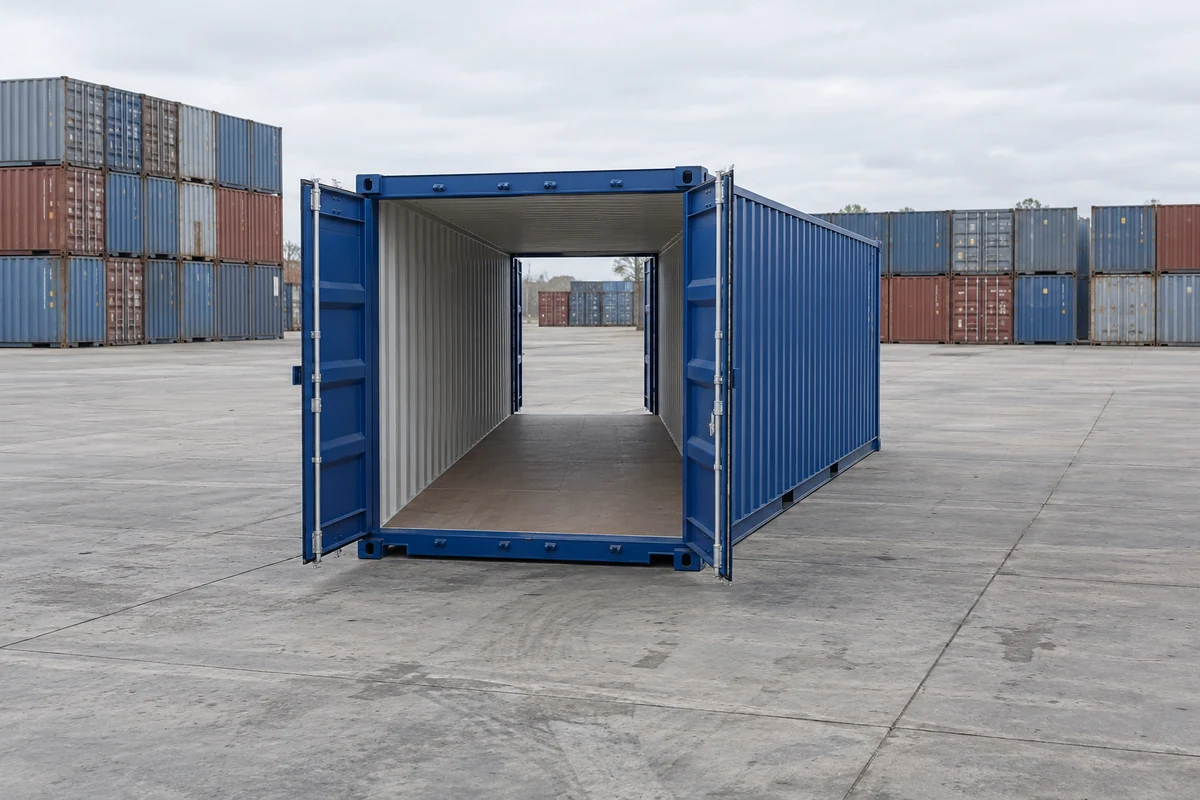
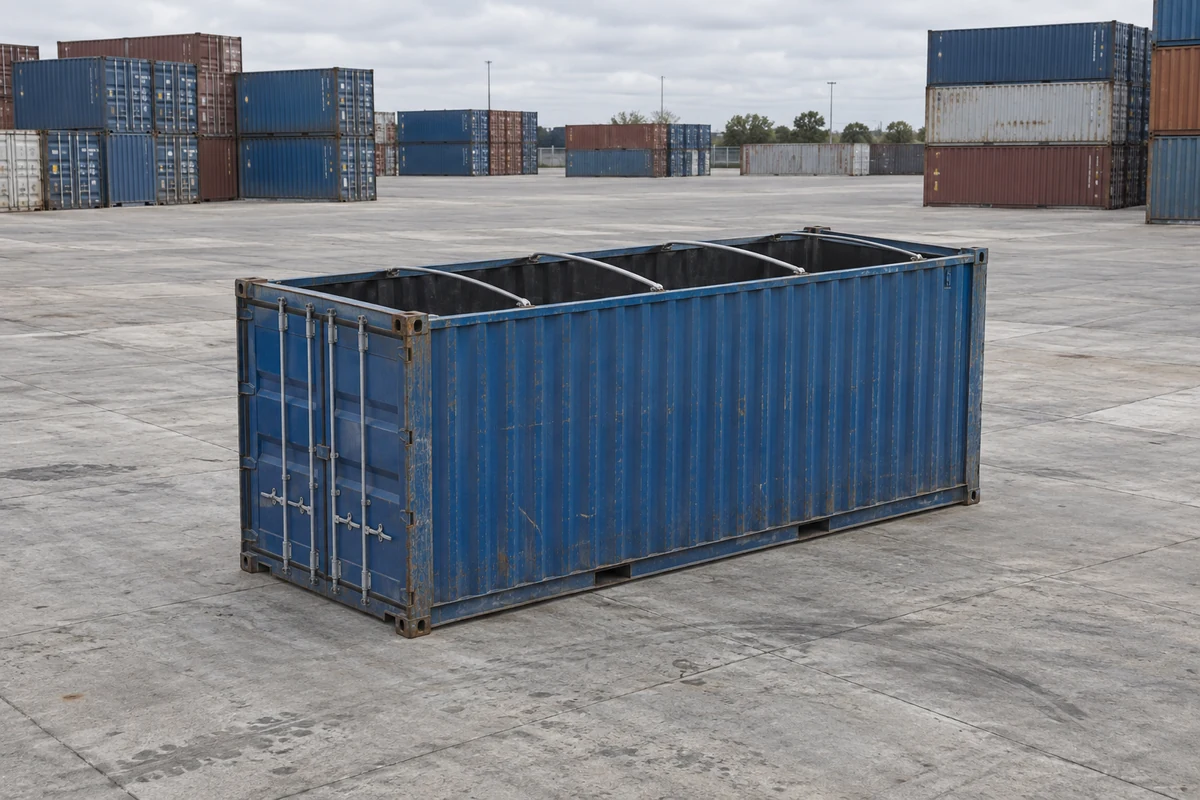
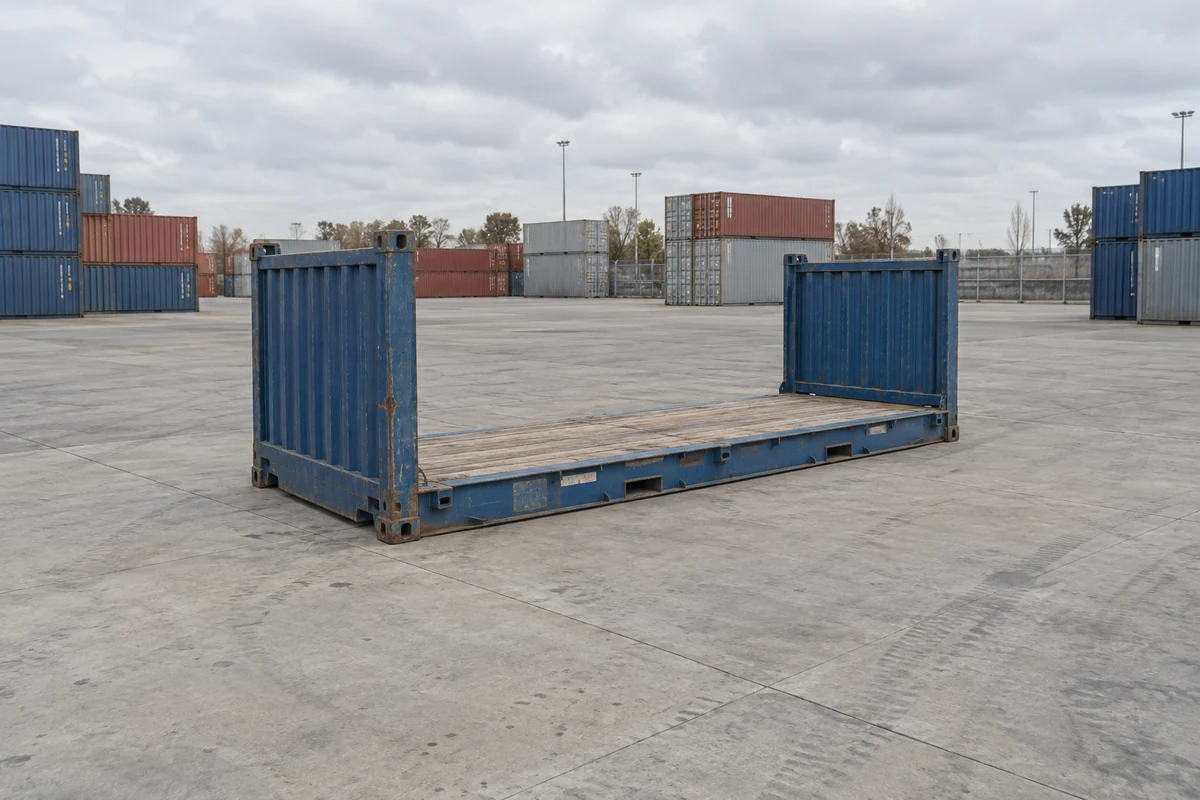
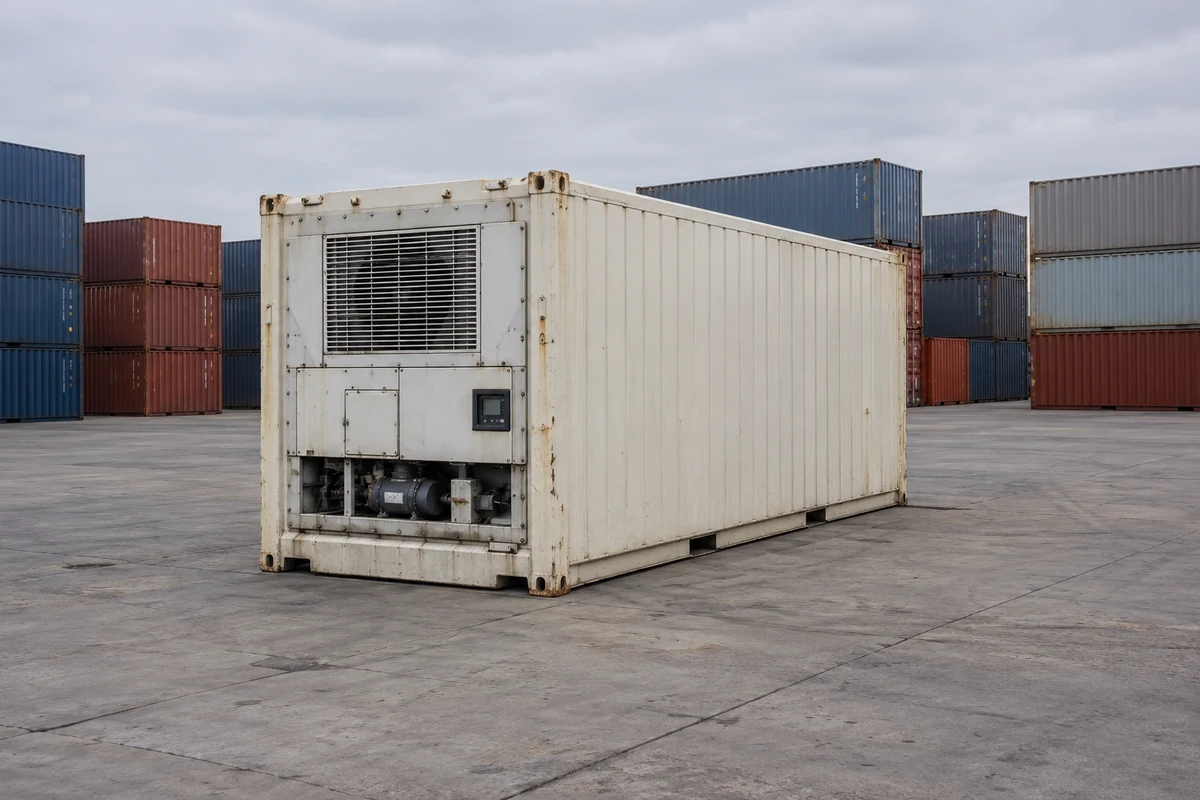
The images on this page are illustrations. Before buying, request current photos of the specific unit or confirm how the seller selects it. Put any colour or appearance requirement in the order.
A standard dry container does not actively control temperature or humidity. Explain what you will store so you can assess ventilation, condensation management, insulation or refrigerated equipment.
Check with the local authority for your address and intended use before delivery. Storage, an occupied workspace and a dwelling can have different requirements; buying the container does not establish approval.
Have the supplier confirm the unit, delivery date, offloading method and site access together. A container listing alone does not confirm availability for your postal code.
Put the size, condition and site details in one clear request.