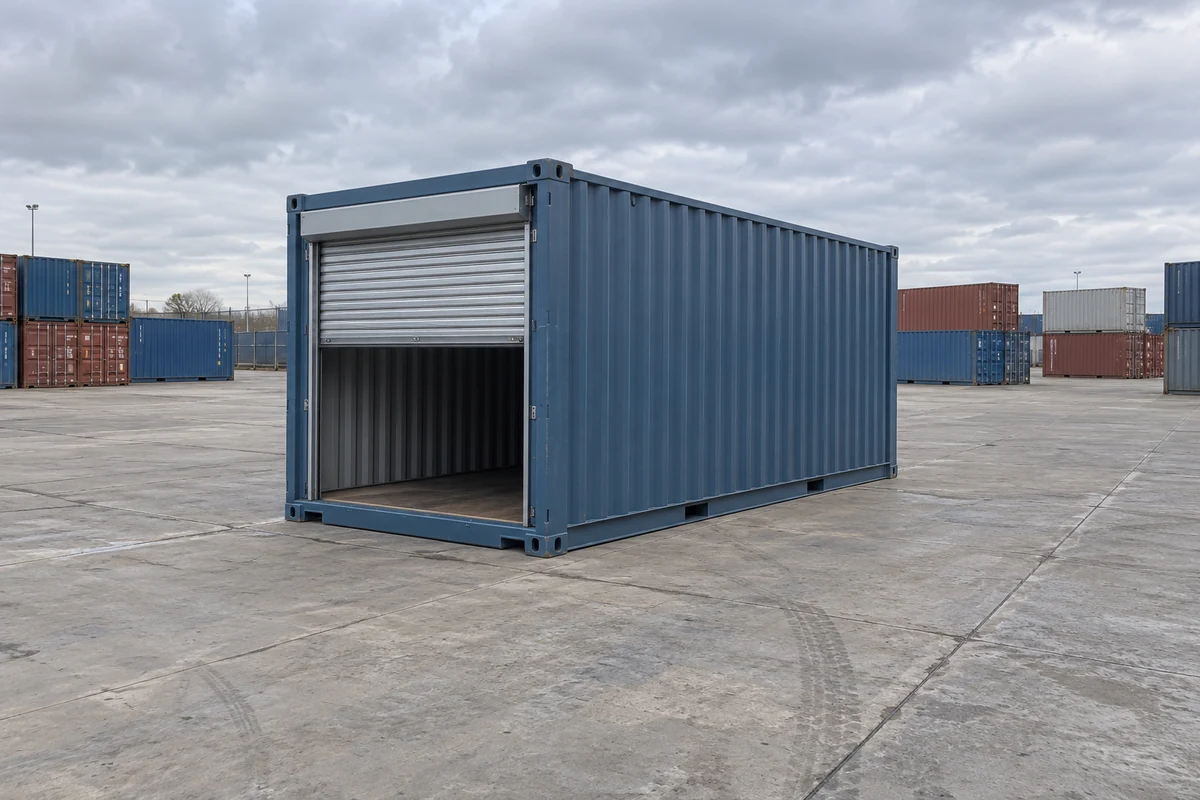
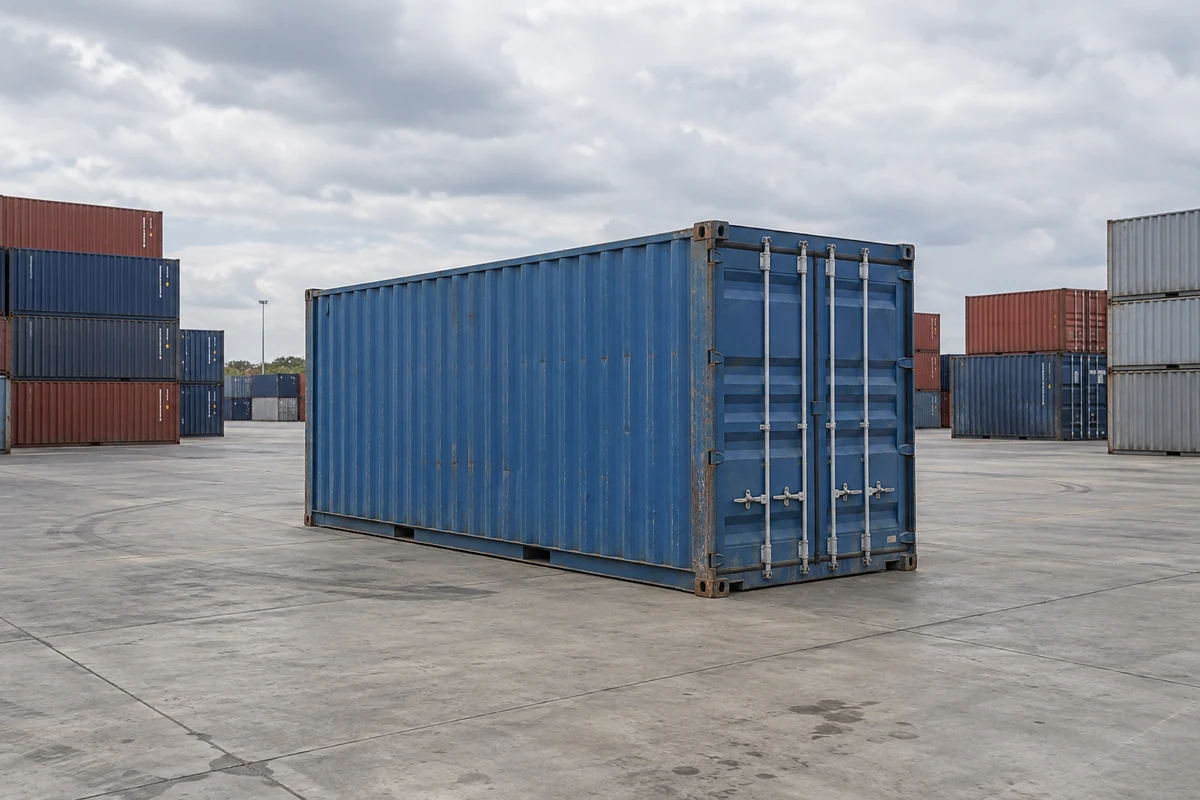
20ft standard container — used
- Used
From A$2,050
Advertised price, checked 16 Oct 2026 · ex. GST · before delivery
Delivery quoted to your postcode
Prepare your Australian container request. Find the right price for your project.
A compact footprint for storage, inventory or your next conversion. Compare condition, check what fits and plan the full delivered cost before you buy.
From A$2,050
Advertised price, checked 16 Oct 2026 · ex. GST · before delivery
Delivery quoted to your postcode
From A$3,050
Advertised price, checked 16 Oct 2026 · ex. GST · before delivery
Delivery quoted to your postcode
Price on request
Delivery quoted to your postcode
Price on request
Delivery quoted to your postcode
From A$9,400
Advertised price, checked 16 Oct 2026 · ex. GST · before delivery
Delivery quoted to your postcode
From A$14,000
Advertised price, checked 16 Oct 2026 · tax not stated · before delivery
Delivery quoted to your postcode
Price on request
Delivery quoted to your postcode
Prices are examples advertised by sellers on the date shown, not ContainerPick offers. Stock, condition and the delivered total are confirmed in each quote.
A 20ft fits on a rigid tilt-tray truck: the tray tips and the box slides off the tail as the truck eases forward, so the driver needs a straight, firm run lined up with the spot. With a tilt-tray, door direction is set when the box is loaded at the depot, so say which way the doors should face.
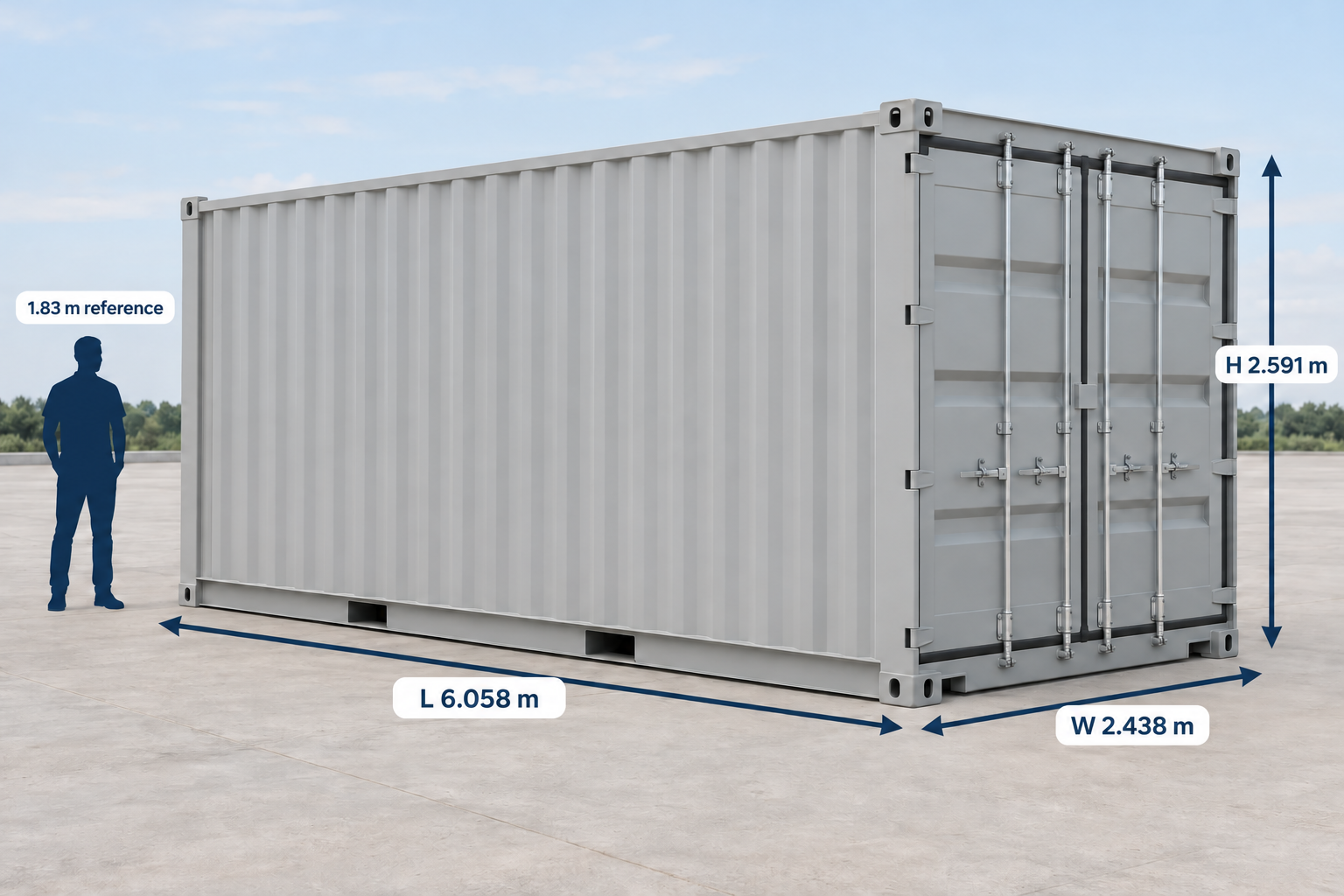
Size matters in Queensland. The Building Regulation 2021's general accepted-work rule for class 10 structures stops at 10 m² of plan area, 2.4 m in height and 5 m along any side. A 20ft, about 6.06 × 2.44 m and 2.59 m tall, exceeds all three, and councils such as Western Downs class a container kept on site as a class 10a building, so expect a building certifier. One exception is farmland, where Schedule 2 accepts class 10 work with no part within 200 m of a road or boundary.
The Northern Territory's Building Note 114 (August 2025) lists affixed shipping containers among enclosed storage structures needing no building permit, but only under 15 m², no taller than 2.5 m and for non-commercial storage: a standard-height 20ft meets the area limit and misses the height.
Tasmania's Director's Determination makes a shipping container low-risk work, with no permit or council notification, when it is one high, on the ground or a pad no higher than 300 mm so it can be tied down, and not a habitable room. Bushfire, landslip, coastal or flood-prone land makes it notifiable, and planning approval can still apply.
| Container | Advertised price | Details |
|---|---|---|
| 20ft used | A$2,050–A$3,100 | ex. GST · checked 16 Oct 2026 |
| 20ft new / one-trip | A$3,050–A$3,500 | ex. GST · checked 16 Oct 2026 |
Sources: Queensland Building Regulation 2021, Schedule 1 s 13 (checked 20 Oct 2026); Queensland Building Regulation 2021, Schedule 2 s 4 (checked 20 Oct 2026); Western Downs Regional Council, Shipping containers fact sheet (checked 20 Oct 2026); NT Director of Building Control, Building Note 114 (August 2025) (checked 20 Oct 2026); Tasmania Director's Determination - Categories of Building and Demolition Work v1.4 (checked 20 Oct 2026); Building Standards Tasmania, Categories of building work (checked 20 Oct 2026).
Compare the finish, buying budget and checks that matter to your project.
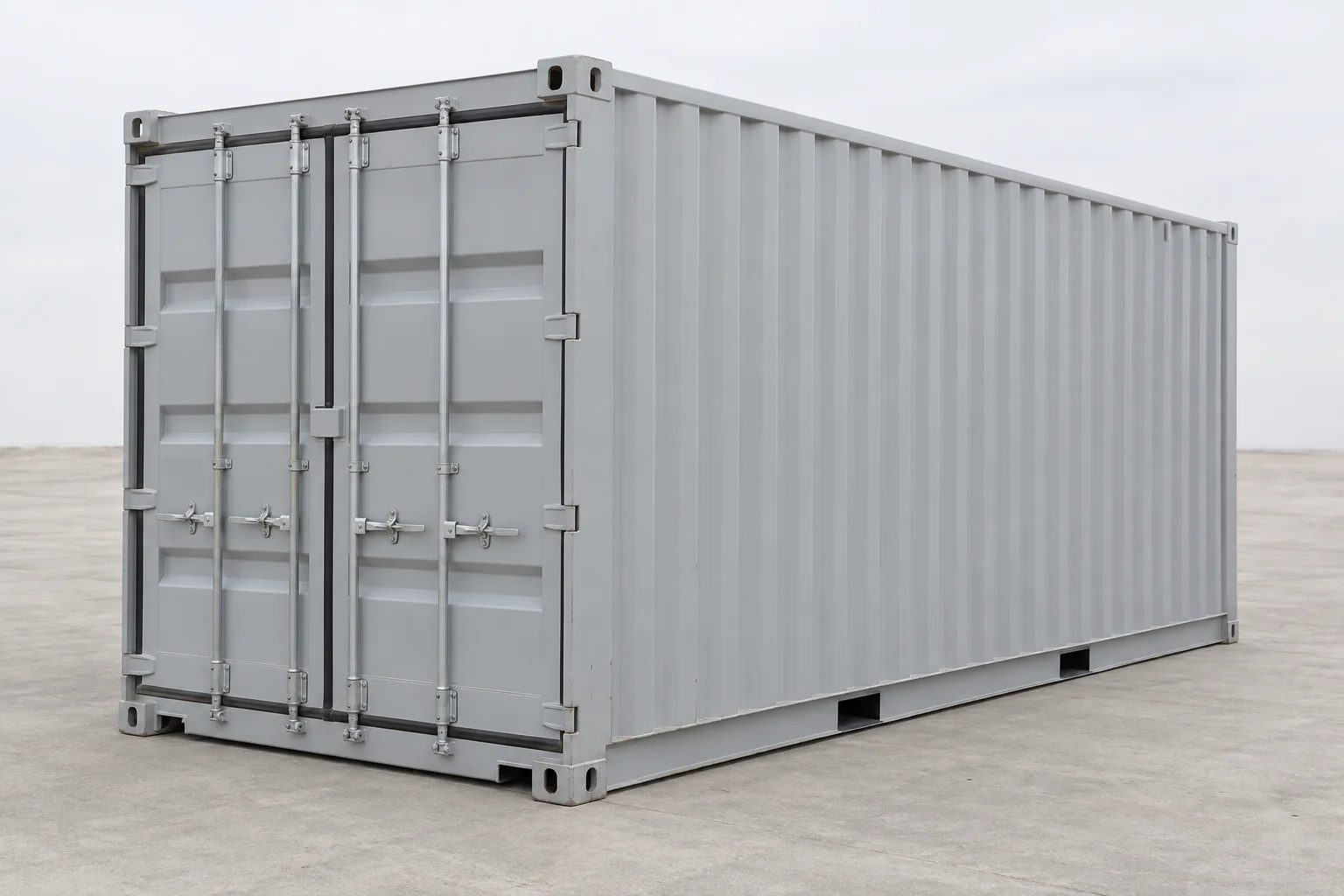
A cleaner finish, with less visible wear. Check the included features and any handling marks.
Explore 20ft new / one-trip →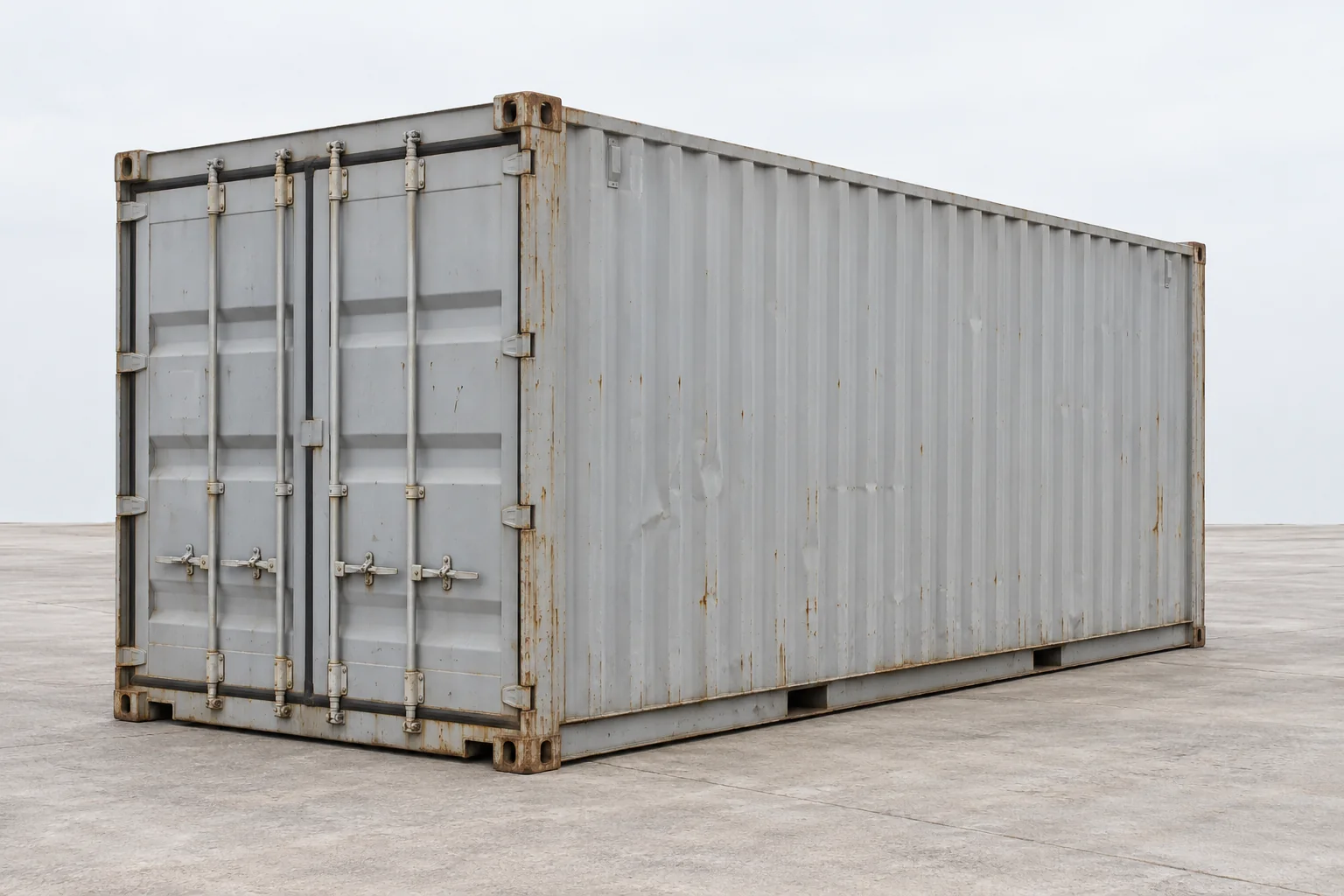
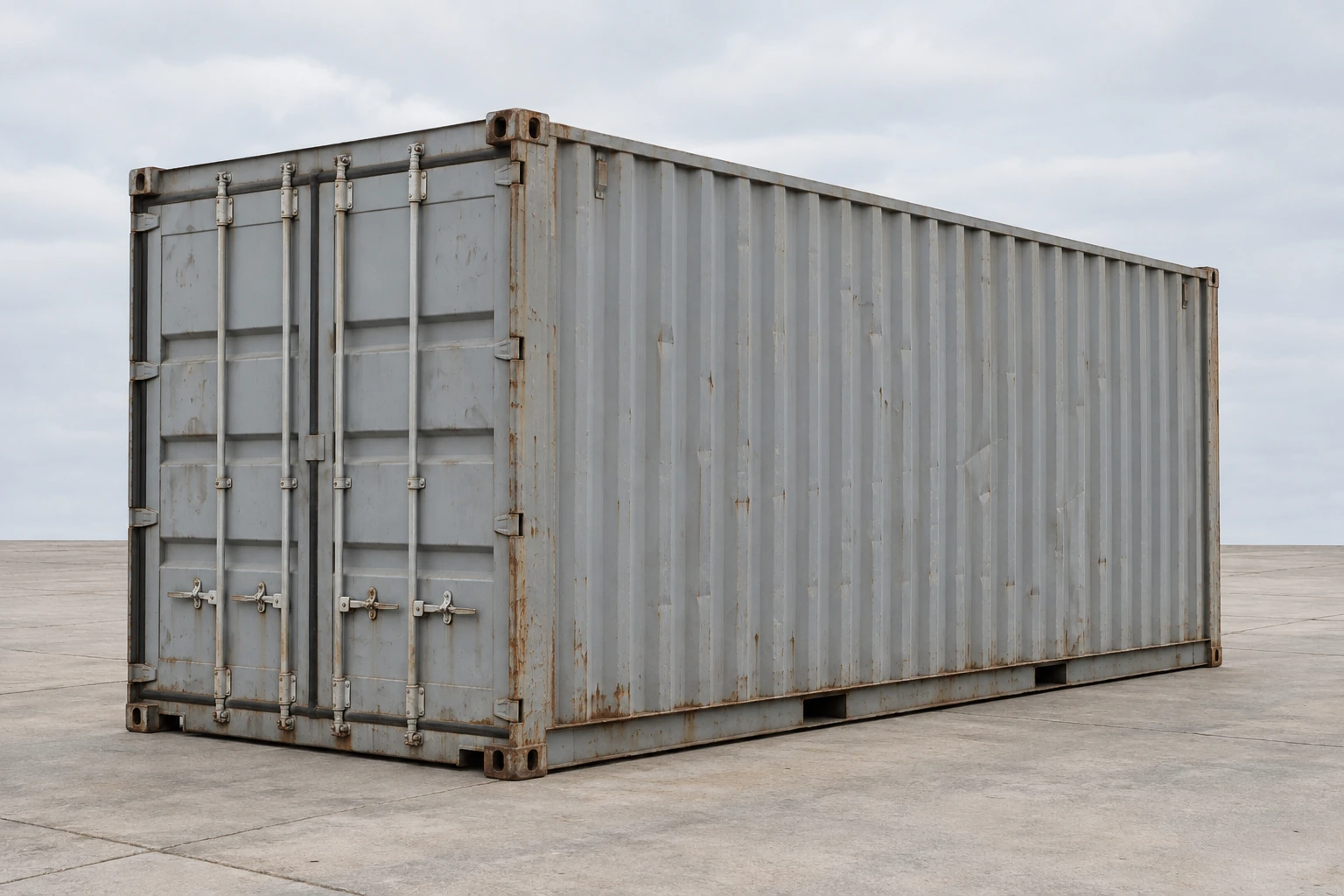
Compare storage and cargo-worthy options. Check the actual floor, doors, repairs and weather sealing.
Explore 20ft used →Used means the container has been used before. Check its grade and condition records to see whether it suits your plans.
For storage: compare weather sealing, floor condition and working doors. A WWT label does not establish approval for ocean shipping.
Explore wind & watertight →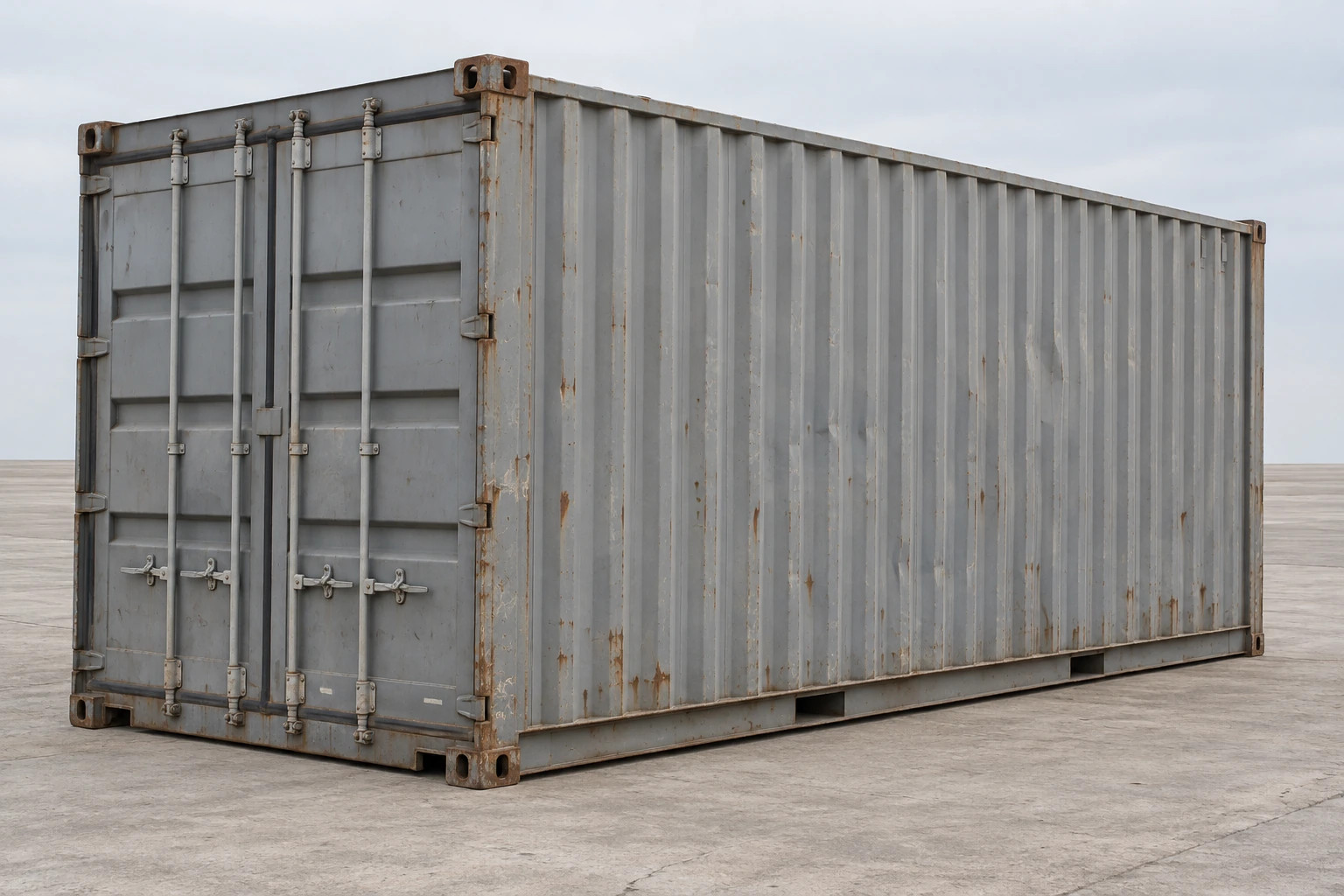
For a transport project: compare the actual inspection, CSC examination records and acceptance by your intended carrier.
Explore cargo-worthy →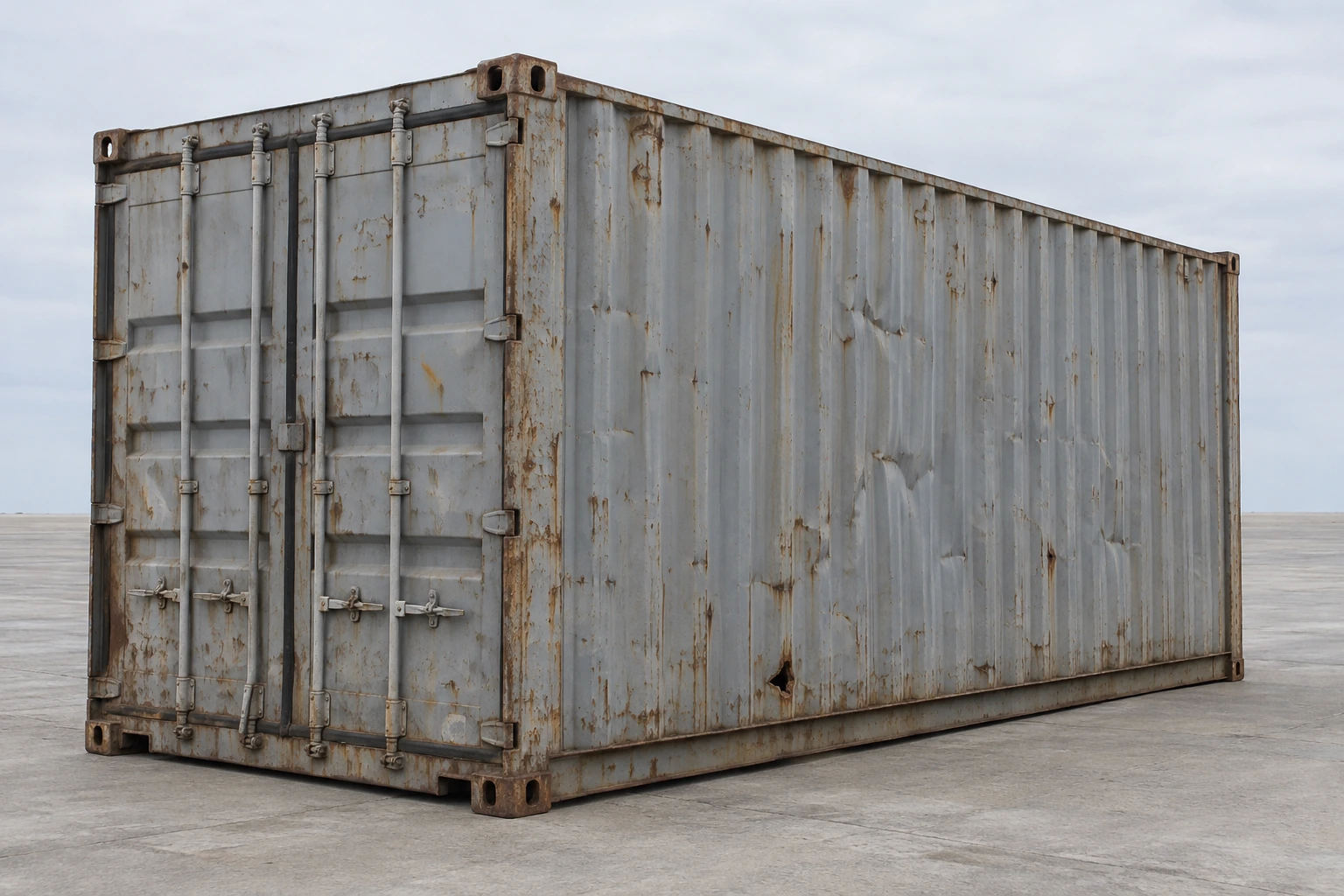
For a repair project: identify the defects and price the work before comparing the complete cost with a usable container.
Explore as-is →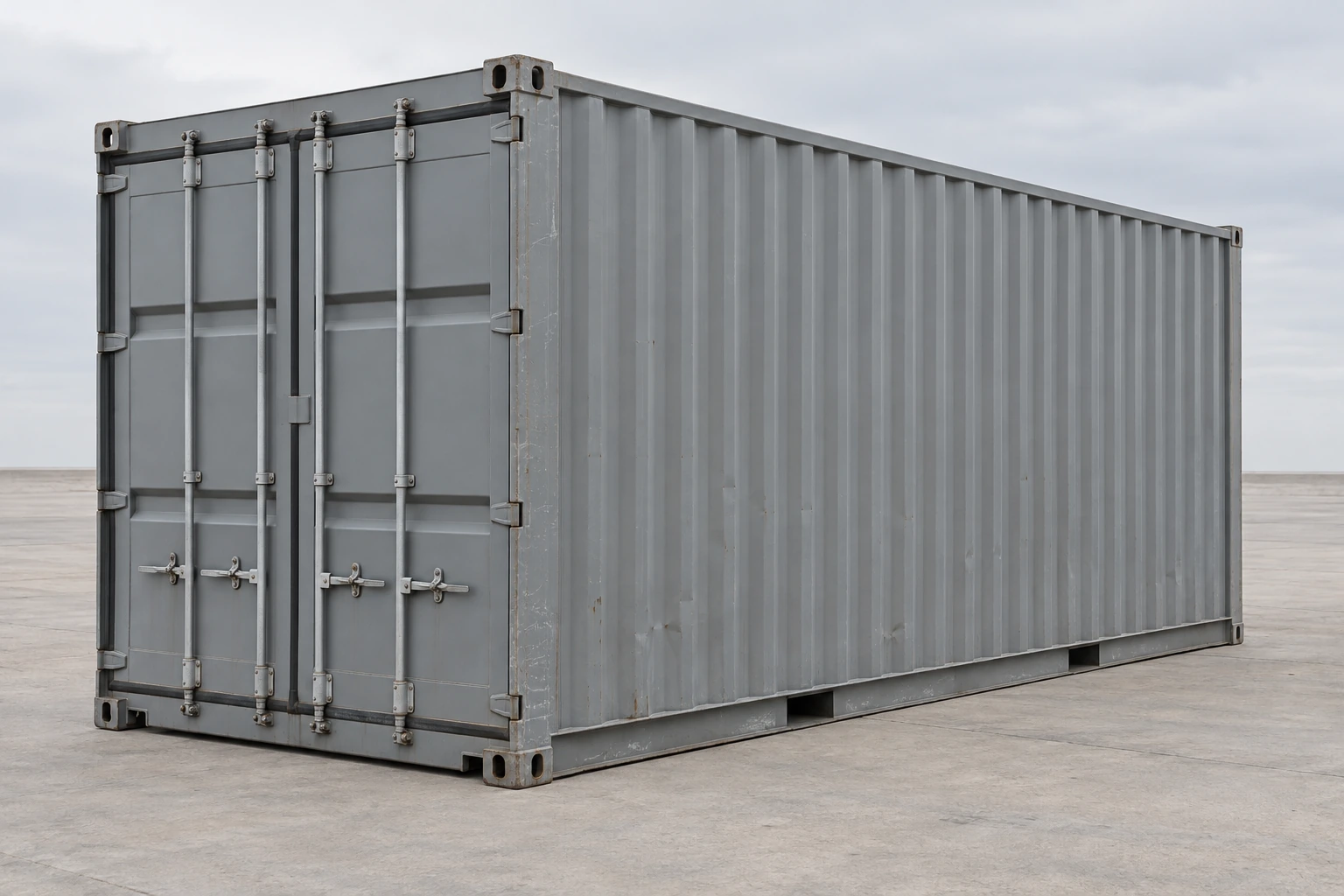
Compare an offer described as lightly used with one-trip. Confirm the actual history and finish; the label is defined by the seller.
Explore multi-trip / limited use →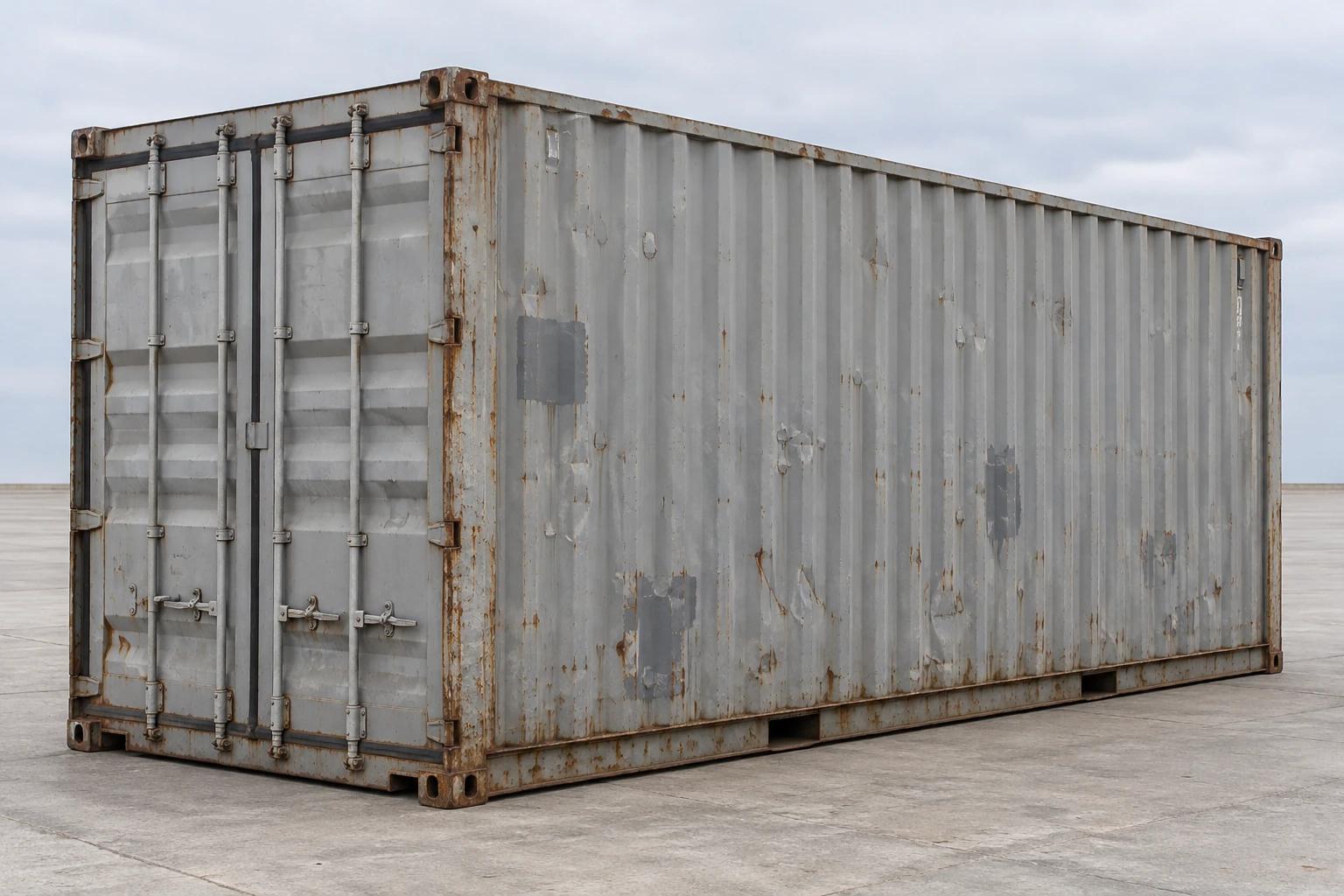
Compare budget storage offers by the defects accepted and the protection included. Economy does not automatically mean WWT or as-is.
Explore economy grade →Compare the floor surface, wall wear and visible repairs, then request close-up photos of the actual unit.
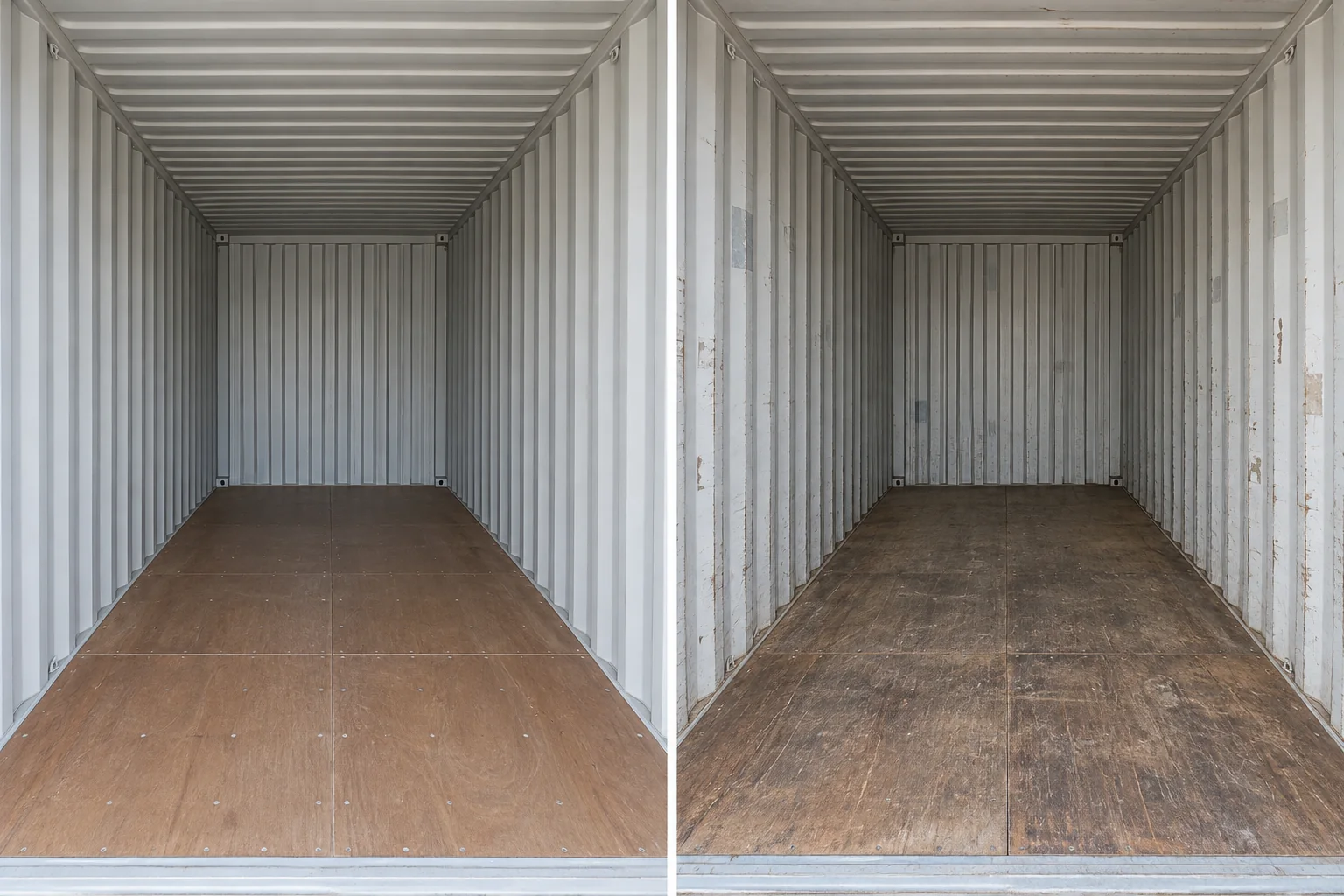
Illustrative appearances. Paint and rust alone do not establish weather-tightness or suitability for shipping.
Choose the space, access and finish your project needs.
Plan shelving and an aisle before filling the floor. Check the floor, seals and door operation on the actual unit.
Use the buying checklist ↗Measure packed goods and pallets, including how you will move them through the doors. Reserve access to items at the back.
See interior dimensions ↗Keep tools near the work area. Plan a firm placement spot, door clearance and truck access as the site changes.
Plan your site ↗A workspace needs insulation, ventilation, power and comfortable access. Allow for the interior space taken by the fit-out.
Explore container offices ↗A roller-door opening can change how you reach equipment. Its clear opening and structural work need to match your use.
Compare roller-door access ↗A container is the shell. Plan the layout, structure, utilities and local approval requirements before buying it.
Explore container homes ↗Prices vary with condition, specification, availability and delivery location. Request a quote for your project. Prices in AUD, including 10% GST.
Advertised price, ex. GST
Standard 20ft used dry container, before delivery.
Prepare a used-container request →Advertised price, ex. GST
Standard 20ft new / one-trip dry container, before delivery.
Prepare a one-trip request →Ask your supplier to confirm the container condition, door configuration, included fittings, delivery, unloading, any repairs and quote validity in writing.
A lower listing price can still mean a higher delivered total.Compare the same condition, address and unloading scope.
Prepare my price request →Condition affects appearance, repairs and the evidence you should request.
Ask what the seller means by “new” or “one-trip” for the offered unit. Confirm whether it has carried cargo, its actual travel and handling history, current photos and any damage or repairs. A seller’s condition label does not establish a factory-unused unit.
WWT describes a used container offered as keeping wind and water out. Dents, worn paint, surface rust and repairs can still be part of the condition.
Cargo worthy refers to suitability for cargo transport, rather than a cosmetic grade. The label alone does not prove a current examination or carrier acceptance.
Do not treat “last-trip” as a consistent condition grade. Ask whether the seller means the last cargo movement before resale, a final permitted voyage or a unit being retired from service. Confirm its actual condition and intended use separately.
Only if you understand the defects and repair scope. “As-is” may describe a damaged condition category or the terms of a used sale. Request a written defect list, photos and any promised repairs; do not assume it is watertight.
The floor area and the door opening answer different questions. Measure both.
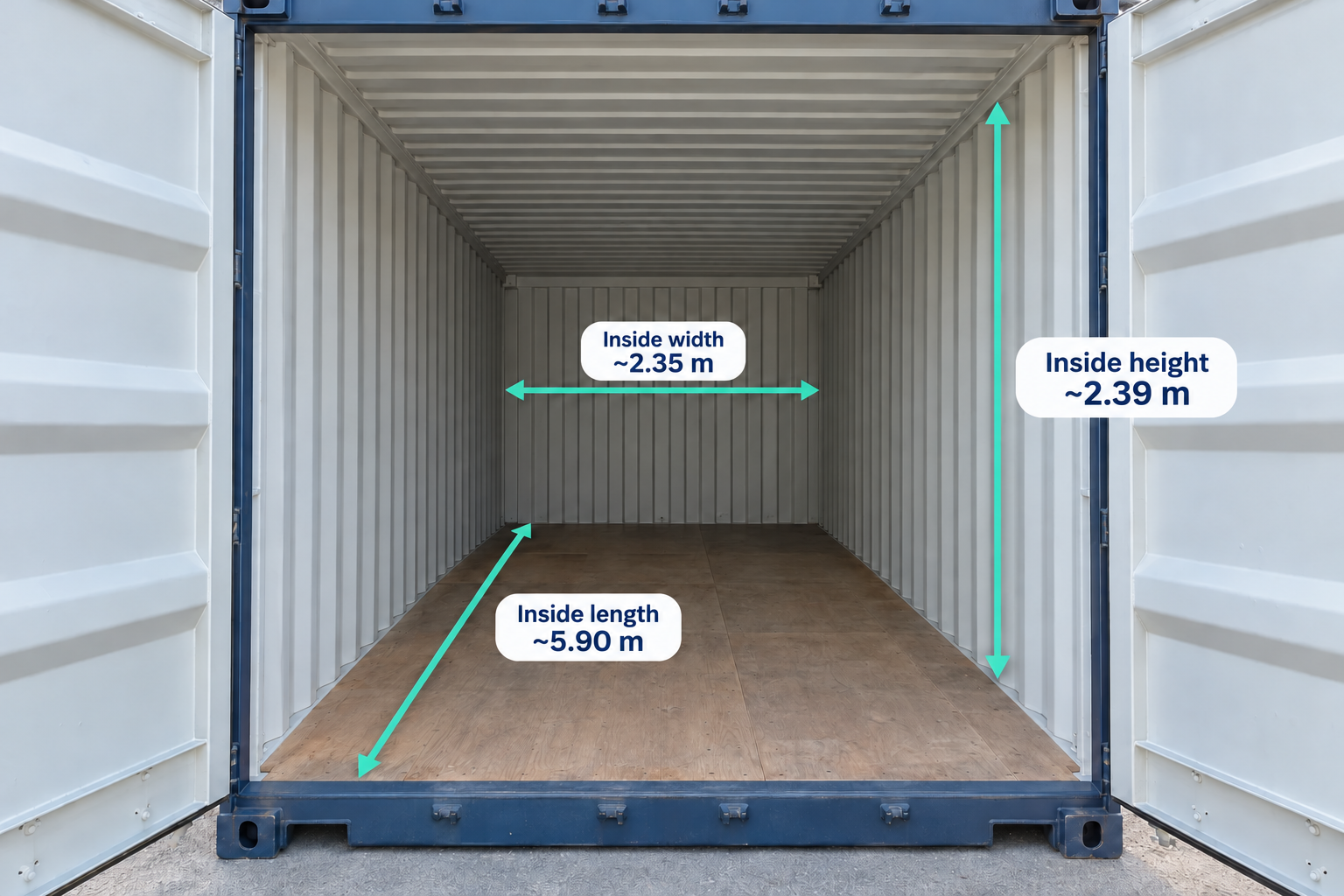
Representative standard-height dimensions. Interior and door measurements vary by manufacturer and unit; confirm the container offered to you.
The door is smaller than the room.Check your largest item with its pallet, packaging and handling equipment.
Floor area is not all usable storage once you add shelving and access.
A dry steel box does not control indoor temperature or humidity.
Ask for the actual unit’s payload and concentrated floor-load limits.
Both standard formats are nominally 2.438 m wide and 2.591 m high. The main difference is length.

Useful when the placement area is limited and your storage list fits roughly 13.9 m² of bare floor.
Build my 20ft request →More room for longer items or a larger storage layout, with roughly 28.3 m² of bare floor. Check the longer delivery vehicle’s access.
Explore 40ft shipping containers →Send the delivery postcode and access photos before agreeing to a delivered quote.
Share gate width, turns, slopes and overhead obstructions. The transporter needs space beyond the container’s footprint.
Tilt-tray delivery slides the unit off. Flatbed delivery needs separate lifting equipment. Agree who provides it.
Prepare a firm, level support plan suited to the ground and intended loads. Confirm it before the truck arrives.
Mark the exact spot and which end should face the access area. Leave room to swing the doors and load your items.
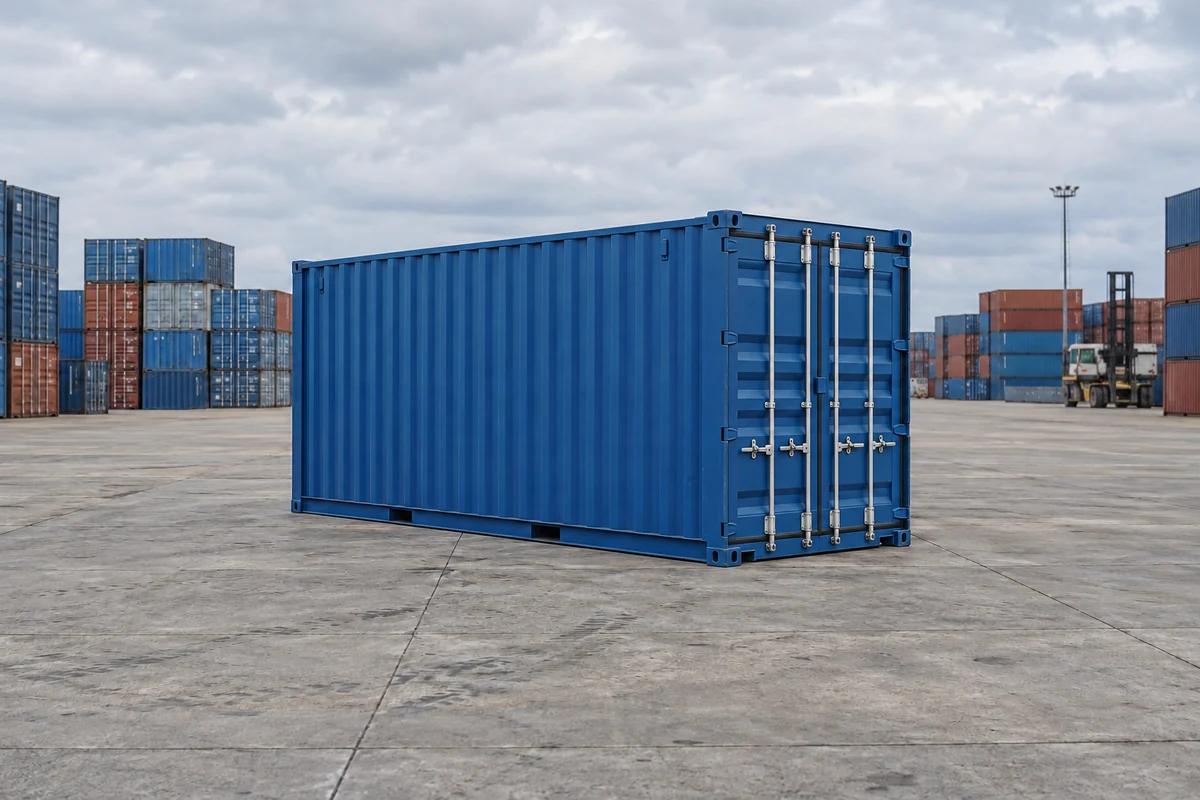
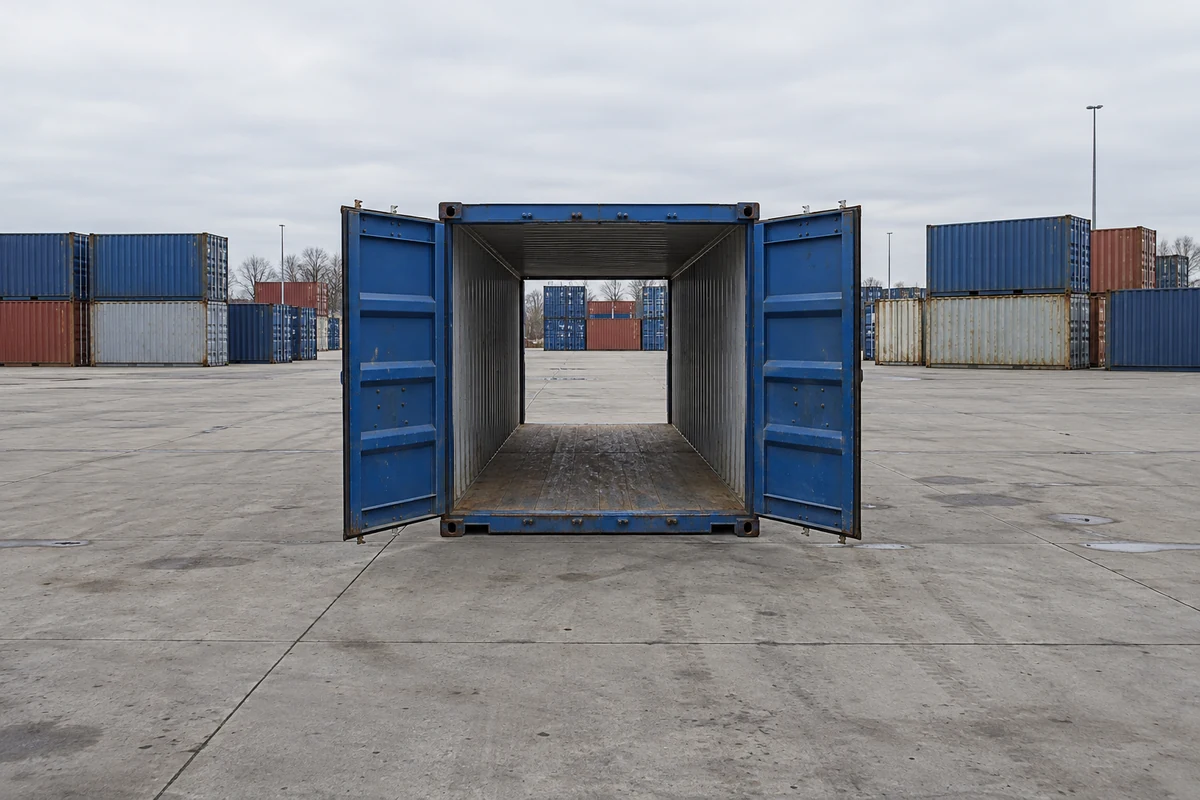
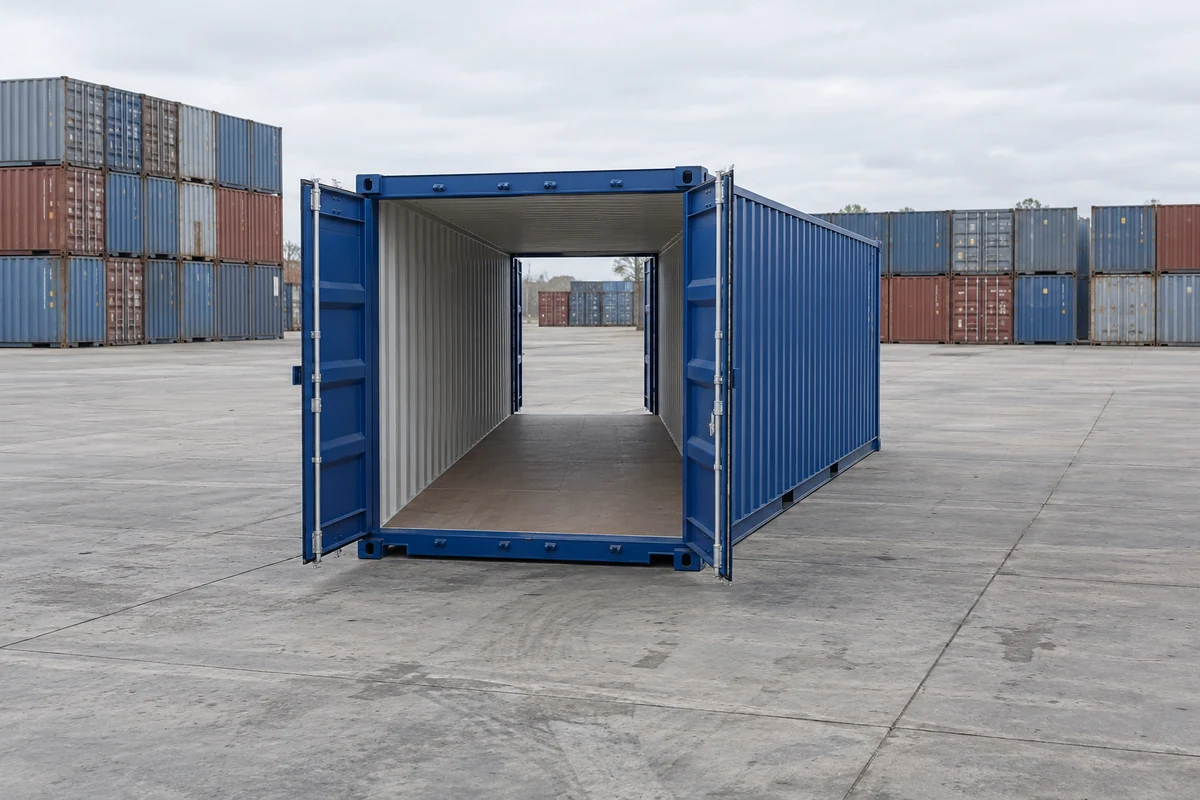
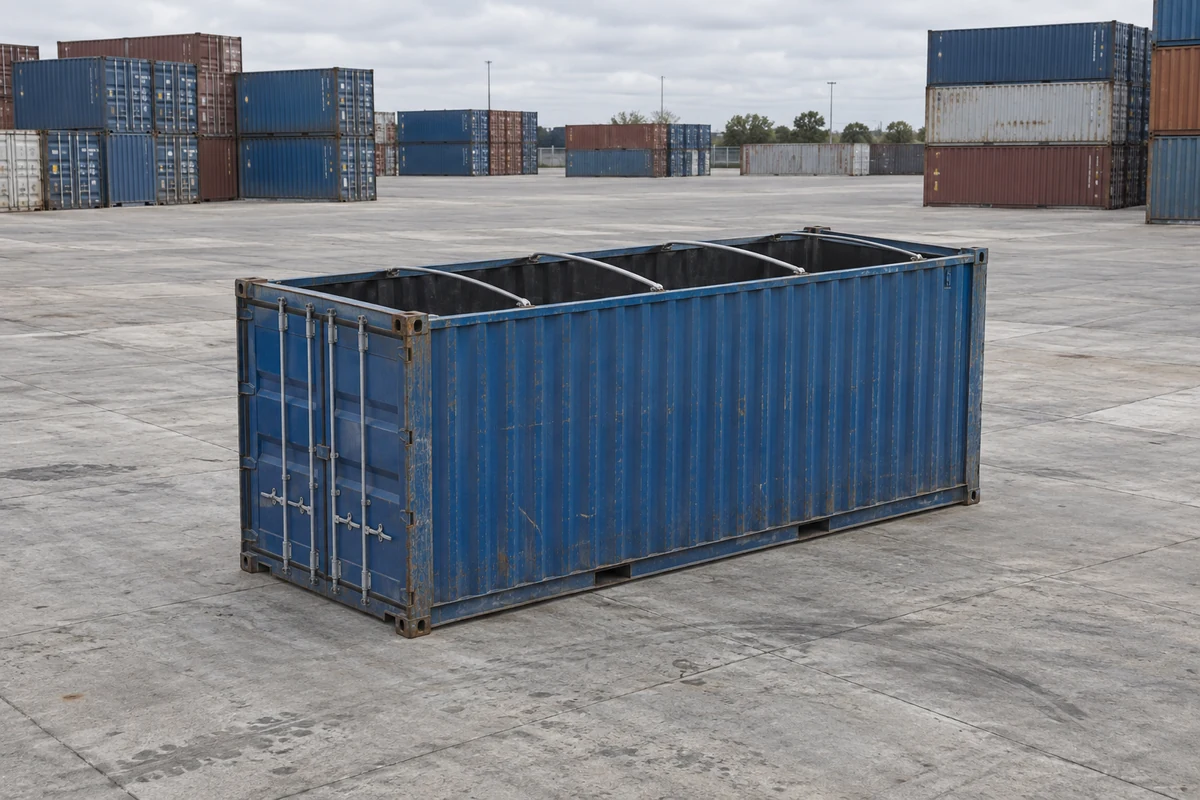
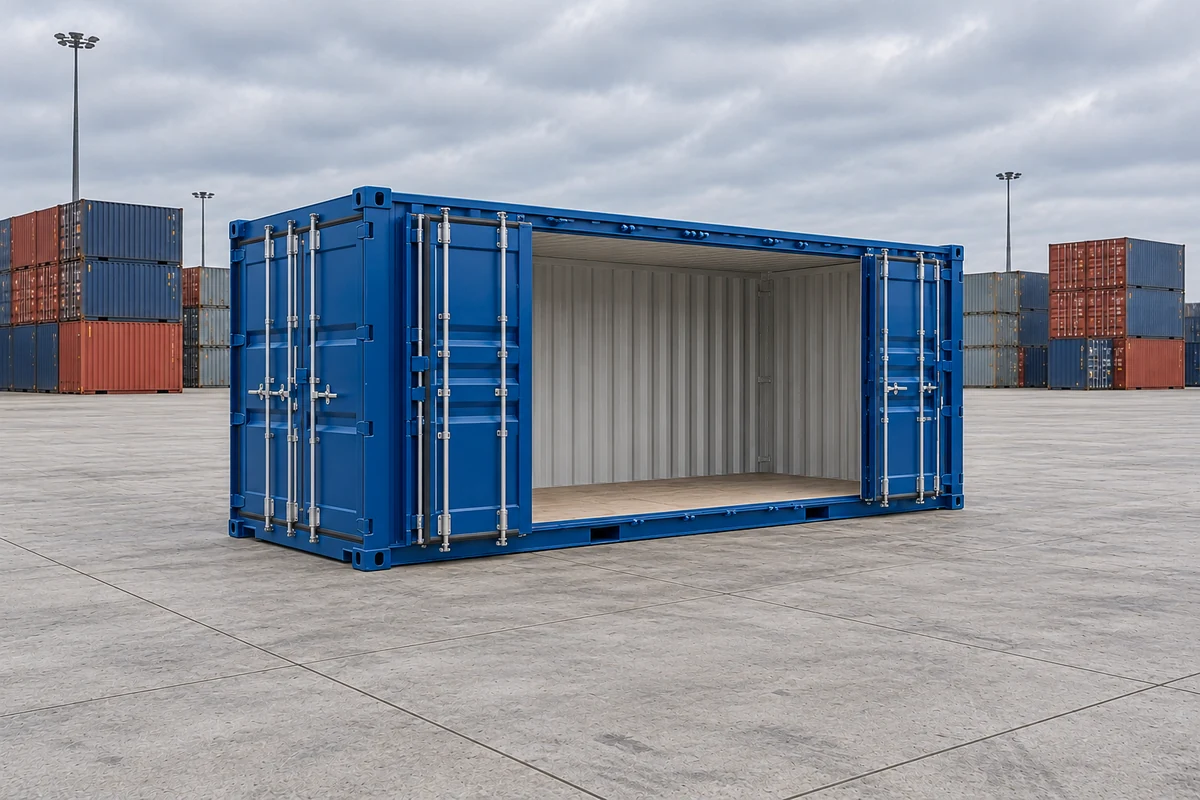
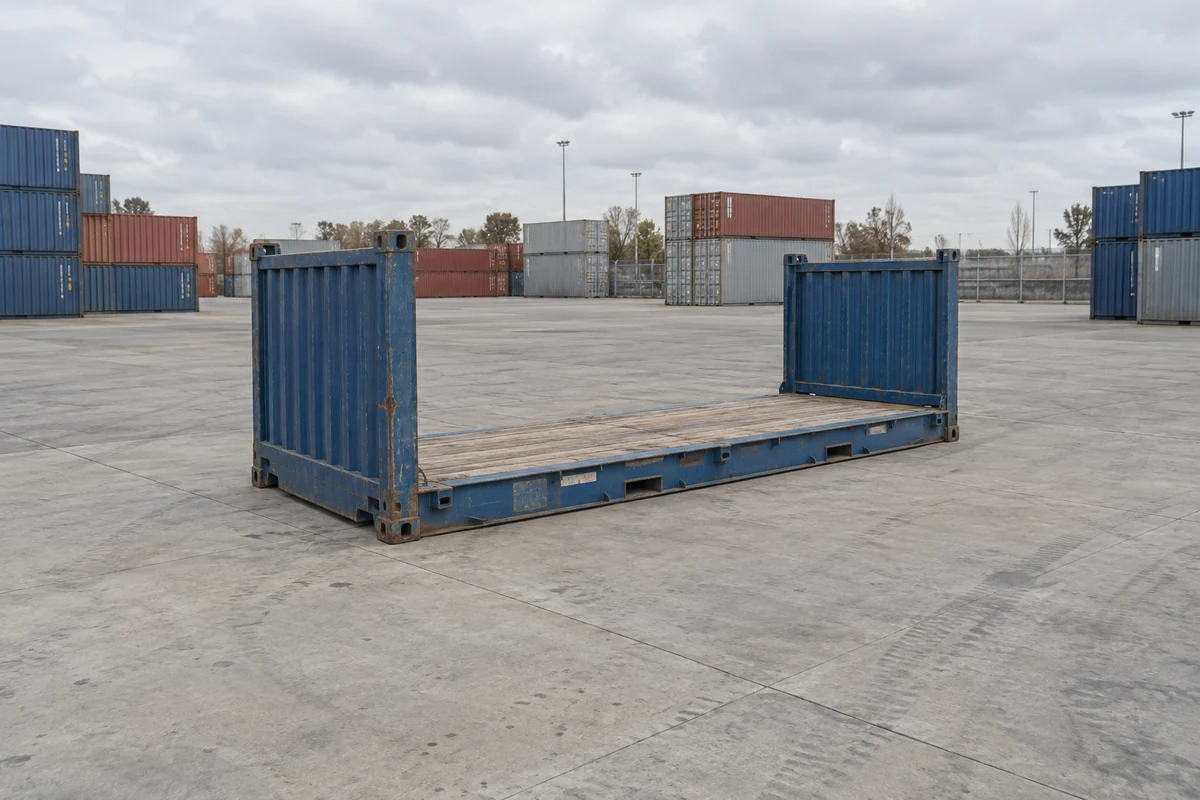
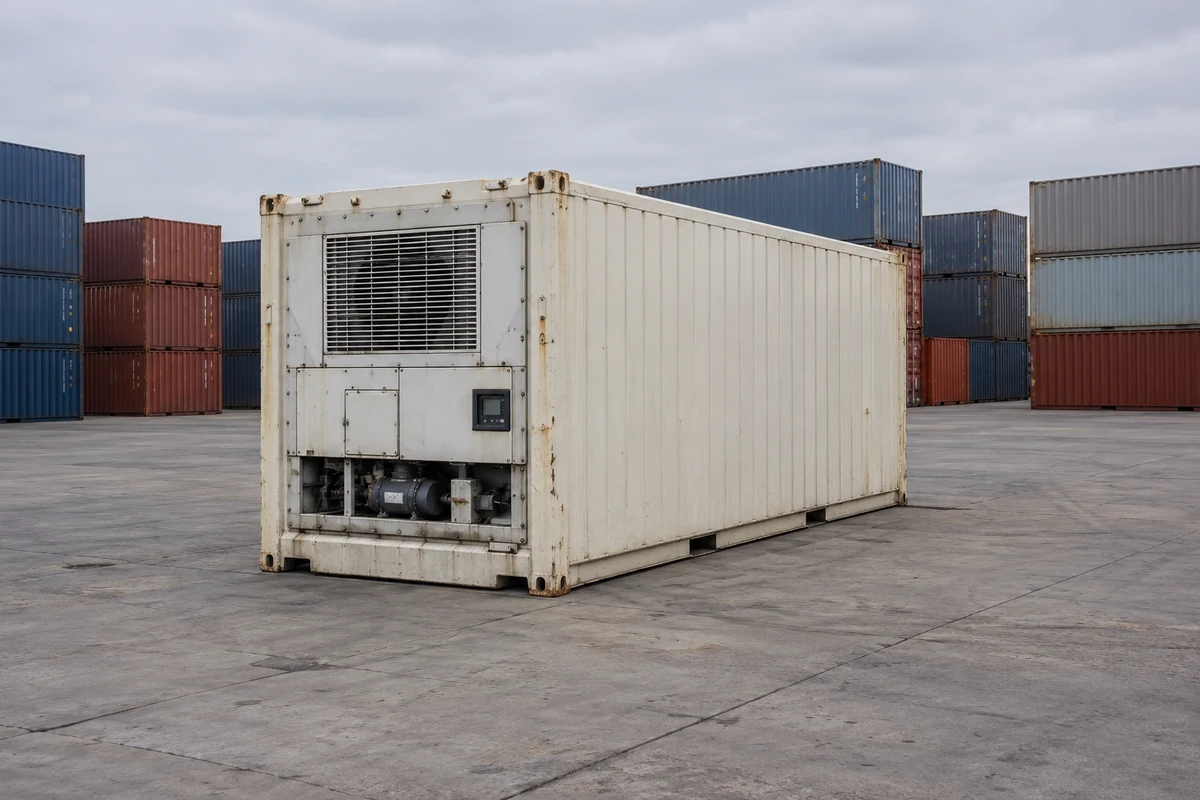
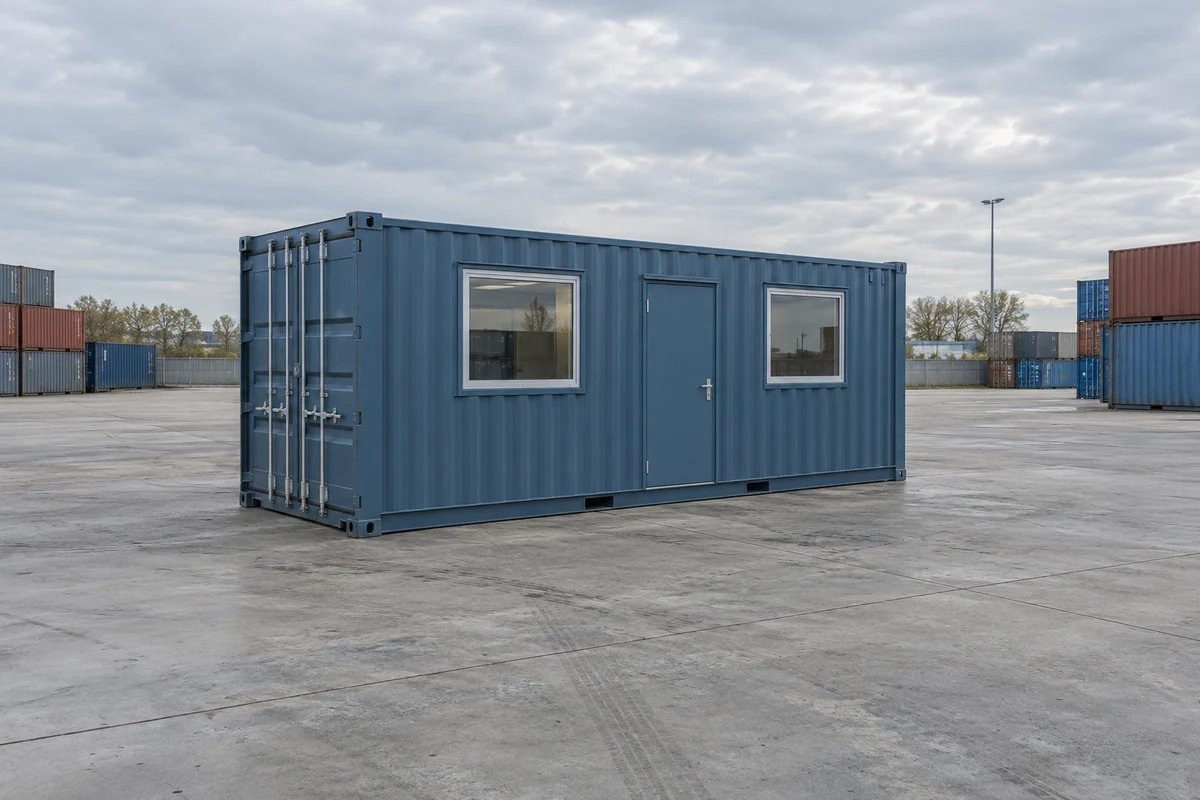
The images on this page are illustrations. Before buying, request current photos of the specific unit or confirm how the seller selects it. Put any colour or appearance requirement in the order.
A standard dry container does not actively control temperature or humidity. Explain what you will store so you can assess ventilation, condensation management, insulation or refrigerated equipment.
Check with the local authority for your address and intended use before delivery. Storage, an occupied workspace and a dwelling can have different requirements; buying the container does not establish approval.
Have the supplier confirm the unit, delivery date, unloading method and site access together. A container listing alone does not confirm availability for your postcode.
Put the size, condition and site details in one clear request.