
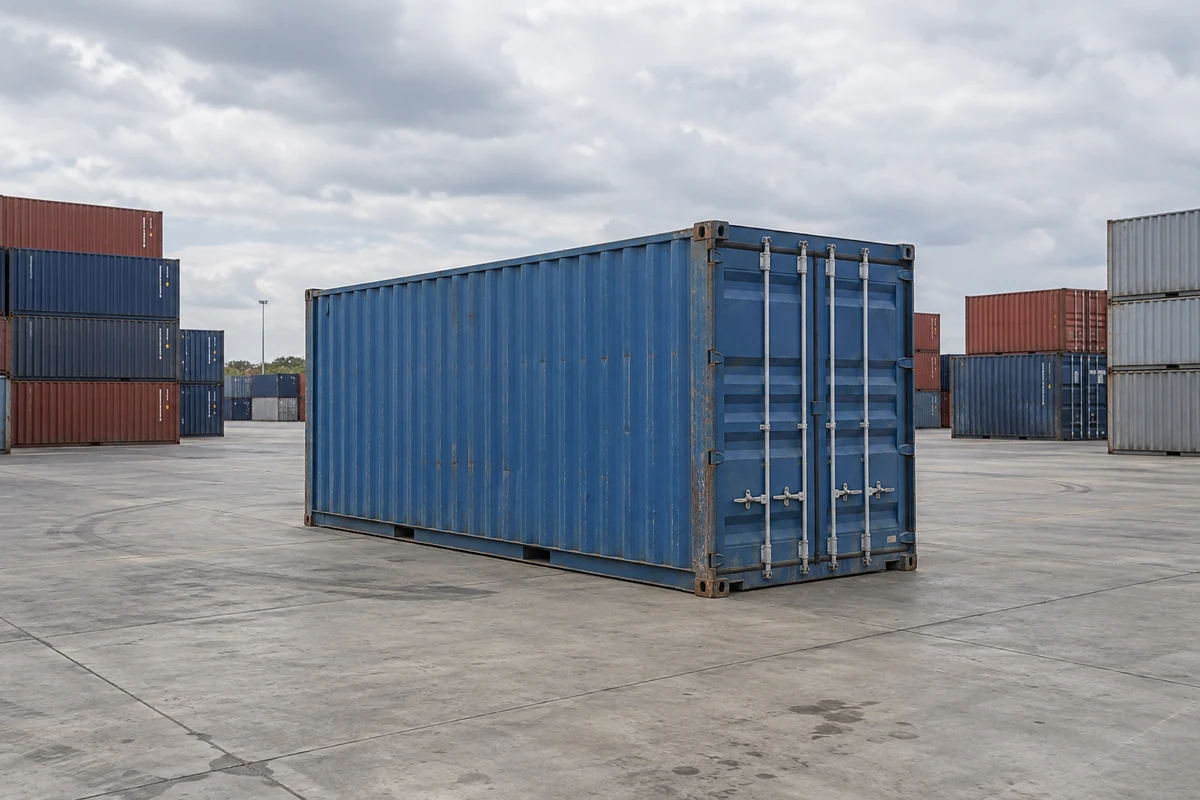
20ft standard container — used
- Used
From £875
Advertised price, checked 16 Oct 2026 · ex. VAT · before delivery
Delivery quoted to your postcode
Plan your container purchase in the UK.Compare quotes in £ for the same container and delivery services.
20FT / AS-IS
Consider a 20ft as-is container only when you can inspect the unit, define the work it needs and manage the repair project. A low purchase price may come with leaks, damaged flooring, severe corrosion or structural defects. Price the identified repairs and delivery before deciding whether the finished container will cost less than a suitable WWT alternative.
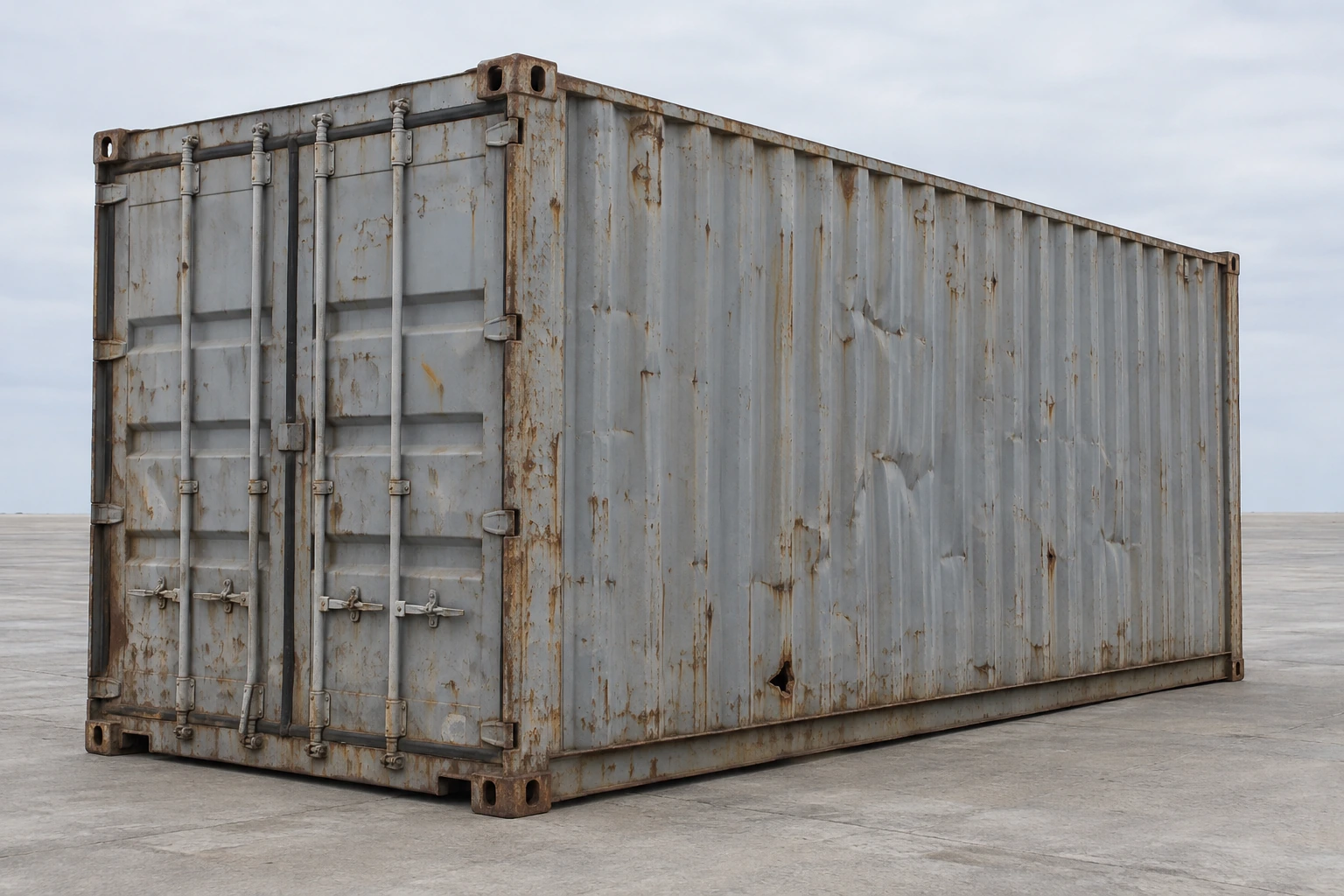
From £875
Advertised price, checked 16 Oct 2026 · ex. VAT · before delivery
Delivery quoted to your postcode
Prices are examples advertised by sellers on the date shown, not ContainerPick offers. Stock, condition and the delivered total are confirmed in each quote.
| Before committing | Make the answer specific |
|---|---|
| Which container? | Identify the selected unit and its condition evidence; clarify substitution terms if selection is not available. |
| What is wrong with it? | List the known holes, floor damage, corrosion, door defects and any structural concerns with their locations. |
| What remains unknown? | Name the roof, underside or repaired areas that have not been inspected, rather than treating them as sound. |
| What does the sale include? | Specify any repairs, loading assistance, documents and agreed reporting or remedy process. No included repair should be inferred from the name. |
As-is describes a sale in the unit's present condition. It does not define a standard defect level or prove that the container can keep goods dry. Some offers may exclude repairs or condition warranties; read the written terms rather than assuming every as-is sale has the same conditions.
For a UK consumer purchase from a trader, a condition label or limited voluntary warranty does not remove applicable statutory rights. The satisfactory-quality assessment takes the description, price and circumstances into account; specifically disclosed defects or defects a pre-purchase inspection should reveal can affect that assessment. Business purchases and private sales can have different rules. Check GOV.UK consumer refunds guidance and the Consumer Rights Act quality rules and rules on excluding rights.
Ask for the actual container number, a current photo set and an opportunity for inspection. Record the disclosed defects, areas that could not be checked and any work the seller has explicitly agreed to do. A representative photo of an as-is stack cannot identify the repairs on the unit you will receive.
Inspection should turn the advertised discount into a list of work. If key damage cannot be assessed, the savings are still unknown.
Identify holes, damaged seams, previous patches and areas of heavy corrosion. A surface coating and a steel repair are different jobs. Ask a qualified repairer to define the necessary work and how the affected areas will be checked afterward.
Map damaged floor sections and inspect their supports where accessible. Have stiff or misaligned doors assessed, including hinges, seals and locking hardware. Price the specific work needed for the way you intend to load and retrieve goods.
For damaged corners, bent members, uncertain repairs or inaccessible critical areas, obtain a competent assessment before choosing the unit or arranging handling. A cheap shell is not a priced solution while its usable condition remains unresolved.
Persistent odours, residues and unknown cargo history can also make a shell unsuitable for the intended contents. Keep these questions in the inspection scope rather than assuming cleaning or new lining will resolve them.
Compare two containers ready for the same job at the same location. The discount on the as-is shell is only the starting margin for all the extra work it requires.
| Completed-project budget | Include in the as-is option |
|---|---|
| Container purchase | The identified shell and applicable VAT. |
| Assessment | Any inspection or repair assessment needed to resolve defects before purchase or handling. |
| Necessary repairs | Priced steel, flooring, door or seal work, with labour, materials and post-repair checks. |
| Cleaning and chosen finish | Work needed for the intended contents, plus any repainting wanted for appearance. |
| Movement and handling | Collection, repair-shop transport if needed, unloading or lifting, final delivery and placement. |
| Site and storage setup | Supports, access preparation and the equipment also required on the comparison unit. |
Use written scopes and quotes for the known work. Count your own labour, tools and materials if you plan to do part of the job yourself. Keep uninspected damage outside the claimed saving until it has been resolved; an arbitrary repair allowance does not price an unknown structural problem.
If the completed as-is total approaches the delivered WWT total, consider whether the remaining saving justifies organizing repairs and waiting for completion. If the two options do not meet the same condition requirement, the comparison is unfinished.
Agree the repair schedule if the container must be usable by a project date. Include extra handling or transport in the chosen plan rather than assuming every repair can be done after the box is placed.
| Project | Decision to make |
|---|---|
| A repair project with inspection access | Consider it when the defects, handling and finished condition can be assessed and priced before purchase. |
| Storage needed immediately | Compare WWT first. An as-is unit is not ready merely because its nominal size fits the site. |
| Paper, furniture or sensitive equipment | Resolve the shell's usable condition and environmental needs before placing the goods inside. |
| An occupied conversion | Have the actual structure, floor and history assessed for the design; as-is does not establish a suitable building shell. |
| Cargo shipping | Do not infer freight suitability. The unit would need appropriate condition, current examination evidence and carrier acceptance. |
Temporary storage still needs conditions appropriate to what you store. A leak can damage goods during a short project, and a floor defect can interfere with loading on the first day. Set the required outcome before deciding which defects you can accept.
Have the repair quote identify the damaged areas and proposed work, replacement materials where needed, the repair location and the completion checks. Keep necessary functional repairs separate from the finish you want. A fresh coat of paint does not document repaired steel, floor supports or a working door assembly.
Agree how the finished shell will be checked against your requirement before adding shelves, lining or electrical work. Those installations can conceal repaired areas or require removal if a defect is still unresolved.
Retain before-and-after photos and the repair record. If you want the finished unit to meet WWT storage requirements or a freight requirement, arrange the corresponding assessment; the purchase label does not change automatically when work is completed.
Tell the transporter and repairer about disclosed structural damage before booking collection. Let the responsible operator assess whether the planned handling method is appropriate for the actual unit. The fact that a container is listed for sale does not establish that any unloading method is suitable.
Choose where the repairs will take place before planning the final delivery. Work at a separate shop may add a second movement and handling charges; work at your site may need access around the shell and separate equipment.
Send site and access photos and confirm the lorry’s working space, ground conditions, lifting responsibilities and final door orientation. Record the actual unit and visible condition at collection and arrival so pre-existing defects can be distinguished from any transit discrepancy.
Compare the finish, buying budget and checks that matter to your project.
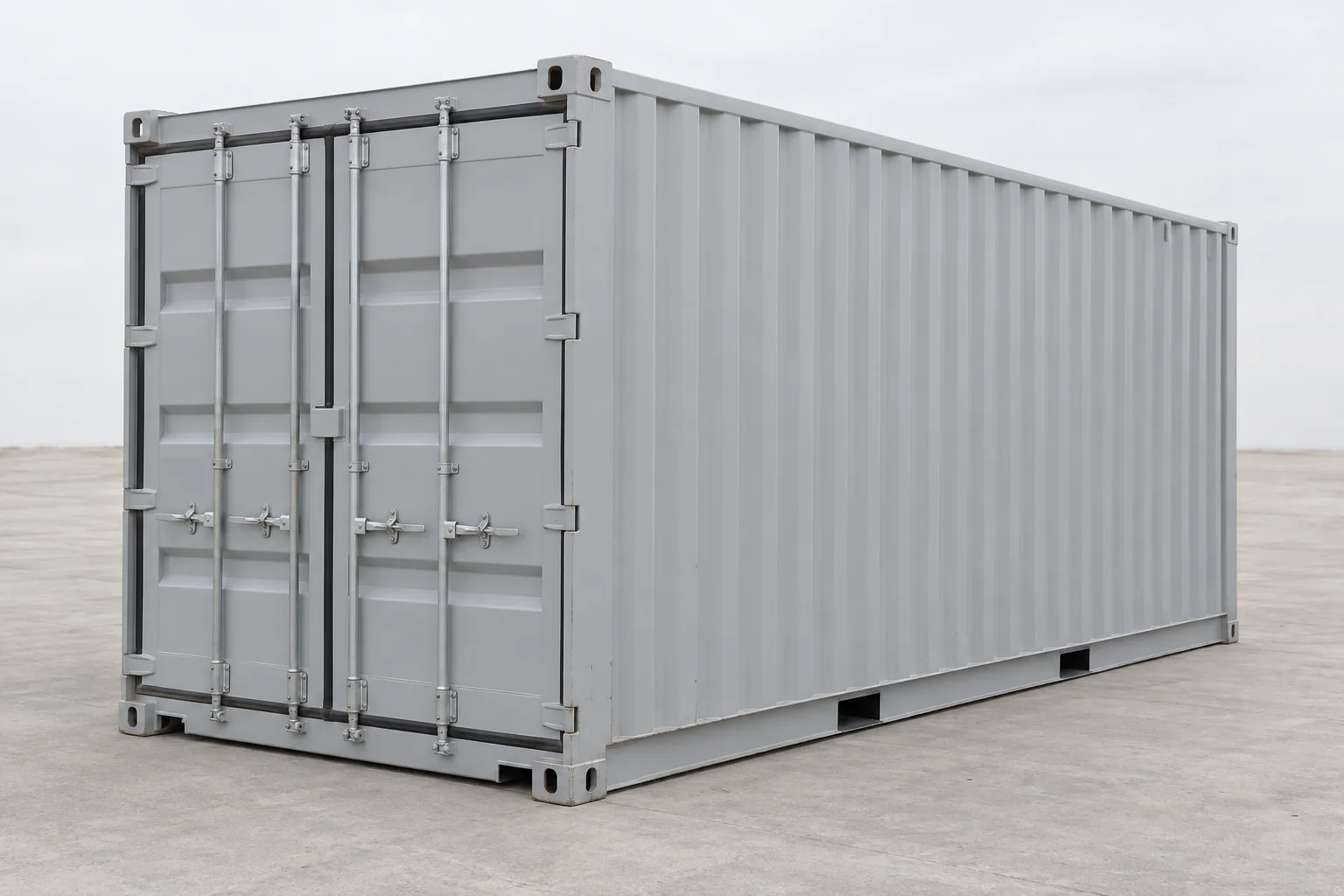
A cleaner finish, with less visible wear. Check the included features and any handling marks.
Explore 20ft new / one-trip →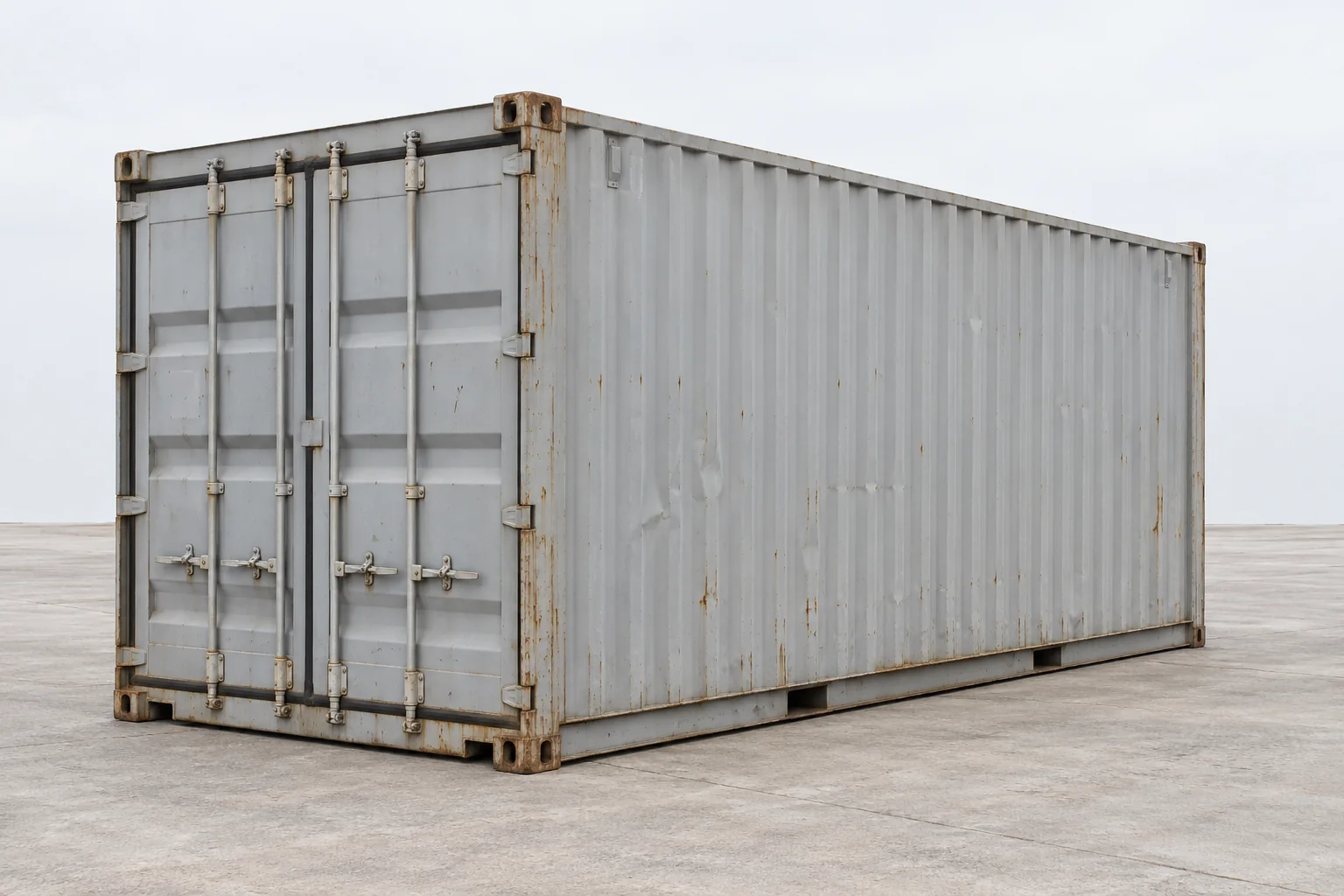
Compare storage and cargo-worthy options. Check the actual floor, doors, repairs and weather sealing.
Explore 20ft used →Used means the container has been used before. Check its grade and condition records to see whether it suits your plans.
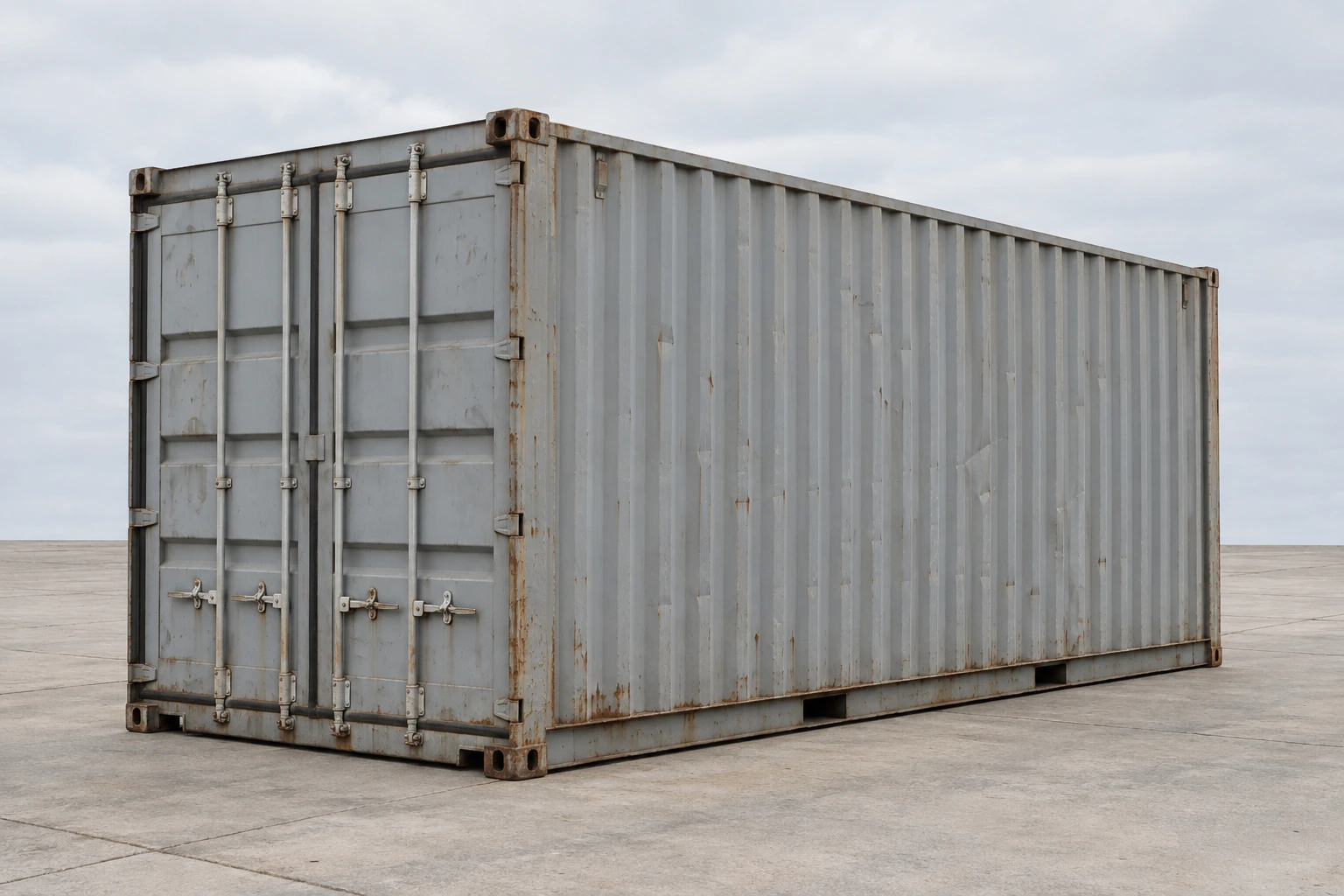
For storage: compare weather sealing, floor condition and working doors. A WWT label does not establish approval for ocean shipping.
Explore wind & watertight →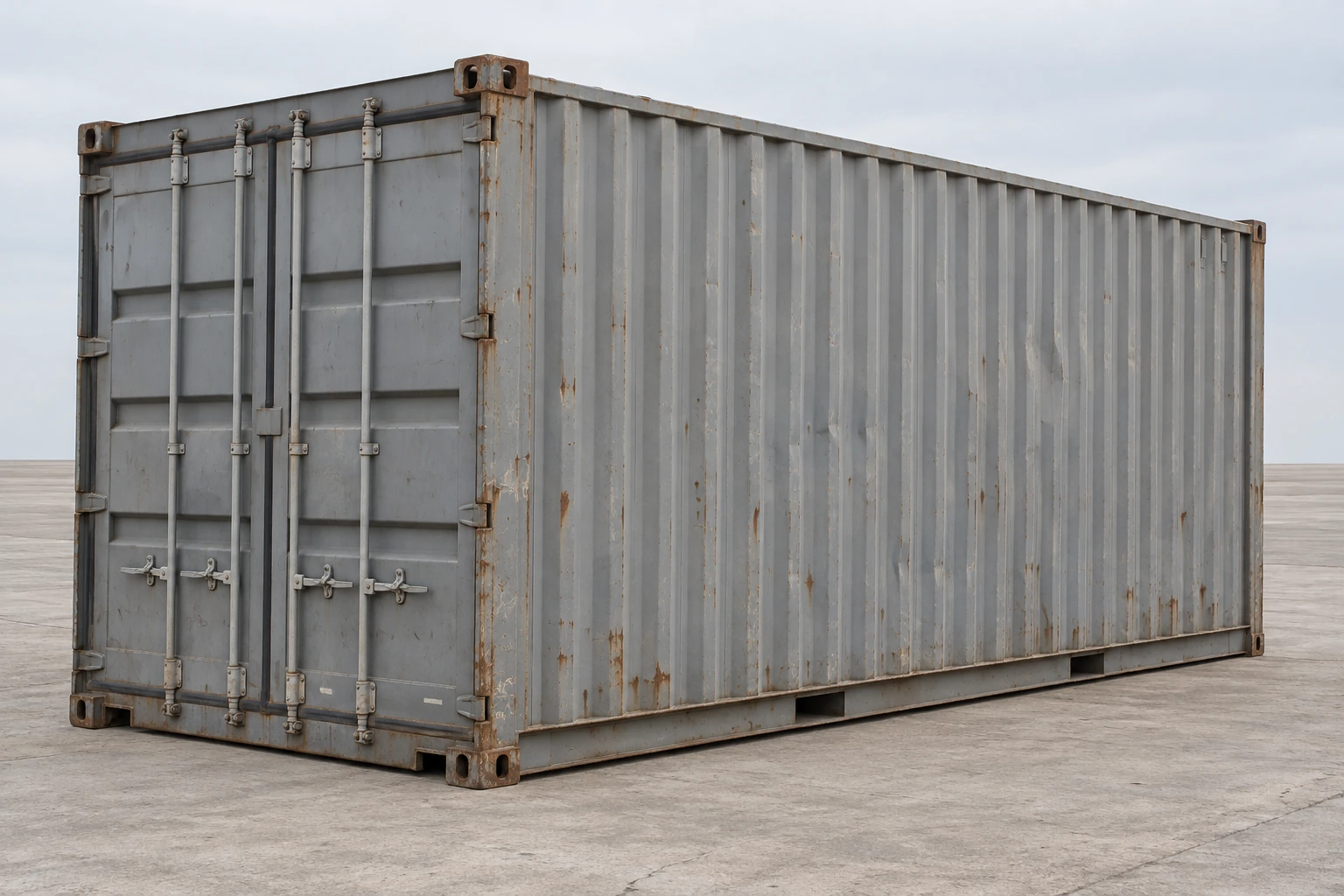
For a transport project: compare the actual inspection, CSC examination records and acceptance by your intended carrier.
Explore cargo-worthy →For a repair project: identify the defects and price the work before comparing the complete cost with a usable container.
You are viewing this grade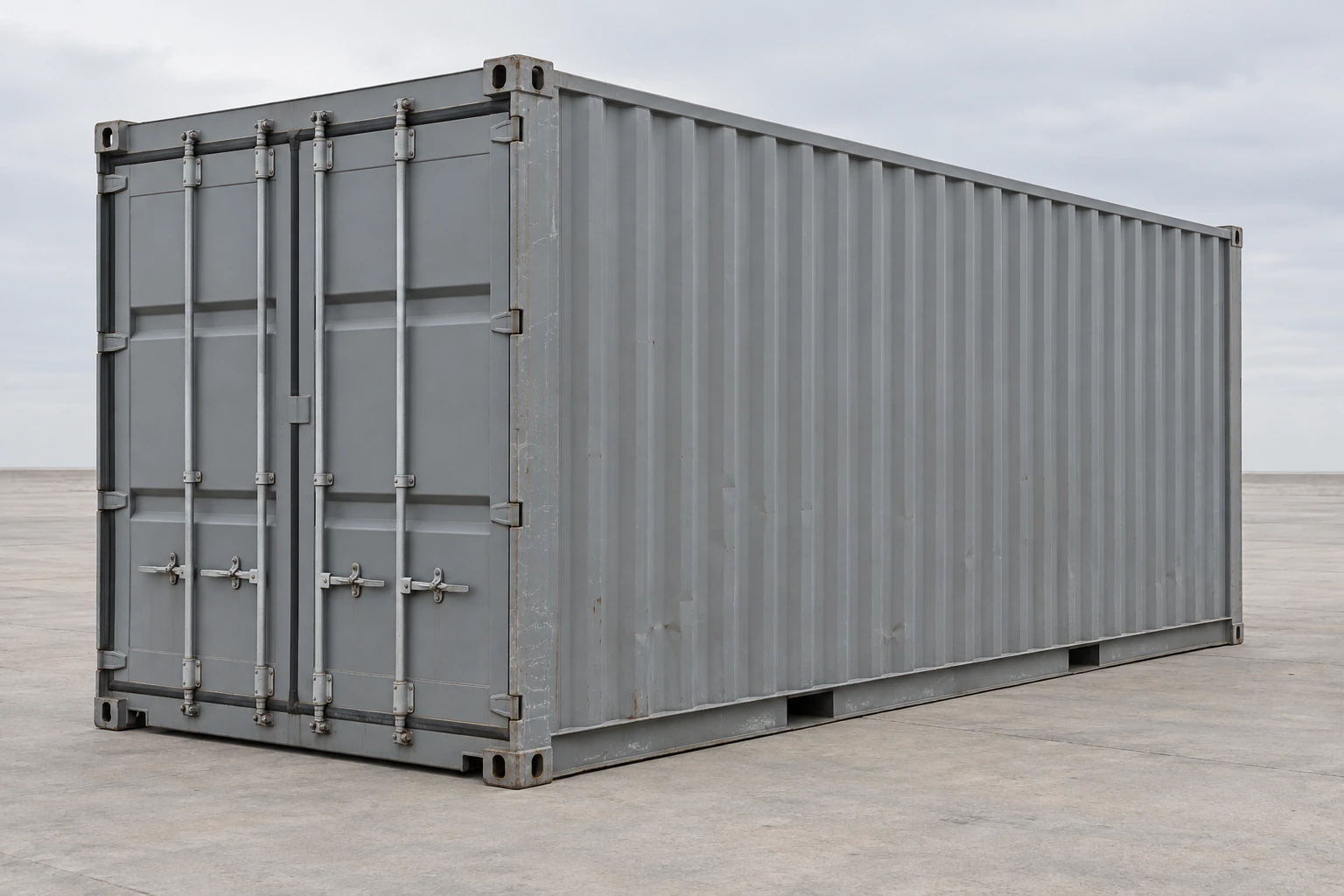
Compare an offer described as lightly used with one-trip. Confirm the actual history and finish; the label is defined by the seller.
Explore multi-trip / limited use →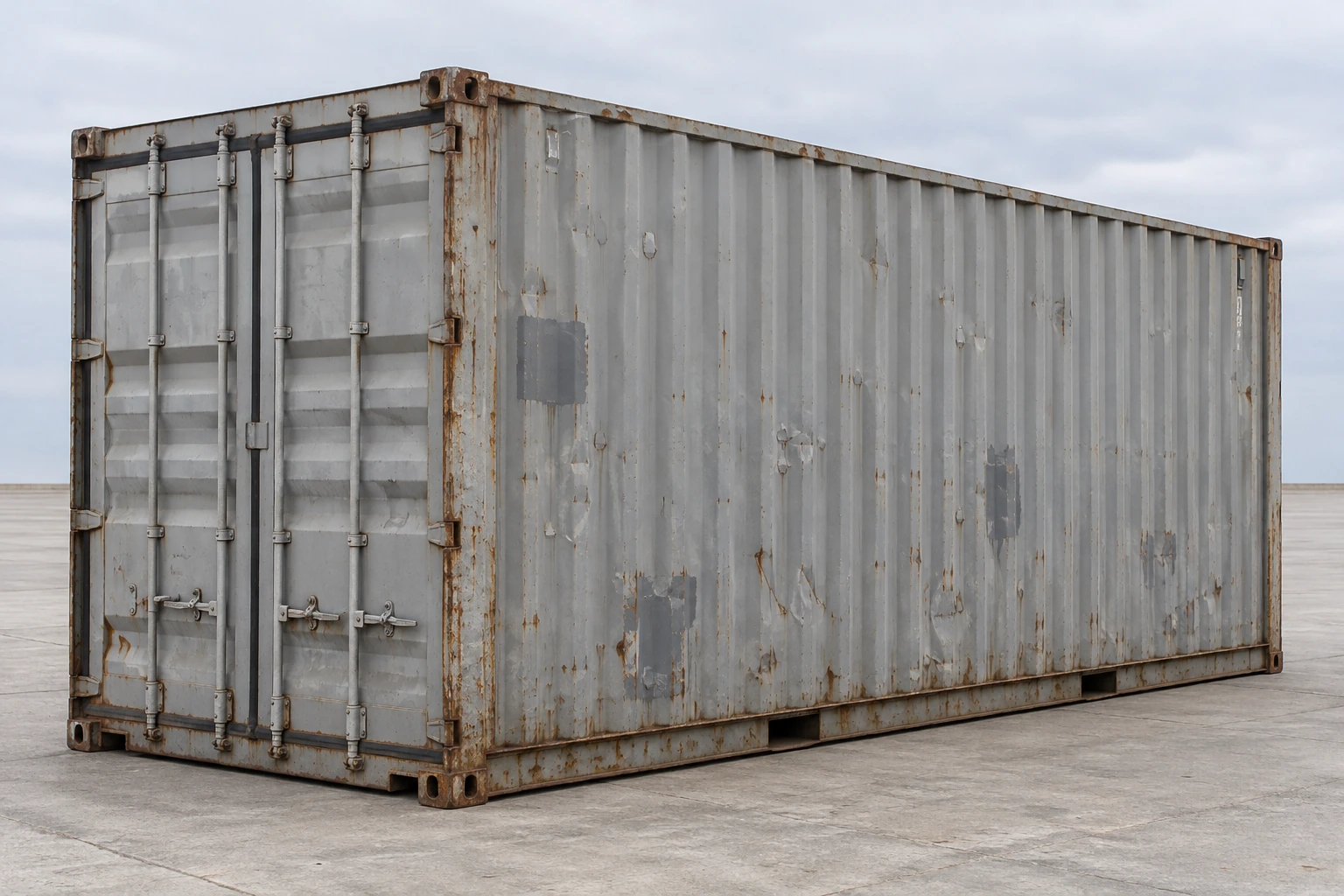
Compare budget storage offers by the defects accepted and the protection included. Economy does not automatically mean WWT or as-is.
Explore economy grade →Compare the floor surface, wall wear and visible repairs, then request close-up photos of the actual unit.
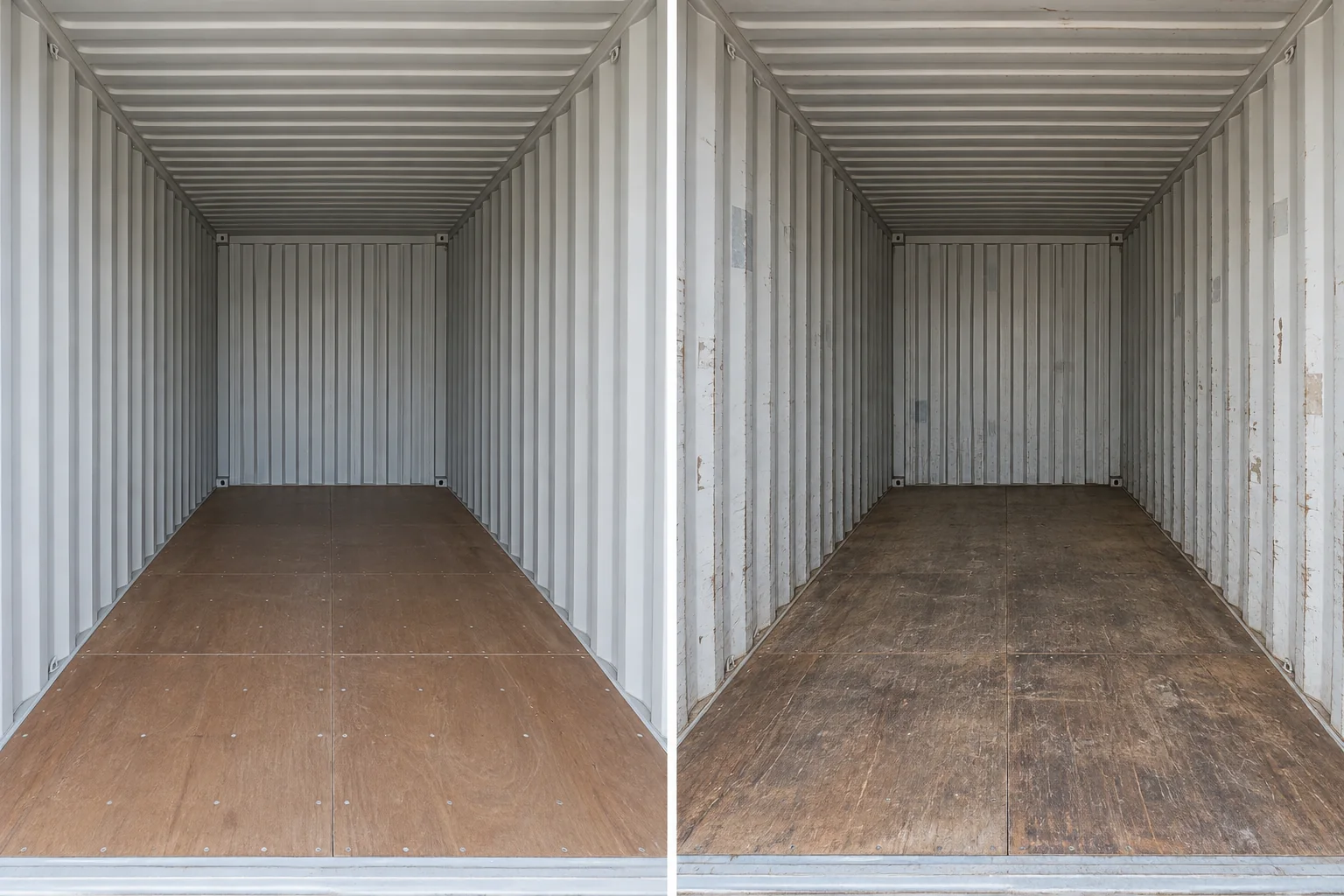
Illustrative appearances. Paint and rust alone do not establish weather-tightness or suitability for shipping.
As-is does not establish that. It may have holes, failed seals or other defects. Check the actual unit and sale terms; if your project requires WWT condition, define the necessary repairs and how the finished result will be assessed.
Only work explicitly included in the written order can be counted as included. Confirm any agreed repair scope and handover checks. Otherwise, budget for the work, materials, labour and related handling separately.
Painting addresses the finish. First assess the shell, floor, doors and any contamination concerns and resolve the work needed for your storage requirement. A new coating alone does not establish water-tightness or structural condition.
Use a quote for the identified defects on the actual unit, including inspection, materials, labour, checks and any extra transport. There is no reliable allowance from the grade name alone. Uninspected defects remain an unresolved cost in the comparison.
Include the condition, unloading and any work your container needs.