← Compare all 20ft containers

20FT / AS-IS

20ft As-Is Shipping Containers for Sale

Consider a 20ft as-is container only when you can inspect the unit, define the work it needs and manage the repair project. A low purchase price may come with leaks, damaged flooring, severe corrosion or structural defects. Price the identified repairs and delivery before deciding whether the finished container will cost less than a suitable WWT alternative.

Request your delivered price

Prepare and review your request. Sending requires your consent on the quote form.

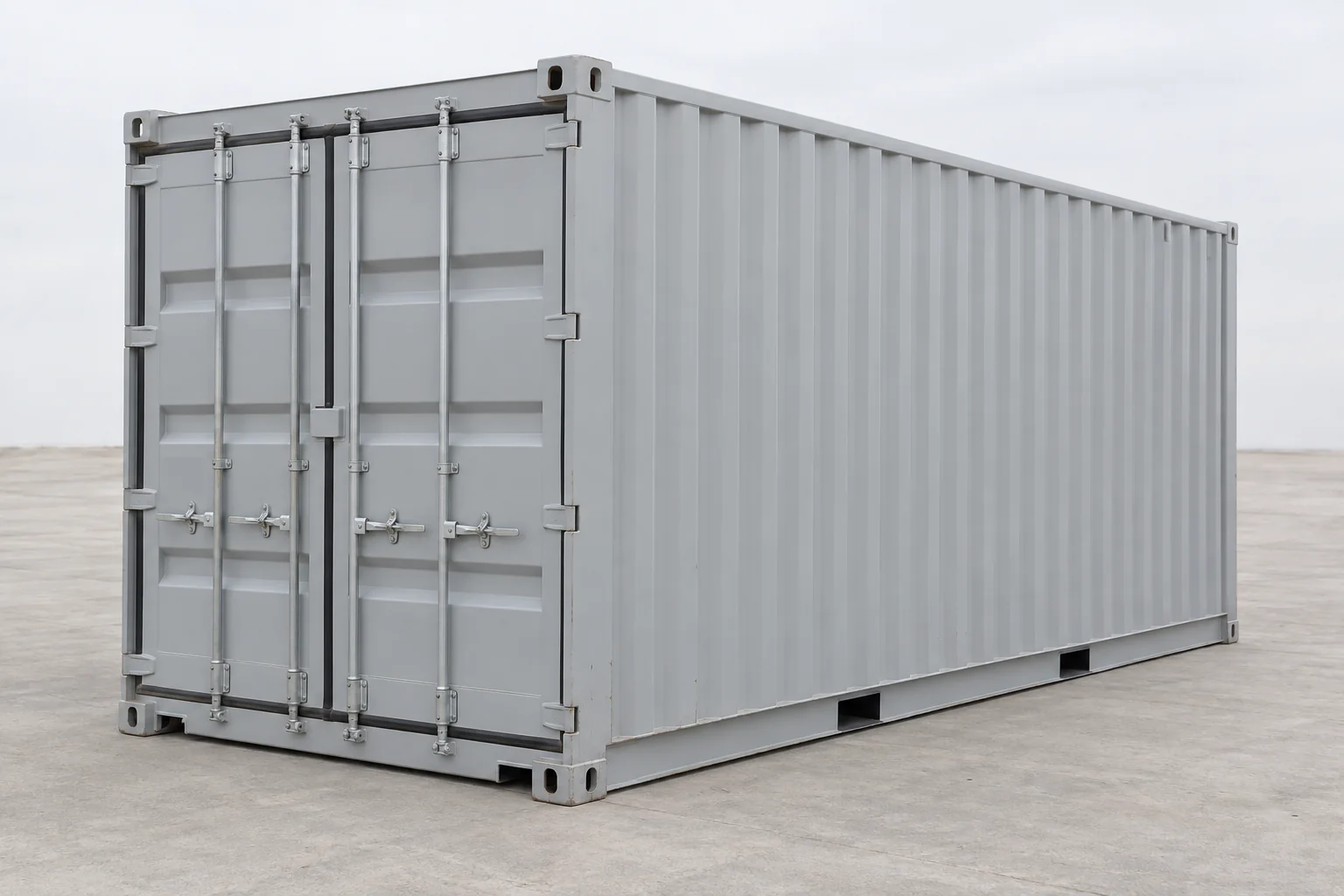
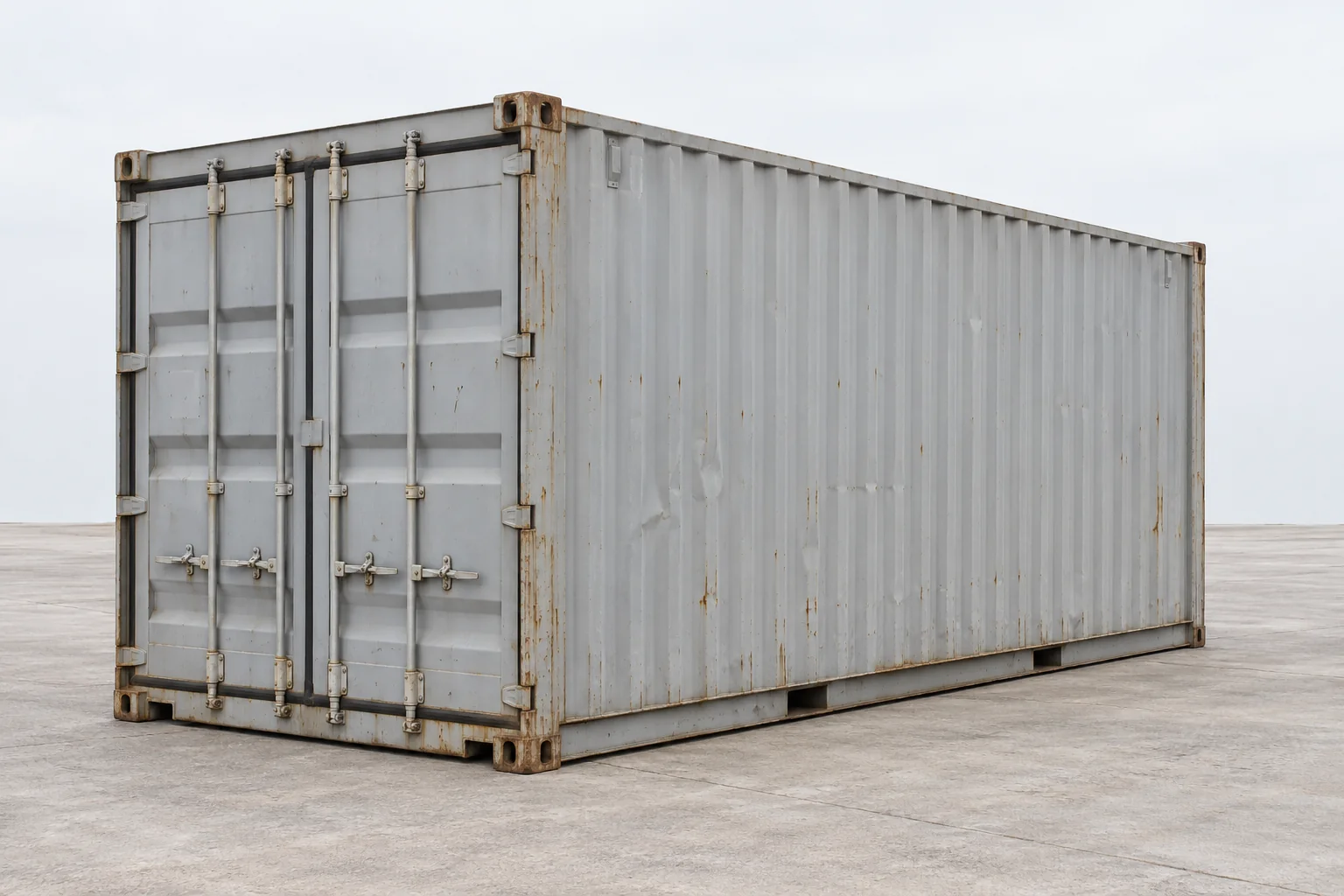
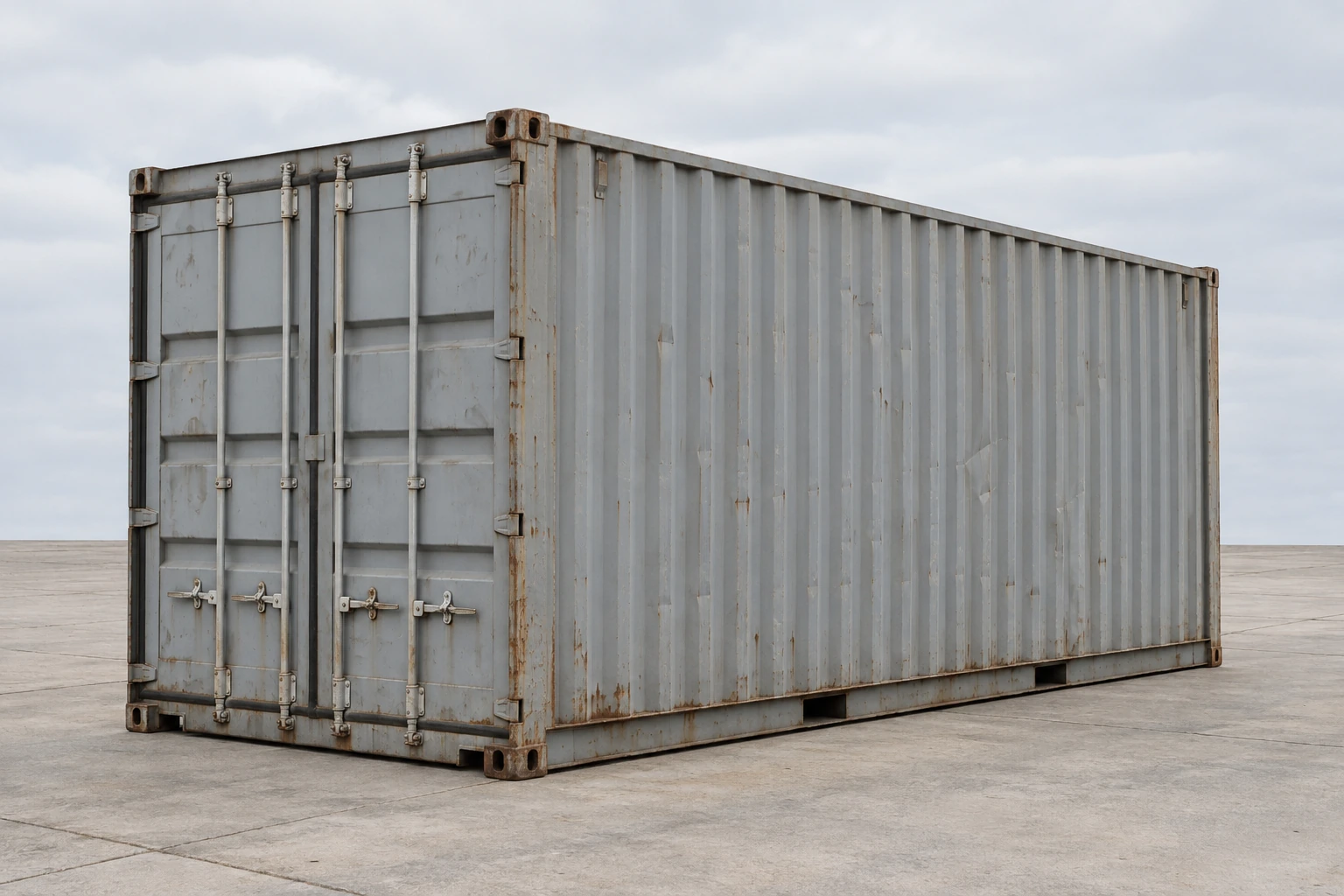
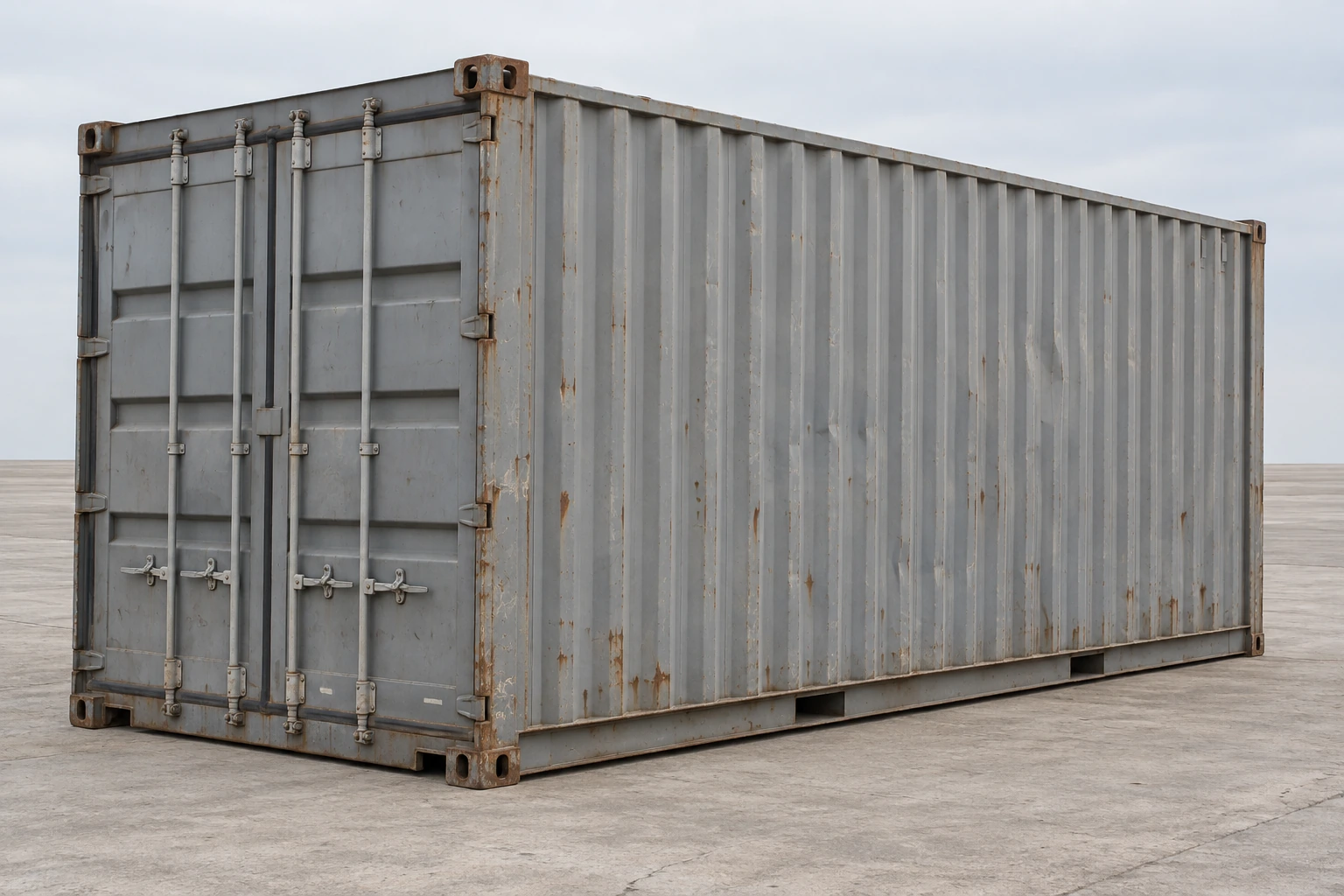
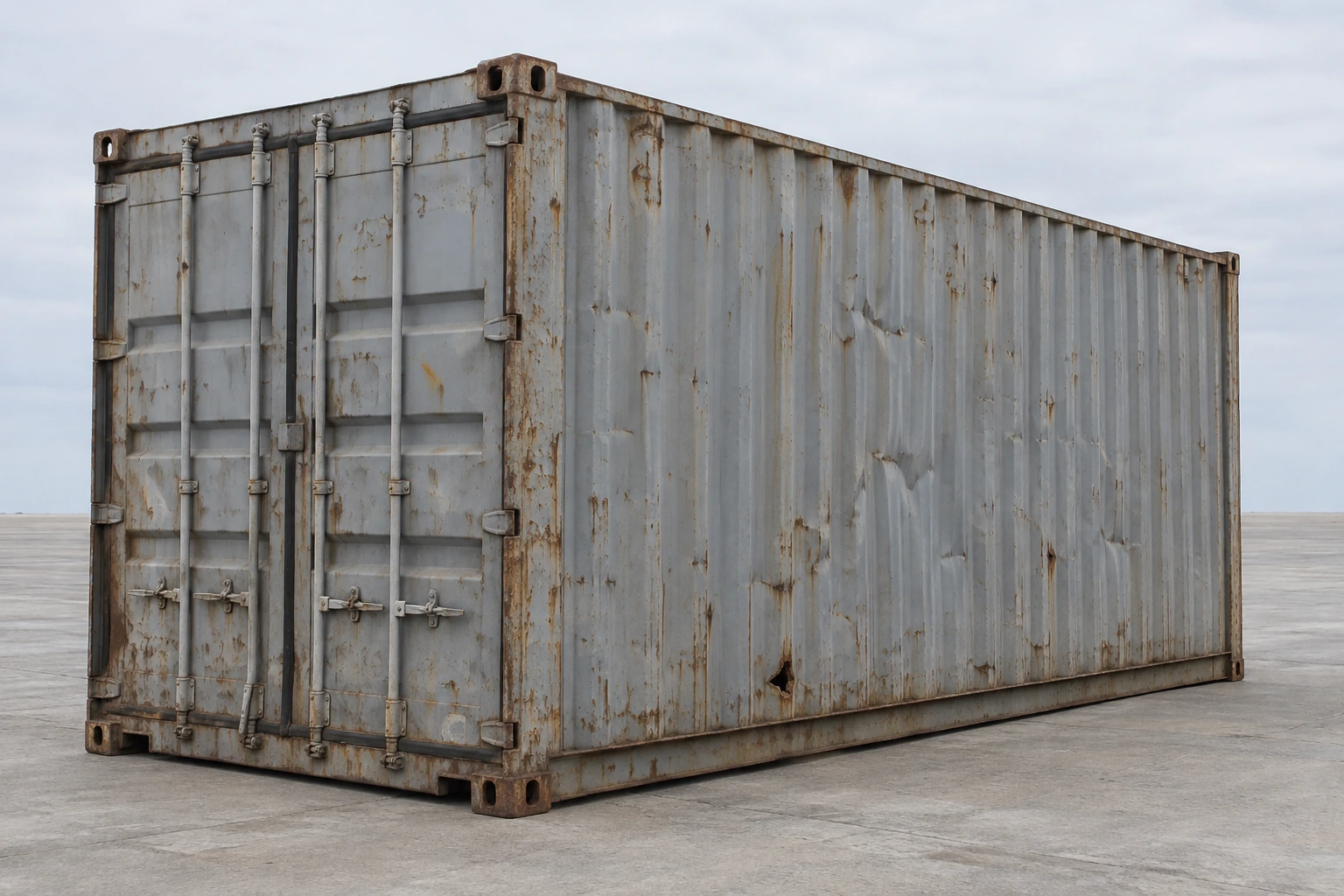
Photorealistic illustration of a gray damaged 20ft container with worn paint, rust perforations, side-panel dents and weathered cargo doors.
Illustration of possible repair needs. Actual as-is defects vary; inspect the offered unit.
20ft standardAs-is
Purchase basis
The unit's current condition and written terms
Not established by as-is
Water-tightness or cargo-worthiness
Essential comparison
Completed repair project versus usable alternative
Uninspected areas
Unresolved defects and costs
YOUR BUYING DECISION

Buy a defined repair project, starting with the actual unit

Before committingMake the answer specific
Which container?Identify the selected unit and its condition evidence; clarify substitution terms if selection is not available.
What is wrong with it?List the known holes, floor damage, corrosion, door defects and any structural concerns with their locations.
What remains unknown?Name the roof, underside or repaired areas that have not been inspected, rather than treating them as sound.
What does the sale include?Specify any repairs, loading assistance, documents and agreed reporting or remedy process. No included repair should be inferred from the name.

As-is describes a sale in the unit's present condition. It does not define a standard defect level or prove that the container can keep goods dry. Some offers may exclude repairs or condition warranties; read the written terms rather than assuming every as-is sale has the same conditions.

Ask for the actual container number, a current photo set and an opportunity for inspection. Record the disclosed defects, areas that could not be checked and any work the seller has explicitly agreed to do. A representative photo of an as-is stack cannot identify the repairs on the unit you will receive.

YOUR BUYING DECISION

Separate repairable defects from unanswered structural questions

Inspection should turn the advertised discount into a list of work. If key damage cannot be assessed, the savings are still unknown.

Roof, walls and corrosion

Identify holes, damaged seams, previous patches and areas of heavy corrosion. A surface coating and a steel repair are different jobs. Ask a qualified repairer to define the necessary work and how the affected areas will be checked afterward.

Floor, doors and practical access

Map damaged floor sections and inspect their supports where accessible. Have stiff or misaligned doors assessed, including hinges, seals and locking hardware. Price the specific work needed for the way you intend to load and retrieve goods.

Frame damage or incomplete inspection

For damaged corners, bent members, uncertain repairs or inaccessible critical areas, obtain a competent assessment before choosing the unit or arranging handling. A cheap shell is not a priced solution while its usable condition remains unresolved.

Persistent odors, residues and unknown cargo history can also make a shell unsuitable for the intended contents. Keep these questions in the inspection scope rather than assuming cleaning or new lining will resolve them.

YOUR BUYING DECISION

Does the repair project cost less than a usable WWT unit?

Compare two containers ready for the same job at the same location. The discount on the as-is shell is only the starting margin for all the extra work it requires.

Completed-project budgetInclude in the as-is option
Container purchaseThe identified shell and applicable purchase taxes.
AssessmentAny inspection or repair assessment needed to resolve defects before purchase or handling.
Necessary repairsPriced steel, flooring, door or seal work, with labor, materials and post-repair checks.
Cleaning and chosen finishWork needed for the intended contents, plus any repainting wanted for appearance.
Movement and handlingCollection, repair-shop transport if needed, unloading or lifting, final delivery and placement.
Site and storage setupSupports, access preparation and the equipment also required on the comparison unit.

Use written scopes and quotes for the known work. Count your own labor, tools and materials if you plan to do part of the job yourself. Keep uninspected damage outside the claimed saving until it has been resolved; an arbitrary repair allowance does not price an unknown structural problem.

If the completed as-is total approaches the delivered WWT total, consider whether the remaining saving justifies organizing repairs and waiting for completion. If the two options do not meet the same condition requirement, the comparison is unfinished.

Agree the repair schedule if the container must be usable by a project date. Include extra handling or transport in the chosen plan rather than assuming every repair can be done after the box is placed.

YOUR BUYING DECISION

When is an as-is unit a reasonable starting point?

ProjectDecision to make
A repair project with inspection accessConsider it when the defects, handling and finished condition can be assessed and priced before purchase.
Storage needed immediatelyCompare WWT first. An as-is unit is not ready merely because its nominal size fits the site.
Paper, furniture or sensitive equipmentResolve the shell's usable condition and environmental needs before placing the goods inside.
An occupied conversionHave the actual structure, floor and history assessed for the design; as-is does not establish a suitable building shell.
Cargo shippingDo not infer freight suitability. The unit would need appropriate condition, current examination evidence and carrier acceptance.

Temporary storage still needs conditions appropriate to what you store. A leak can damage goods during a short project, and a floor defect can interfere with loading on the first day. Set the required outcome before deciding which defects you can accept.

YOUR BUYING DECISION

Specify the repair result before installing the fit-out

Have the repair quote identify the damaged areas and proposed work, replacement materials where needed, the repair location and the completion checks. Keep necessary functional repairs separate from the finish you want. A fresh coat of paint does not document repaired steel, floor supports or a working door assembly.

Agree how the finished shell will be checked against your requirement before adding shelves, lining or electrical work. Those installations can conceal repaired areas or require removal if a defect is still unresolved.

Retain before-and-after photos and the repair record. If you want the finished unit to meet WWT storage requirements or a freight requirement, arrange the corresponding assessment; the purchase label does not change automatically when work is completed.

YOUR BUYING DECISION

Confirm handling before moving a damaged container

Tell the transporter and repairer about disclosed structural damage before booking collection. Let the responsible operator assess whether the planned handling method is appropriate for the actual unit. The fact that a container is listed for sale does not establish that any unloading method is suitable.

Choose where the repairs will take place before planning the final delivery. Work at a separate shop may add a second movement and handling charges; work at your site may need access around the shell and separate equipment.

Send site and access photos and confirm the truck's working space, ground conditions, lifting responsibilities and final door orientation. Record the actual unit and visible condition at collection and arrival so pre-existing defects can be distinguished from any transit discrepancy.

CHOOSE YOUR CONDITION

New / one-trip or used?

Compare the finish, buying budget and checks that matter to your project.

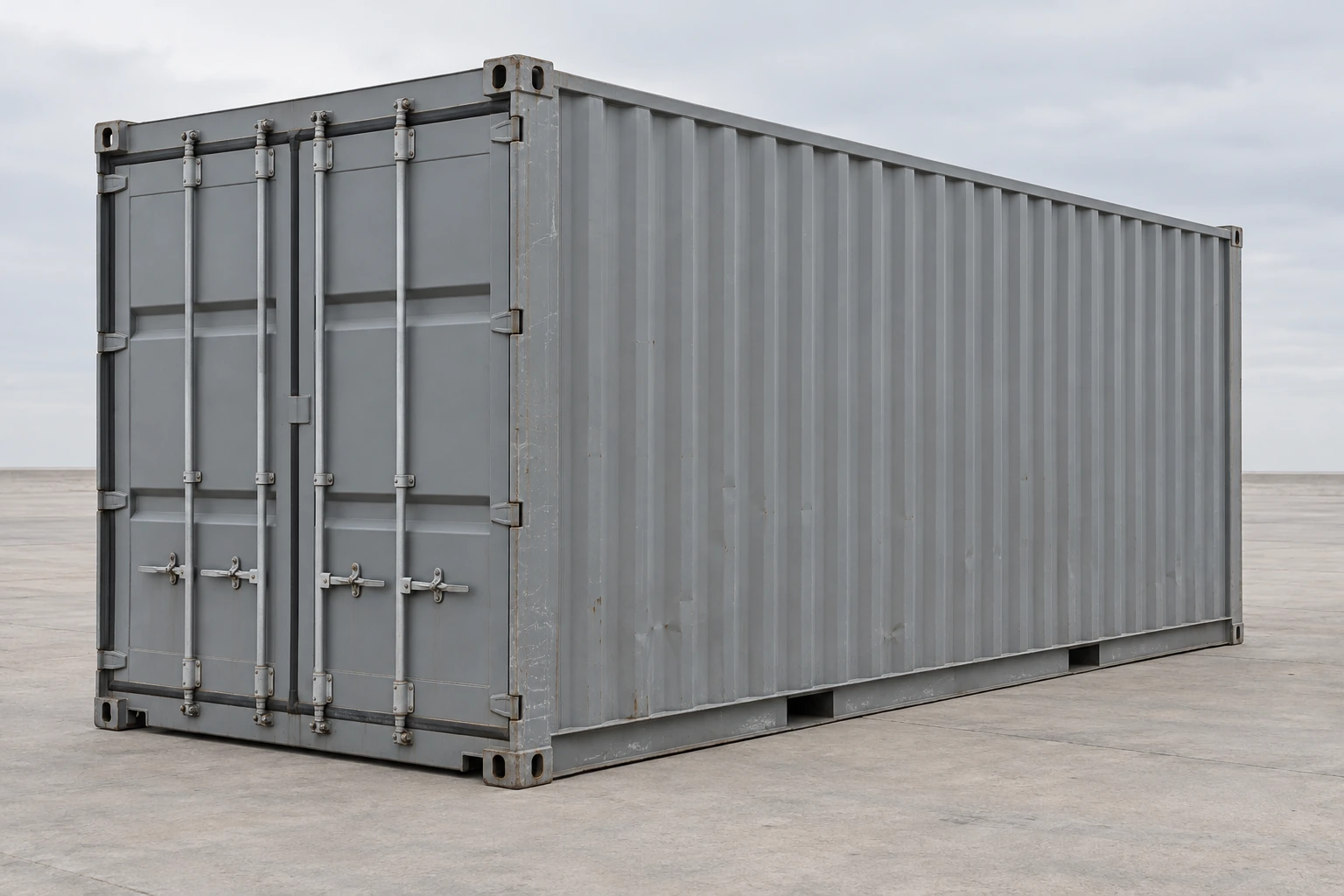
Illustration of a standard 20ft one-trip shipping container with closed end cargo doors and lightly marked painted steel sides.
Illustrative container. Confirm the actual unit before buying.
20ft / STANDARD HEIGHT

New / one-trip

A cleaner finish, with less visible wear. Check the included features and any handling marks.

Explore 20ft new / one-trip →
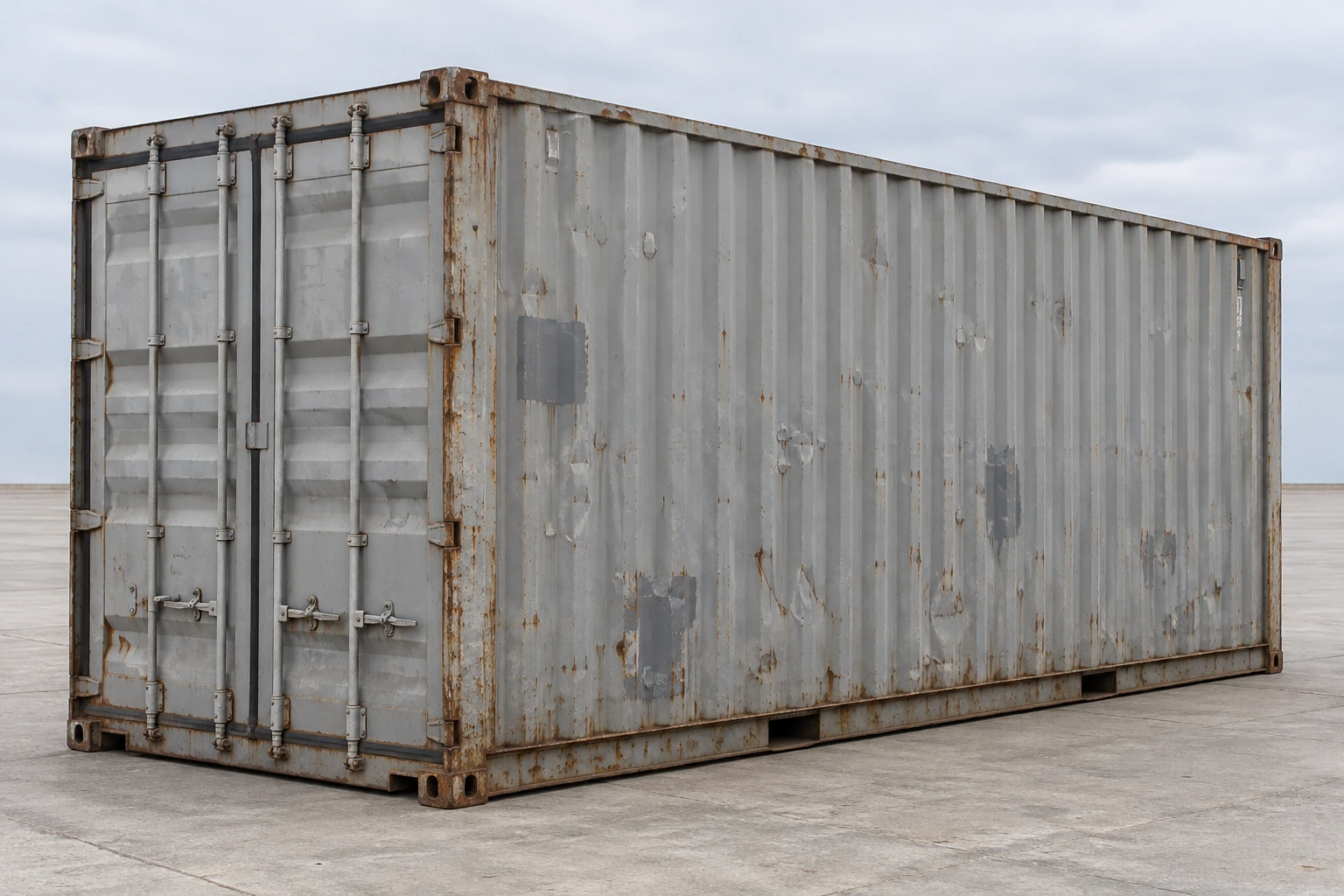
Illustration of a used standard 20ft shipping container with closed end cargo doors, worn paint and small exterior dents.
Illustrative container. Confirm the actual unit before buying.
20ft / STANDARD HEIGHT

Used

Compare storage and cargo-worthy options. Check the actual floor, doors, repairs and weather sealing.

Explore 20ft used →

Choose the used grade for your job

Used describes previous service. The grade and the evidence behind it determine what you can buy it for.

Photorealistic illustration of a gray used 20ft container with closed cargo doors, intact side panels, worn paint and localized surface rust.
Condition illustration. Appearance does not prove weather sealing; check the actual unit.
20ft / USED GRADE

Wind & watertight

For storage: compare weather sealing, floor condition and working doors. A WWT label does not establish approval for ocean shipping.

Explore wind & watertight →
Photorealistic illustration of a gray used 20ft container with straight side panels, aligned cargo doors, complete locking hardware and surface wear.
Condition illustration. Appearance does not establish cargo-worthiness or certification.
20ft / USED GRADE

Cargo-worthy

For a transport project: compare the actual inspection, CSC examination records and acceptance by your intended carrier.

Explore cargo-worthy →
Photorealistic illustration of a gray damaged 20ft container with worn paint, rust perforations, side-panel dents and weathered cargo doors.
Illustration of possible repair needs. Actual as-is defects vary; inspect the offered unit.
20ft / USED GRADE

As-is

For a repair project: identify the defects and price the work before comparing the complete cost with a usable container.

You are viewing this grade
Photorealistic illustration of a gray 20ft container with mostly intact paint, light handling scratches and small shallow dents.
Condition illustration. Light wear does not verify journey history or the seller’s grade.
20ft / USED GRADE

Multi-trip / limited use

Compare an offer described as lightly used with one-trip. Confirm the actual history and finish; the label is defined by the seller.

Explore multi-trip / limited use →
Photorealistic illustration of a gray used 20ft container with faded paint, shallow dents, repair patches and surface corrosion.
Condition illustration. Worn paint and repairs do not establish sealing or structural condition.
20ft / USED GRADE

Economy grade

Compare budget storage offers by the defects accepted and the protection included. Economy does not automatically mean WWT or as-is.

Explore economy grade →

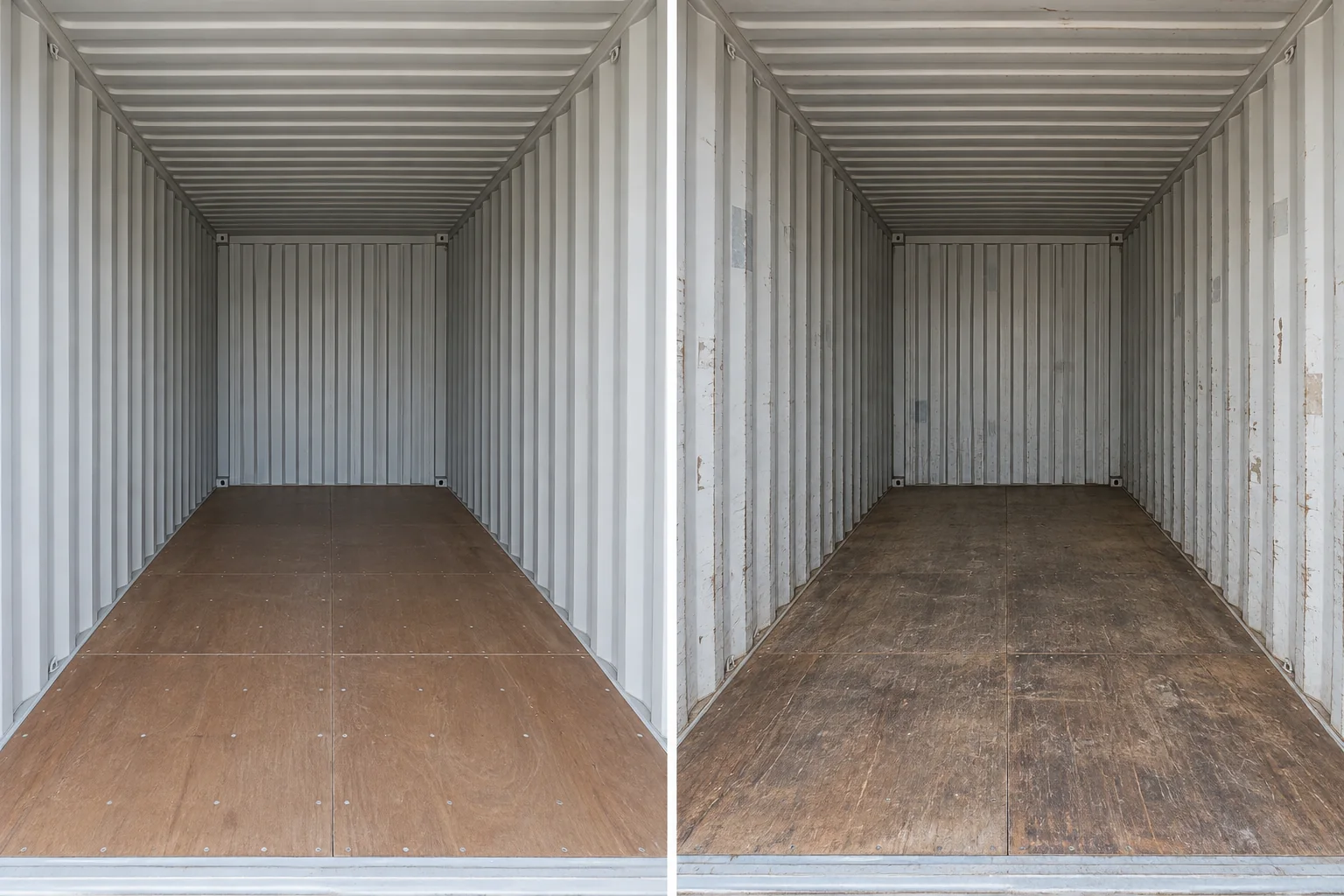
Look inside, too.

Compare the floor surface, wall wear and visible repairs, then request close-up photos of the actual unit.

New / one-tripUsed
Illustrative 20ft interiors compared side by side: new or one-trip on the left and used on the right.
Illustrative interiors. Appearance does not establish cleanliness, cargo history or floor strength.

Illustrative appearances. Paint and rust alone do not establish weather-tightness or suitability for shipping.

BEFORE YOU ORDER

Your buying questions

Is an as-is 20ft container wind and watertight?

As-is does not establish that. It may have holes, failed seals or other defects. Check the actual unit and sale terms; if your project requires WWT condition, define the necessary repairs and how the finished result will be assessed.

Are repairs included in the as-is price?

Only work explicitly included in the written order can be counted as included. Confirm any agreed repair scope and handover checks. Otherwise, budget for the work, materials, labor and related handling separately.

Can I repaint an as-is container and use it for storage?

Painting addresses the finish. First assess the shell, floor, doors and any contamination concerns and resolve the work needed for your storage requirement. A new coating alone does not establish water-tightness or structural condition.

How much should I allow for repairing an as-is container?

Use a quote for the identified defects on the actual unit, including inspection, materials, labor, checks and any extra transport. There is no reliable allowance from the grade name alone. Uninspected defects remain an unresolved cost in the comparison.

YOUR CONTAINER. YOUR DELIVERY ZIP.

Compare the complete delivered cost.

Include the condition, unloading and any work your container needs.

Get My Best Price →