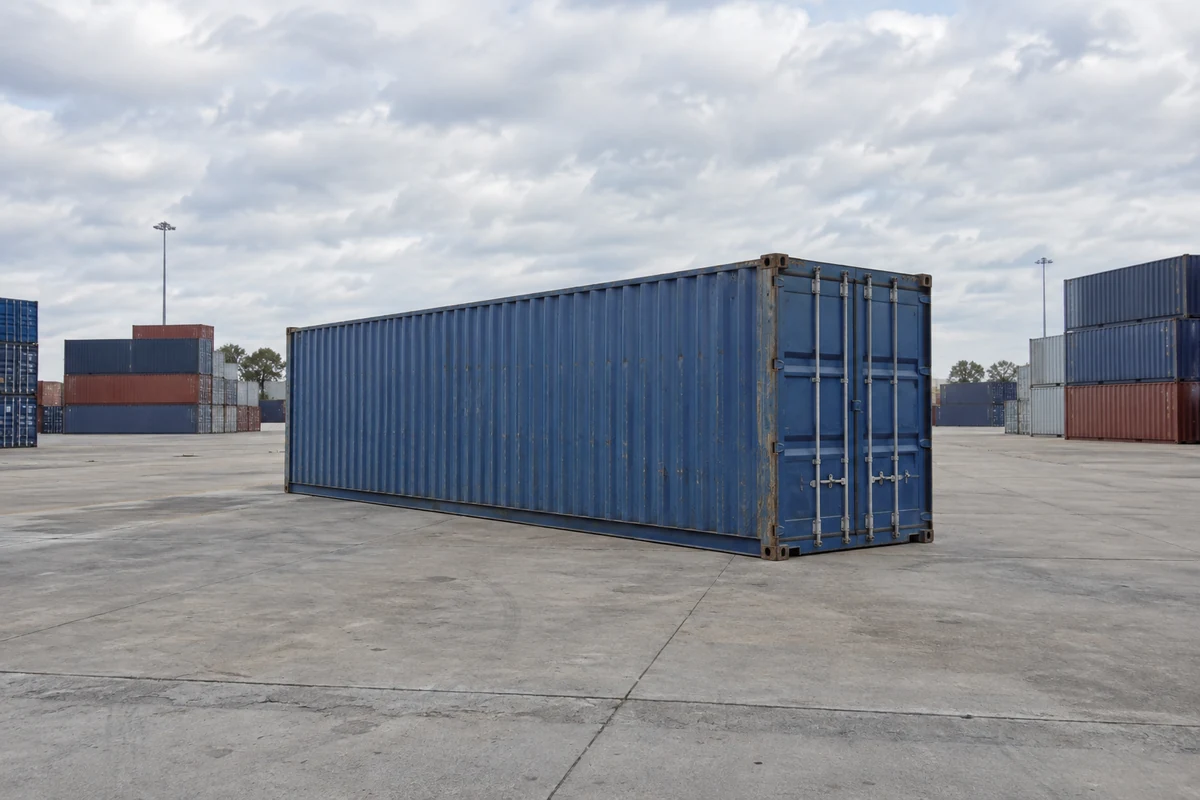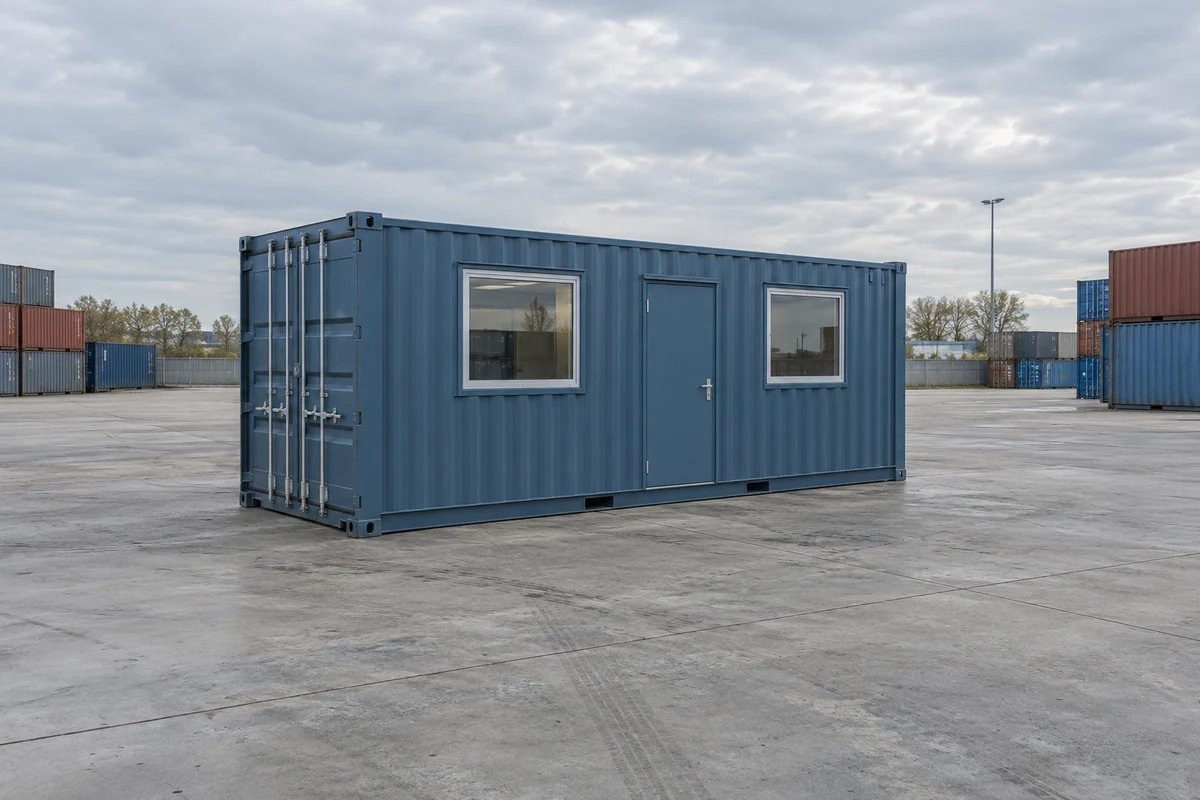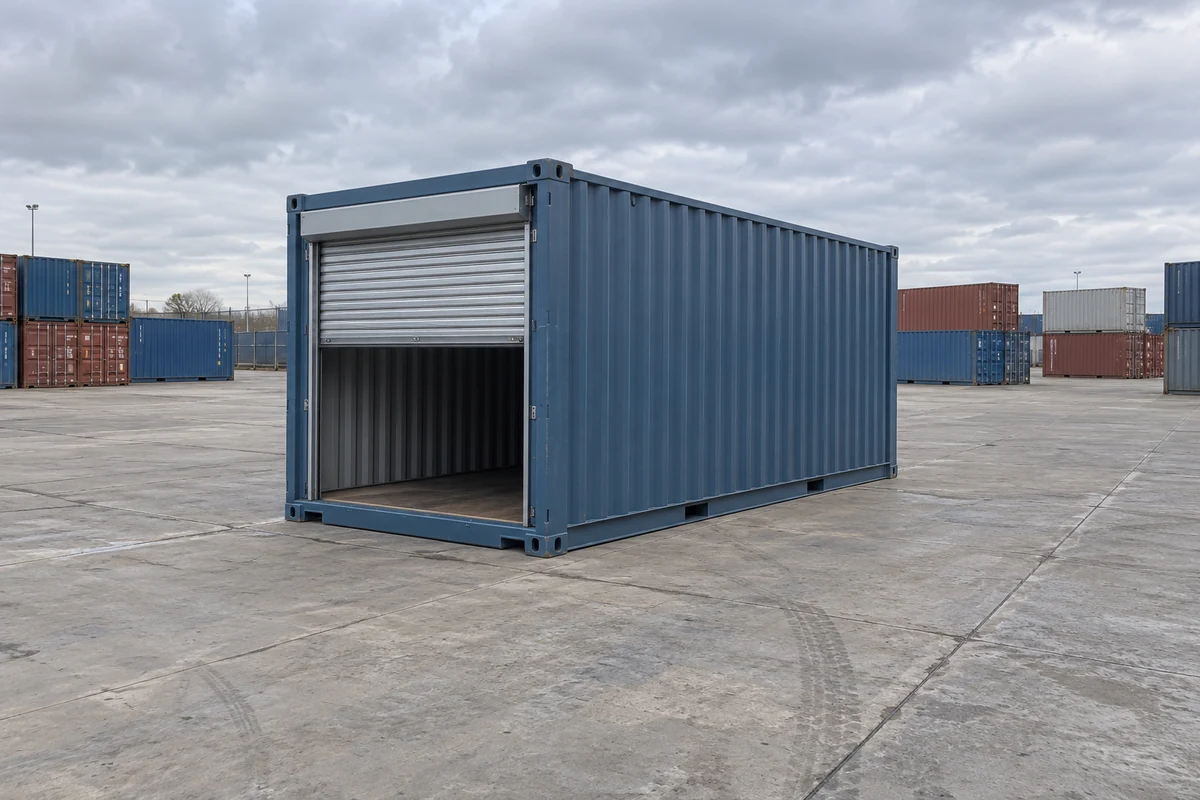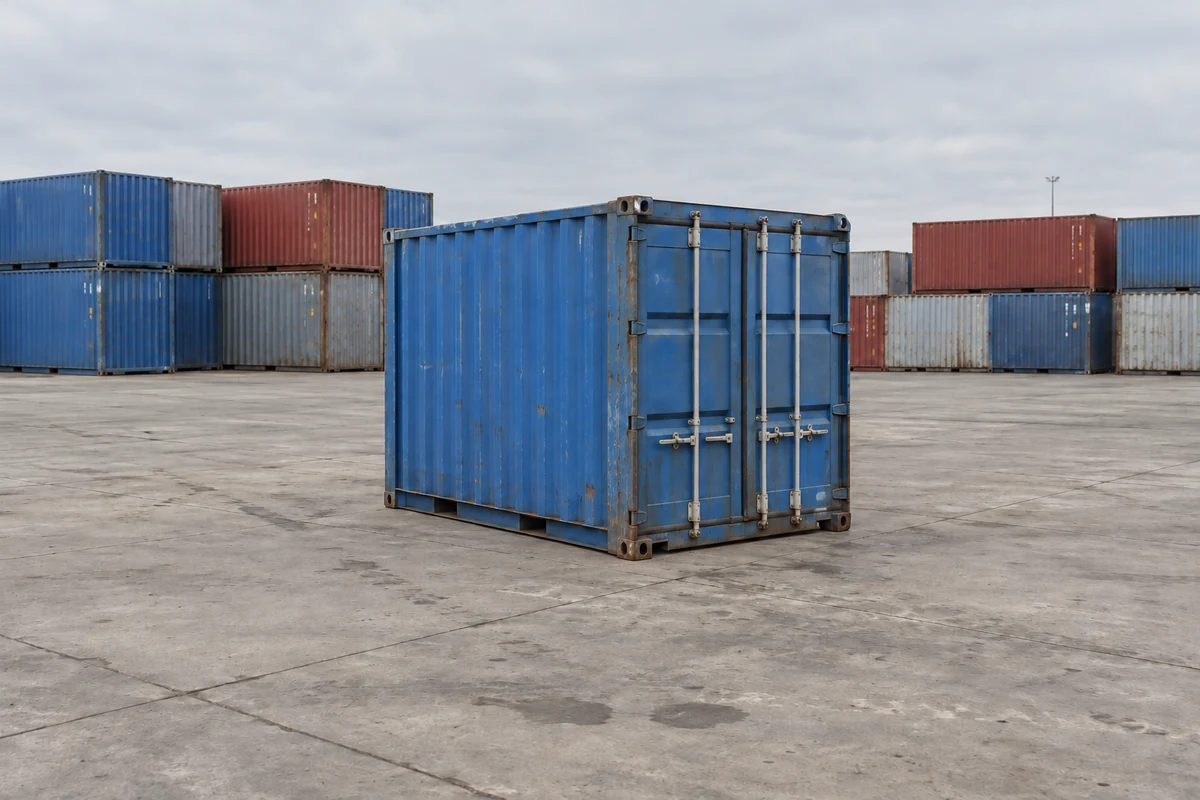
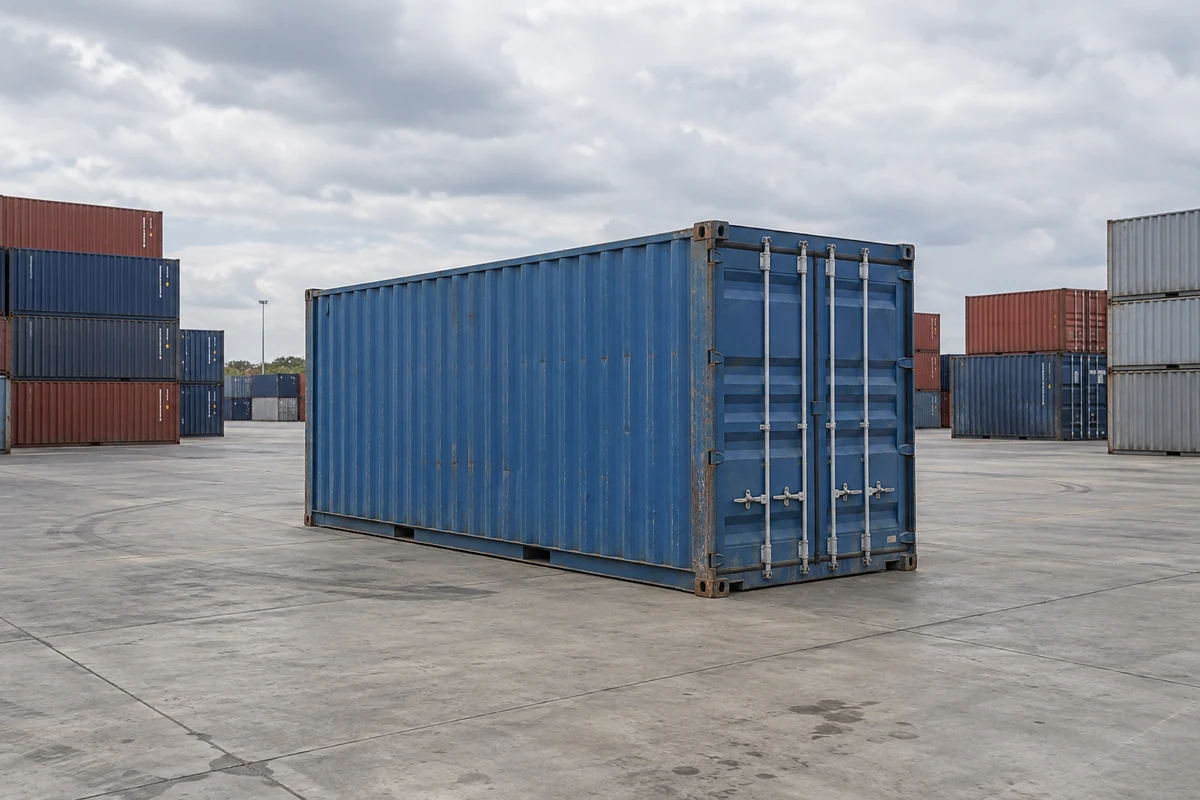
20ft standard container — used
- Used
From NZ$3,335
Advertised price, checked 16 Oct 2026 · incl. GST · before delivery
Delivery quoted to your postcode
Compare offers from multiple suppliers. Find the right price for your project.
Choose construction storage around the crew’s daily routine. Compare 20ft and 40ft containers, put the right items within reach, and plan access as the site changes. If you intend to buy, include future projects and relocation in the decision; for a single job, compare a hire quote on the same scope.
Prepare a quote request →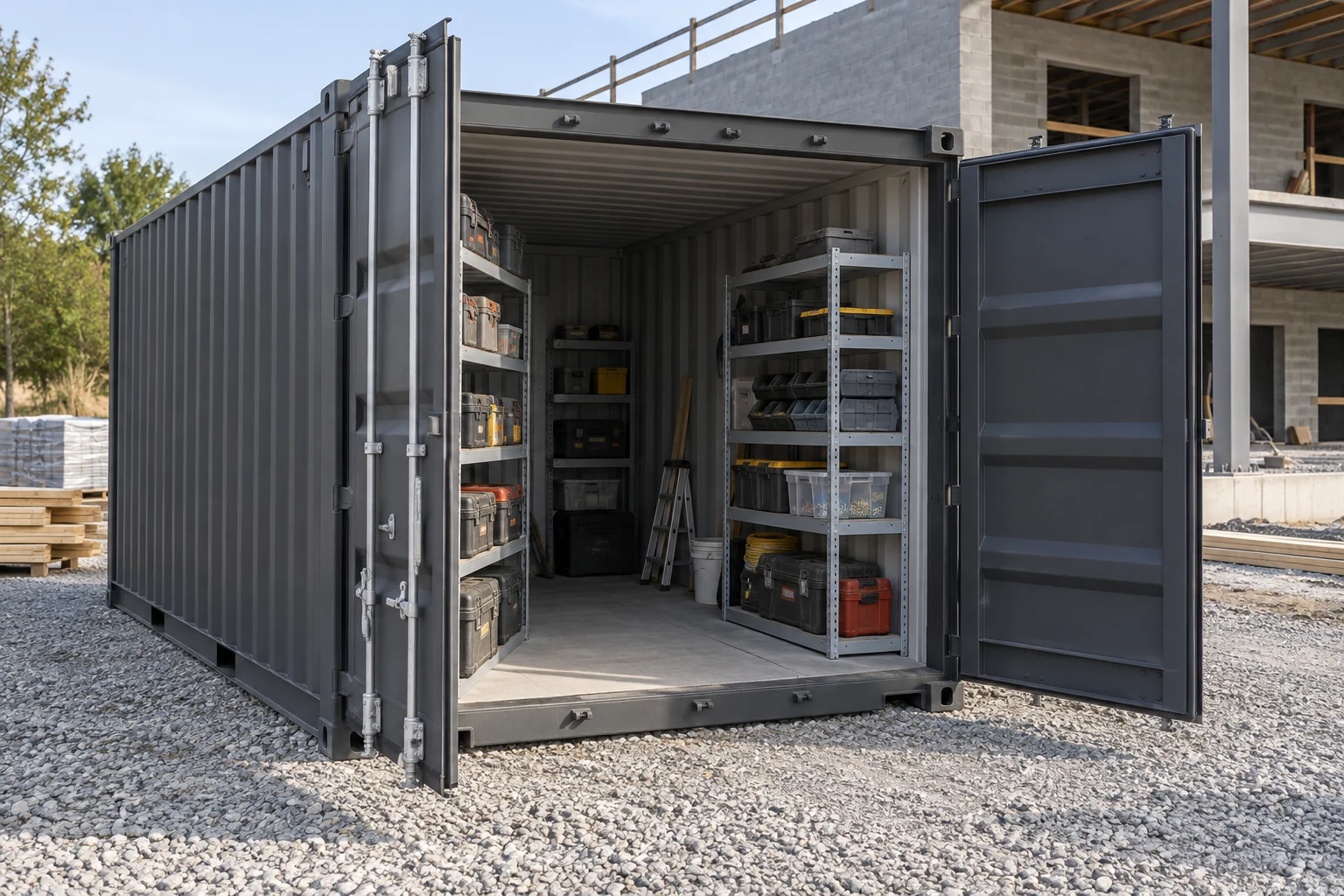
From NZ$3,335
Advertised price, checked 16 Oct 2026 · incl. GST · before delivery
Delivery quoted to your postcode
Price on request
Delivery quoted to your postcode
Price on request
Delivery quoted to your postcode
From NZ$3,200
Advertised price, checked 16 Oct 2026 · ex. GST · before delivery
Delivery quoted to your postcode
Prices are examples advertised by sellers on the date shown, not ContainerPick offers. Stock, condition and the delivered total are confirmed in each quote.
A daily tool store should let the crew collect equipment without shifting a wall of supplies. Bulk materials need a loading route and a place to stage them. A unit moving between projects needs those same features plus a plan for emptying, transport and its next site.
Specify the contents early. Ordinary dry storage is different from controlled-temperature storage or a specialised unit for hazardous materials. An office, break room or toilet is also a separate requirement, even when it sits beside the storage container.
| Construction site need | Layout priority | Include in the request |
|---|---|---|
| Daily crew tools | Frequently used cases near the entrance; labelled shelving | Access frequency, shelf system and lock requirements |
| Long or bulky materials | Continuous loading route and compatible racks | Item lengths, package sizes and loading method |
| Reusable company storage | Adaptable layout with a clear move-out route | Later sites, relocation method and expected modifications |
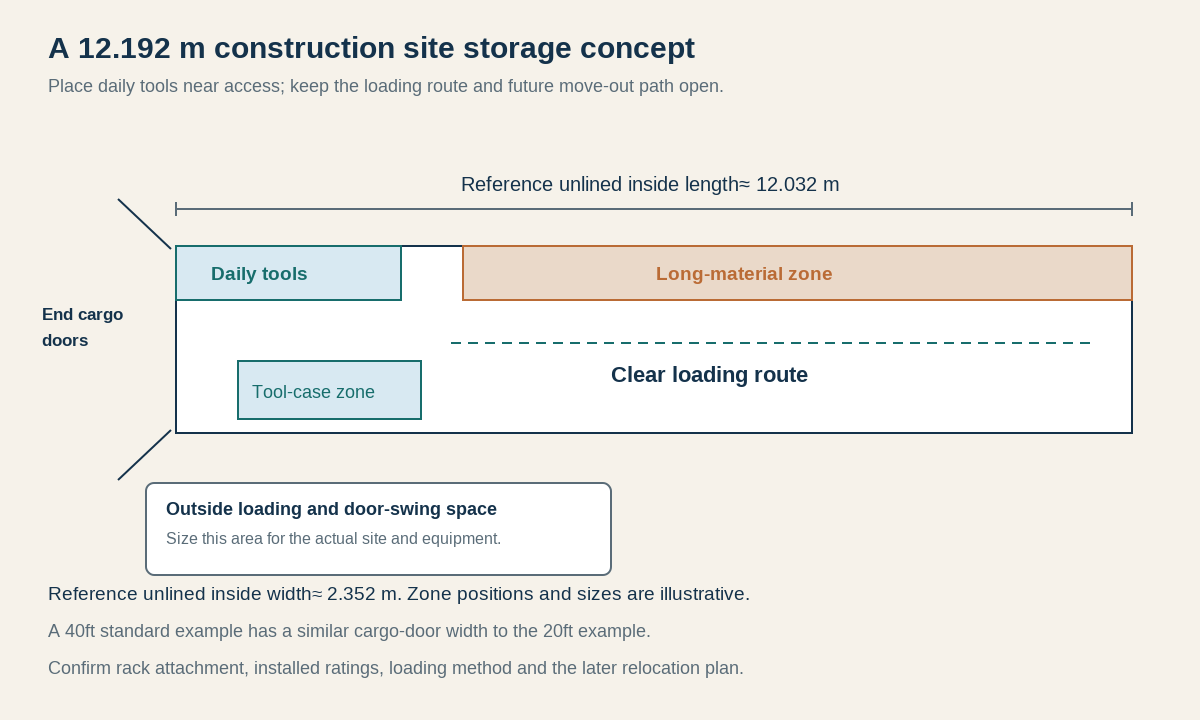
A 40ft unit adds length; it does not make a standard cargo entrance wider. Use a dimensioned layout to decide where materials will sit and how they will be retrieved. The examples below are unlined standard containers with manufacturer-dependent measurements.
The illustrated 40ft concept keeps frequently used tools toward the cargo entrance and long materials farther along one wall. Its zones are planning assumptions, not a rated storage system or a promised quantity of equipment. For shelving and racks, confirm the installed configuration, attachment method and load limits.
| Reference example | Approximate inside size | Cargo-door example | Access tradeoff |
|---|---|---|---|
| 20ft GP NZ example | 5.898 × 2.352 × 2.395 m | 2.340 × 2.280 m | Shorter route to the rear; less room for separate storage zones |
| 40ft GP NZ example | 12.032 × 2.352 × 2.395 m | 2.340 × 2.280 m | More length for materials; rear access needs deliberate organisation |
Compare end doors, doors at both ends and side access when frequent loading justifies them. Check the actual opening and the space needed outside it. A side opening or additional entrance must be part of the quoted configuration.
Swipe or scroll to read the diagram.
Buying gives you a unit to retain and configure for later work. It also leaves you responsible for where it goes when the project ends. Hiring can suit a defined project with collection afterward, subject to the hire provider’s terms and the modifications allowed.
There is no reliable break-even month without comparable quotes. For hire, include the billing period, delivery, collection and all quoted extras. For purchase, include the unit, fitted work, delivery, site preparation and any moves you expect during the comparison period. Keep any assumed resale value separate from confirmed costs.
| Decision | Buying becomes more relevant when… | Hire deserves a closer comparison when… |
|---|---|---|
| Use after this job | You have repeated storage needs and a next location | You intend to return the unit at the end of a defined project |
| Customisation | The layout or access changes are important to ongoing use | An available standard configuration meets the need |
| Site and moving | You can arrange storage and transport between projects | Provider collection is part of the required scope |
This page helps you plan a purchase and compare alternatives. A hire booking or hire inventory offer needs confirmation from the provider offering it.
List the door position and swing direction, lock requirements, shelving or rack type, and what is included with each accessory. Some shelf systems are supplied as brackets rather than complete shelves. Ask for the installed load rating and the components required to use the system.
A lockbox can limit access to a compatible lock, but the lock, doors, hardware and site practices work together. Specify who receives keys and how the crew will close the unit. For an existing container, compare current photos, door operation, seals, floor and repair records rather than relying on a grade label alone.
Send a sketch showing the container position and door orientation, the truck route, overhead obstructions and the unloading area. Agree a firm, level, drained placement and the support arrangement. The transporter must confirm clearances for the actual truck, trailer and unloading method.
Revisit that sketch as works progress. Fences, stockpiles, excavations and temporary cabins can block a route that was open on delivery day. Keep a loading area at the doors and reserve the access needed for pickup or relocation.
Include the delivery postcode, project duration, future use, stored materials, preferred size and access configuration. Add the shelving and security specification, a site sketch and approach photos. Ask for current unit selection details and an itemised price with delivery and unloading.
Keep purchase and hire comparisons in separate columns so the same delivery, accessories and end-of-project responsibilities are visible. Review your request, then send it through the quote form with your consent, or copy or download it for your supplier discussions.
Compare the complete purchase and hire scope, then decide what happens when the job finishes. Buying can still make sense for later projects or required customisation, but relocation and storage between jobs belong in the comparison.
It provides more length, which can help with long materials and separate zones. It also creates a longer route to the rear. A 20ft layout with the right access can be more practical when the crew retrieves tools frequently or the site is constrained.
Describe the exact contents and required conditions first. A dry container does not actively regulate temperature or humidity. Temperature-sensitive or hazardous materials may need specialised equipment and handling arrangements.
Inclusions vary by unit and offer. Get the complete accessory schedule, lock compatibility and installed shelving specification in writing. Do not assume items shown in an illustration are supplied.
Have the transporter confirm the move method, unit condition, actual load and requirements for securing or removing contents. Do not treat a cargo payload figure as permission to lift or relocate a stocked unit using any available equipment.