
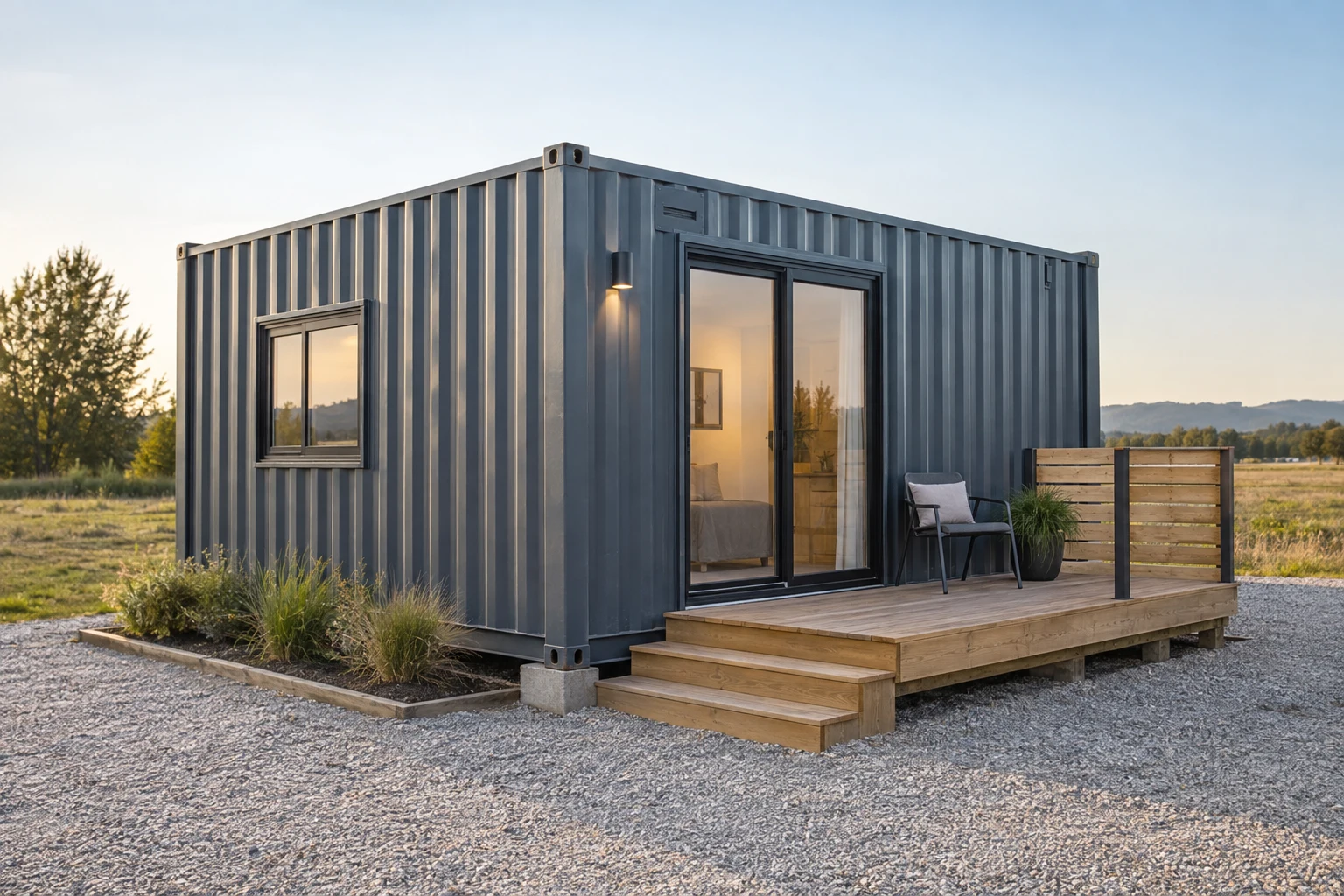
Choose the level of completion you need
| Option to compare | What to request | Who needs to finish the project |
|---|---|---|
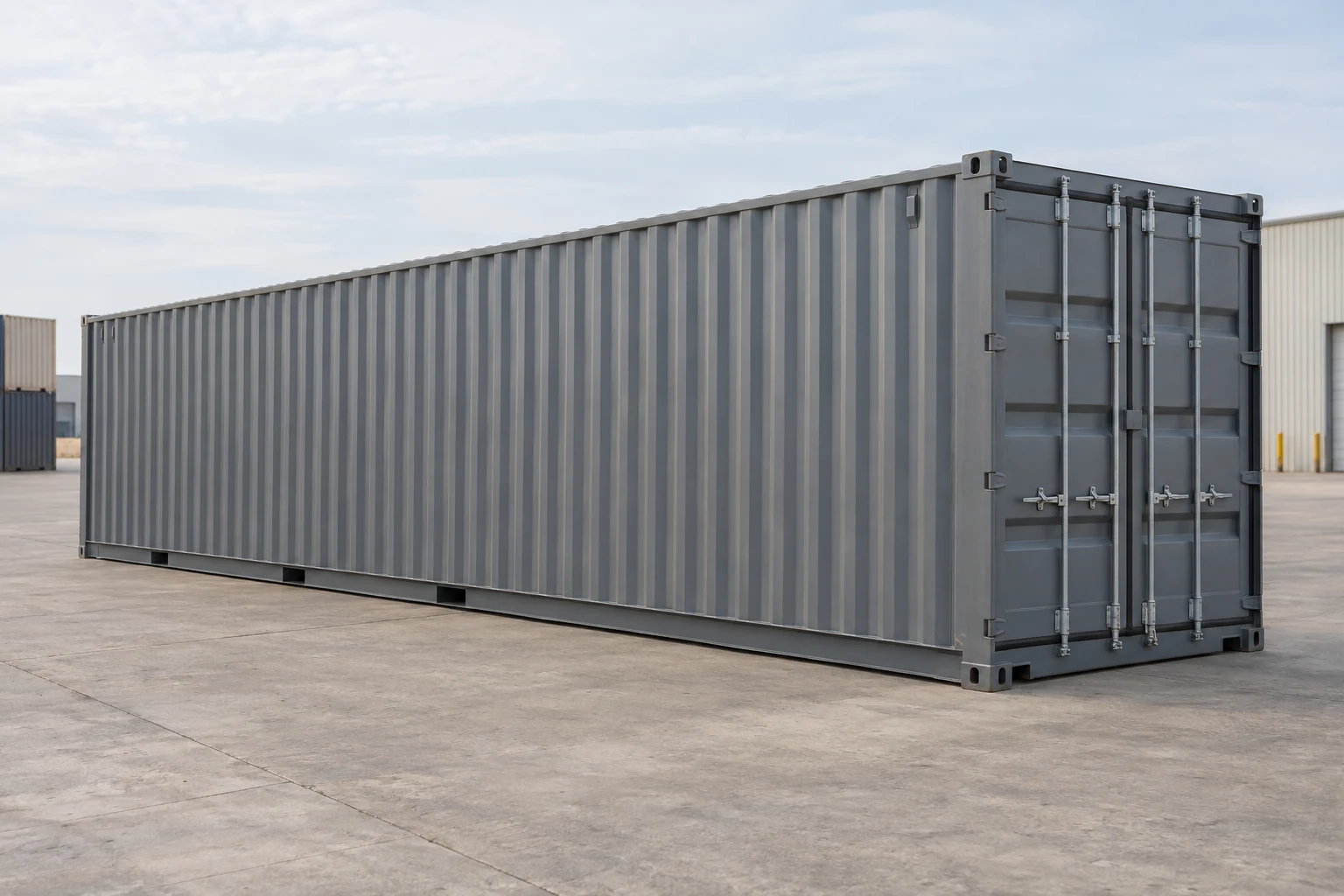 Cargo container shell | Actual container identity and condition, inspection findings and a design assessment before conversion. | Your designer and contractors define and carry out the dwelling conversion and site work. |
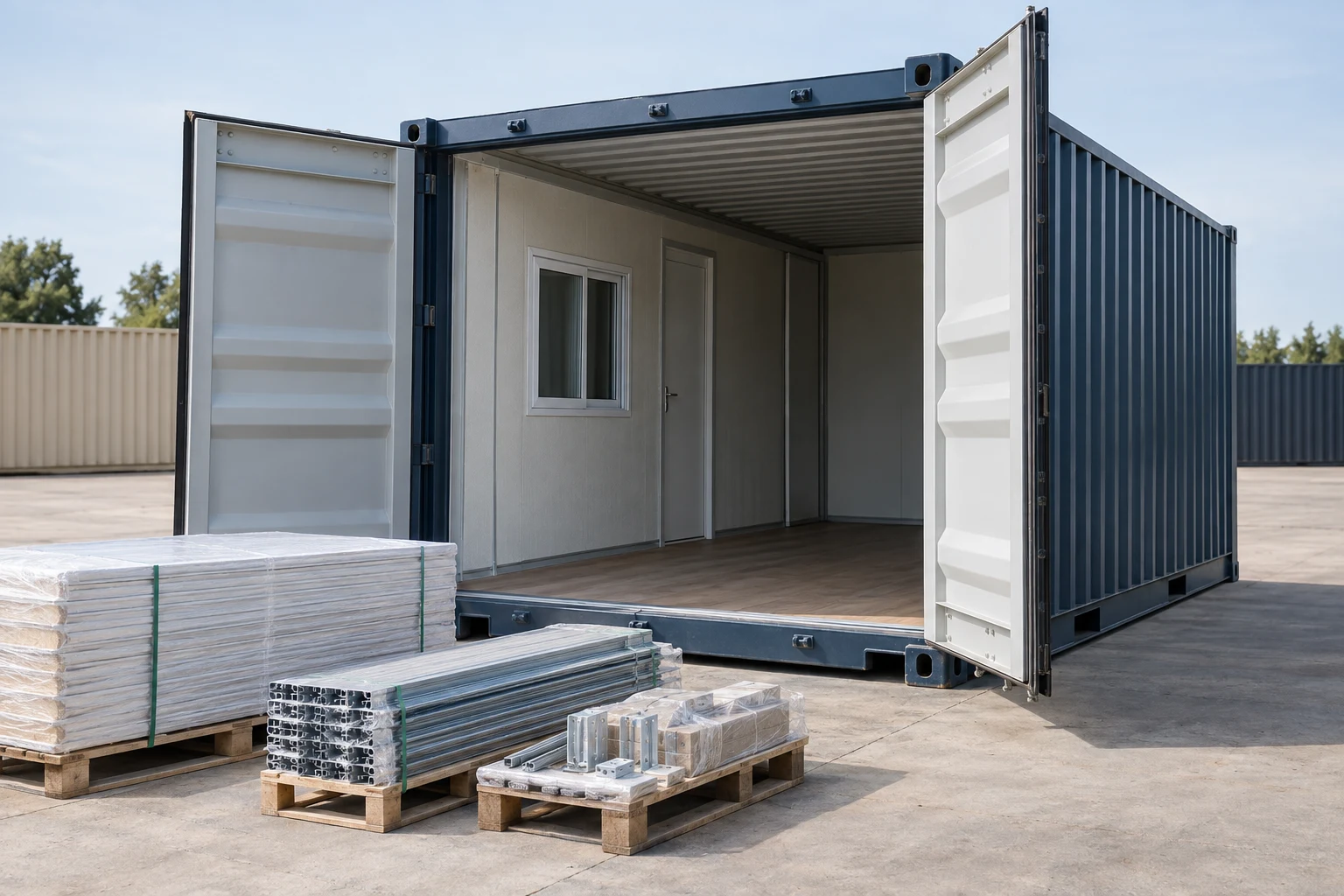 Container home kit | A component list, drawings, the condition and completion of the shell and a clear list of systems and finishes included. | Identify who assembles the kit, finishes the home and obtains the required project approvals. |
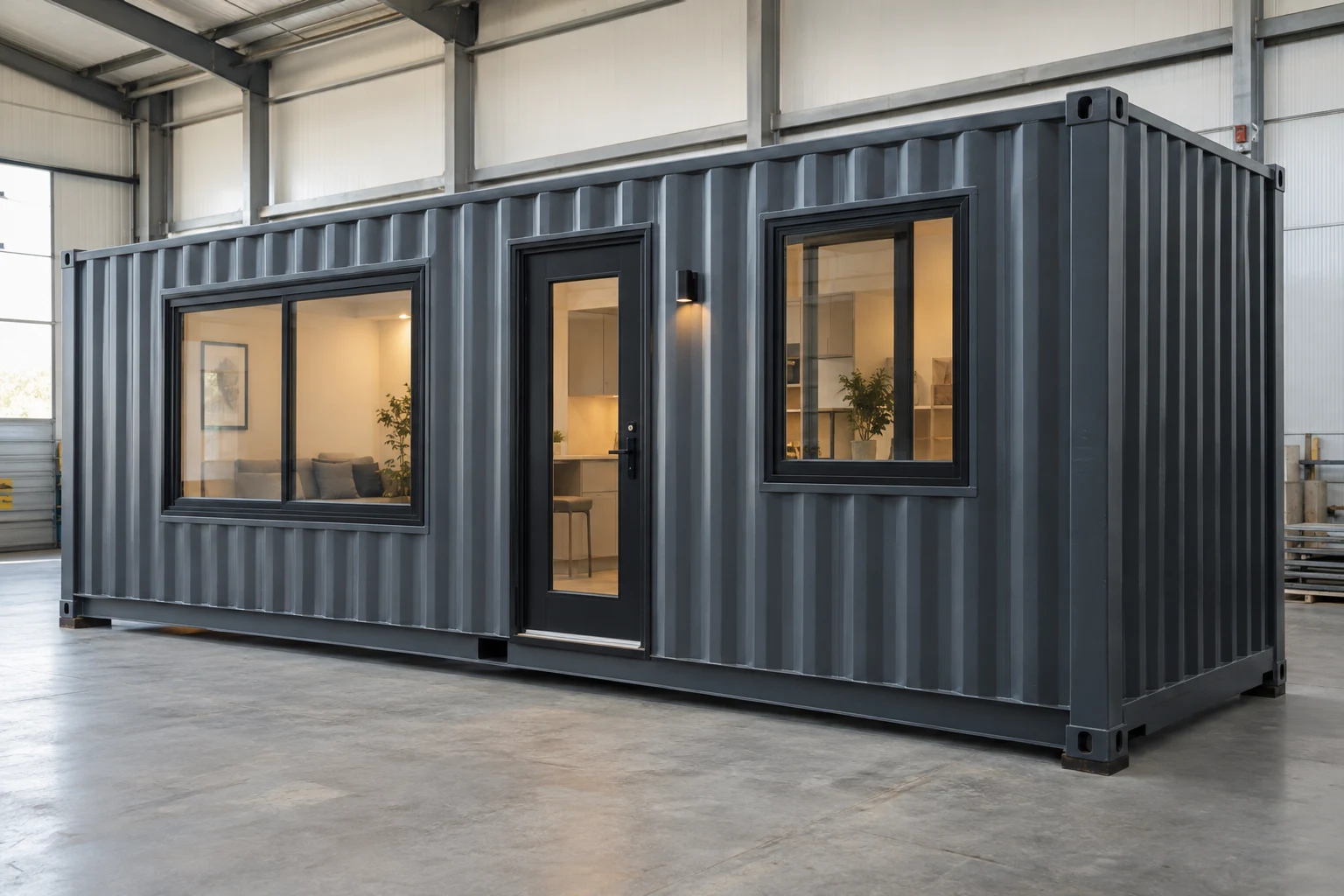 Factory-finished or prefab home | Finished layout, building-system documents, exact factory inclusions and instructions for site installation. | Assign the foundation, unloading, connections and final site checks in writing. |
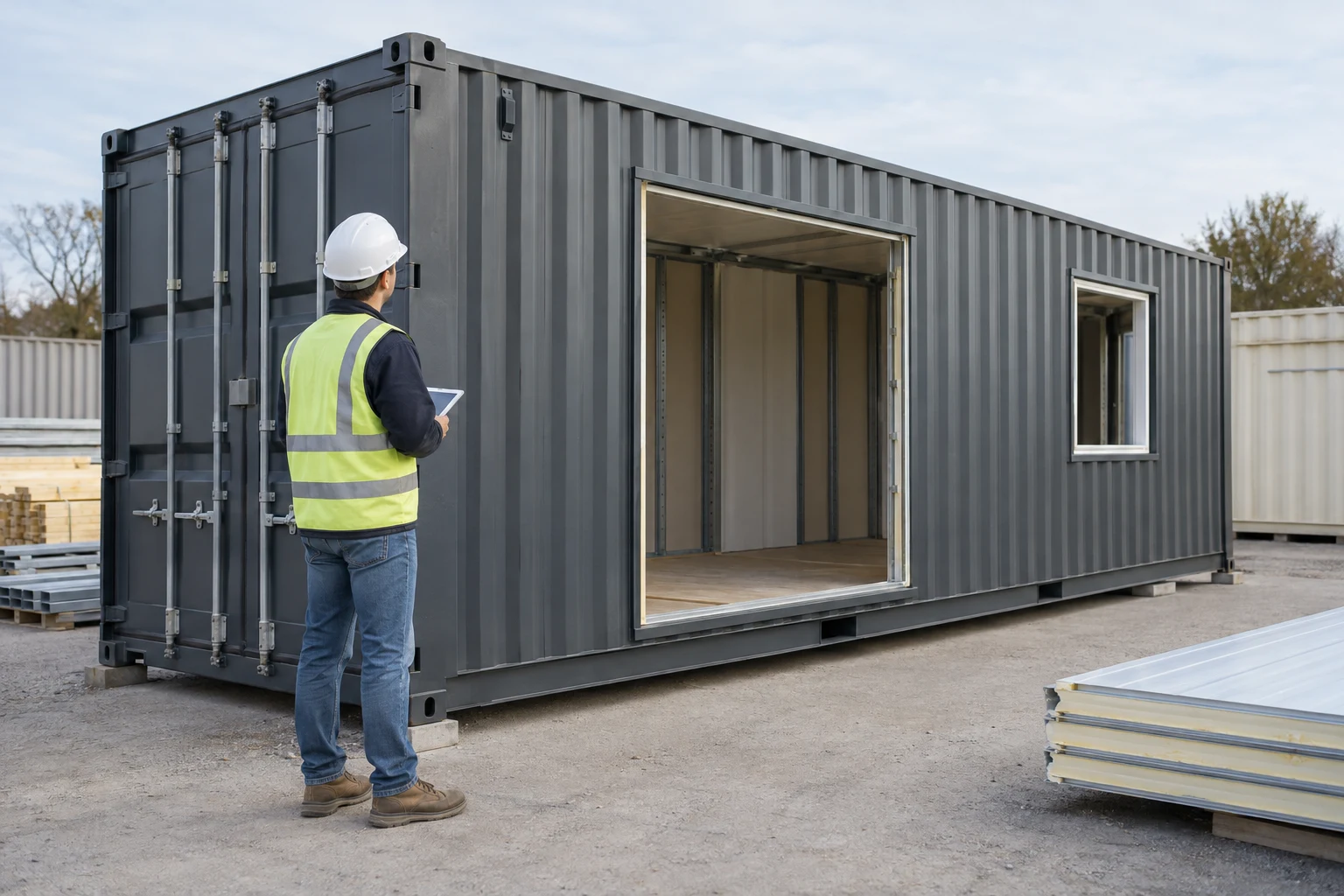 Custom container home | Design deliverables, the construction scope, project responsibilities and the basis for pricing changes. | Confirm whether one contractor coordinates the full project or several contracts meet at the site. |
Compare a home you can live in, room by room
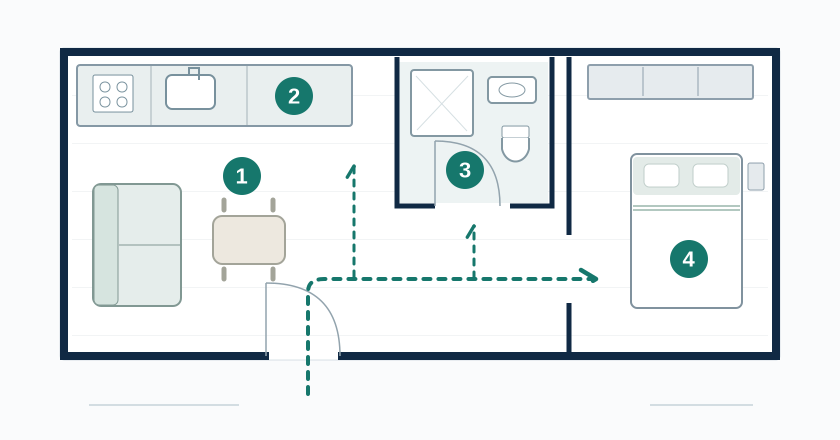
Start with the occupants, bedrooms, bathrooms, cooking needs and storage. Ask for finished interior dimensions with walls, insulation, equipment and partitions included. A nominal 20ft or 40ft container size does not tell you how much clear space remains inside a completed home.
Walk through the plan as an everyday routine: entering with groceries, using the bathroom, opening a bed or sofa, cooking and reaching storage. Check door swings, furniture footprints and space around fixtures. For several connected containers, ask how structural work and the connections between rooms affect the usable layout.
- For a backyard dwelling, qualify the minor dwelling use and parcel before choosing a model.
- For a cabin, describe the length and season of stays, utilities and the intended site.
- For a main home, list the household's needs and ask how the project will be assessed for that use.
Compare written offers on the same basis
Send each seller or builder the same project details. Ask them to mark each item included, priced separately, supplied by you or still unknown.
| Comparison item | Information that makes the offer useful |
|---|---|
| Building supplied | Actual system, container origin where relevant, condition, room layout, finished dimensions and included fittings. |
| Documents | Drawings, engineering and factory records supplied, plus work needed to adapt them to the property. |
| Delivery and placement | Transport destination, unloading method, placement responsibility and access assumptions. |
| Property work | Foundation, grading, drainage, utility connections and any separate local installation contract. |
| Handover and support | Completion checks, documents, warranty scope and the party responsible for defects or missing work. |
Check the property before committing to a building
Give the local council and building consent authority a description of the proposed dwelling use, building system and placement. Ask which building consent or eligible exemption route applies, whether resource consent is required under the district or unitary plan, and which documents are needed from the manufacturer, designer and local installer. A seller's use of prefab, modular or moveable does not settle that review.
Have the project team check access, foundation needs, drainage and water, wastewater and electrical service. Confirm who can inspect work completed in the factory and who will inspect site work. Keep the answers with the offer so a missing document or site item can be resolved before ordering.
In New Zealand, check the intended dwelling use with the local council before choosing a unit. Building consent, any eligible exemption and resource consent are separate questions. Assess ground conditions, natural hazards, services and access; a container format alone establishes none of these.
Match your next step to the decision you still need to make
- Choose the cost guide when you need to separate the building price from the full project budget.
- Use the floor-plan guide to compare usable rooms and the drawing package.
- Use the builder comparison when you need a designer, manufacturer or local contractor.
- Compare kits with prefab homes when your main decision is how much work to buy completed.
Describe your home project clearly
Record the intended use, final postcode, land status, required rooms, preferred completion level and which work you expect a supplier to include. Add available site information, access photos and any requirements already confirmed with the local authority.
Use the request builder for an editable starting point. Choose the appropriate Container type, such as Container home or Container minor dwelling, and select Container home / living space for Intended use. Describe the dwelling and site requirements in the Anything else we should include? field and review the final summary. You can edit, copy or download it before choosing a recipient; send it through the quote form with your consent when you are ready. A supplier must confirm the offer.
Buying questions
Is a shipping container house listing a complete home price?
Check the scope attached to that price. Ask whether it covers a shell, a partially completed conversion or a fitted building, then itemise transport, placement, property work, connections and project approvals separately.
Can I start with a used shipping container?
A used shell can be considered for conversion after its actual condition, identity and suitability have been assessed for the design. Buying a container does not establish that it can become an approved dwelling on your property.
What does turnkey mean in a container home offer?
Ask the seller to define the handover condition in writing. Identify the fixtures and appliances, foundation, unloading, connections, inspection work and documents included. Assign any remaining work before comparing it with another offer.