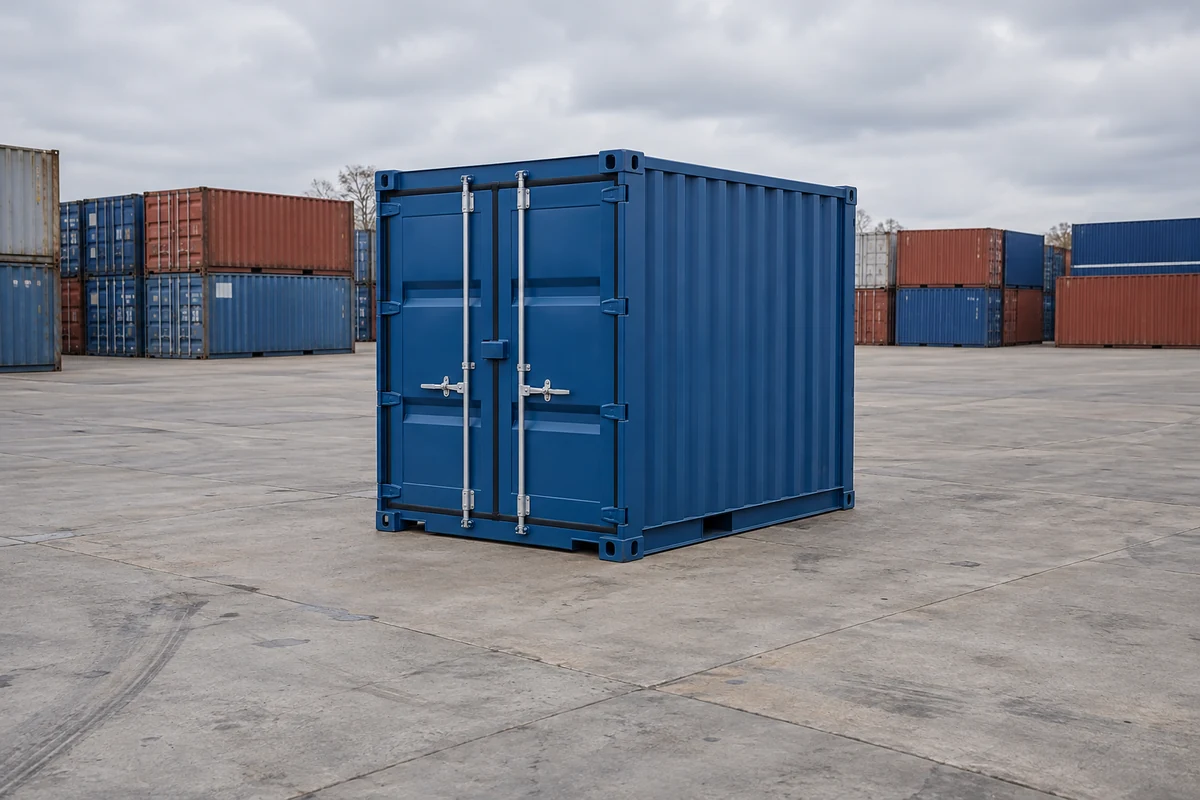
10ft compact storage container — used
- Used
From A$3,600
Advertised price, checked 16 Oct 2026 · ex. GST · before delivery
Delivery quoted to your postcode
Prepare your Australian container request. Find the right price for your project.
Start with what you need to put away and how often you need it back. A bare container can serve as a locked storage shed; a garden shed conversion adds access, shelving or finishes. Compare 10 ft and 20 ft options, then check the backyard delivery route before buying the shell.
Prepare a quote request →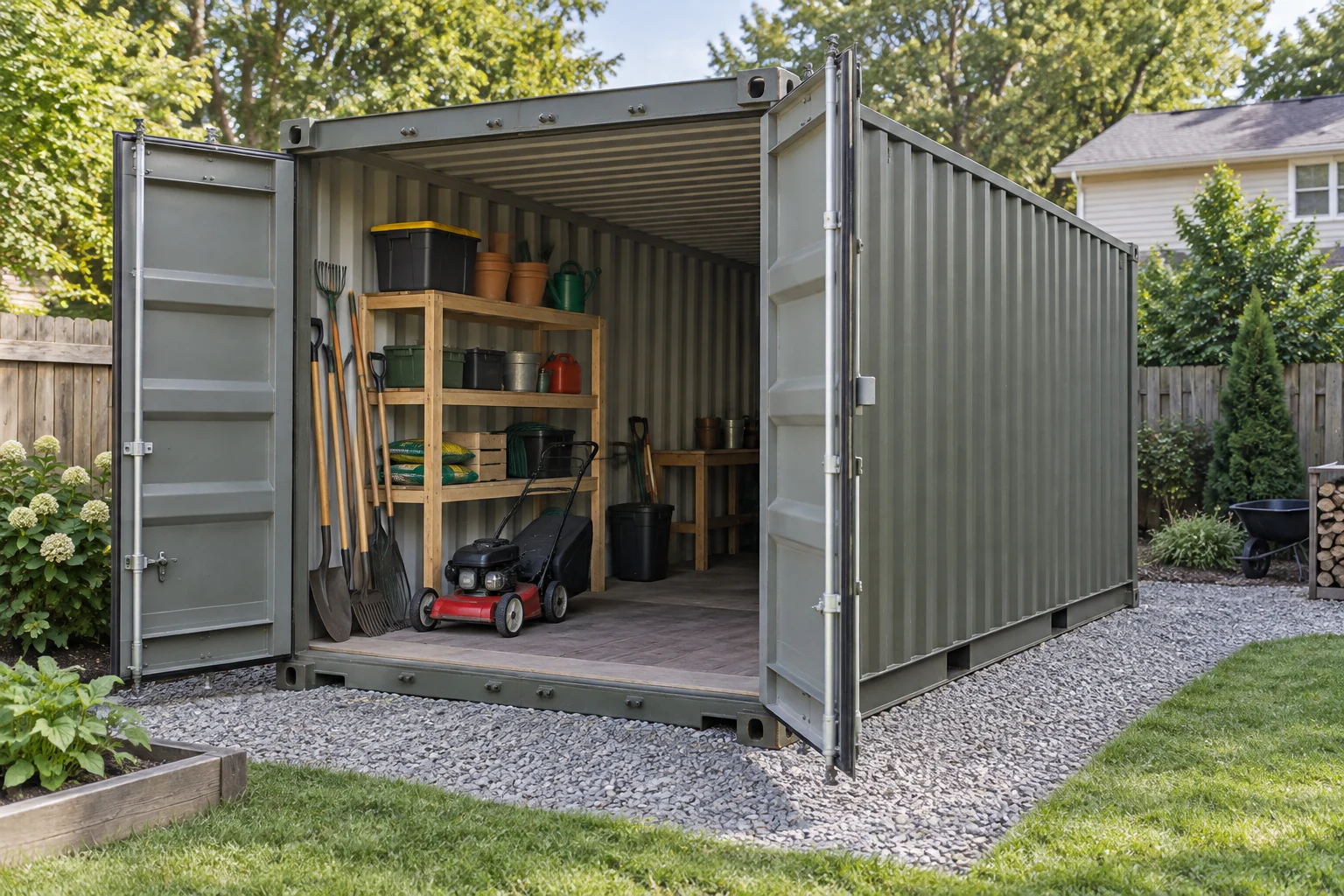
From A$3,600
Advertised price, checked 16 Oct 2026 · ex. GST · before delivery
Delivery quoted to your postcode
From A$6,300
Advertised price, checked 16 Oct 2026 · ex. GST · before delivery
Delivery quoted to your postcode
From A$2,050
Advertised price, checked 16 Oct 2026 · ex. GST · before delivery
Delivery quoted to your postcode
Price on request
Delivery quoted to your postcode
Prices are examples advertised by sellers on the date shown, not ContainerPick offers. Stock, condition and the delivered total are confirmed in each quote.
For tools and equipment you use occasionally, a sound shell with working cargo doors may be enough. If you reach for small items every day, the position of shelves and the route to the back matter as much as container length. A shed with a separate entrance, windows or interior finishes is a different purchase from an unmodified storage unit.
Also compare a conventional framed shed. It may be a better match when a delivery truck cannot reach the yard, the exterior has to match the house, or the space will be occupied for long periods. If a workbench, power tools and daily indoor work are the main purpose, plan it as a workshop.
| Your storage task | Useful starting point | Decision before buying |
|---|---|---|
| Garden tools and seasonal supplies | Compact shell with vertical storage | Which items must stay reachable without unloading the rest? |
| Mower, wheelbarrow and equipment | Open floor space near the cargo doors | Measure the equipment and reserve its loading and turning route. |
| Finished garden outbuilding | Specified doors, lining and services | Decide whether you need occasional storage or an occupied workspace. |
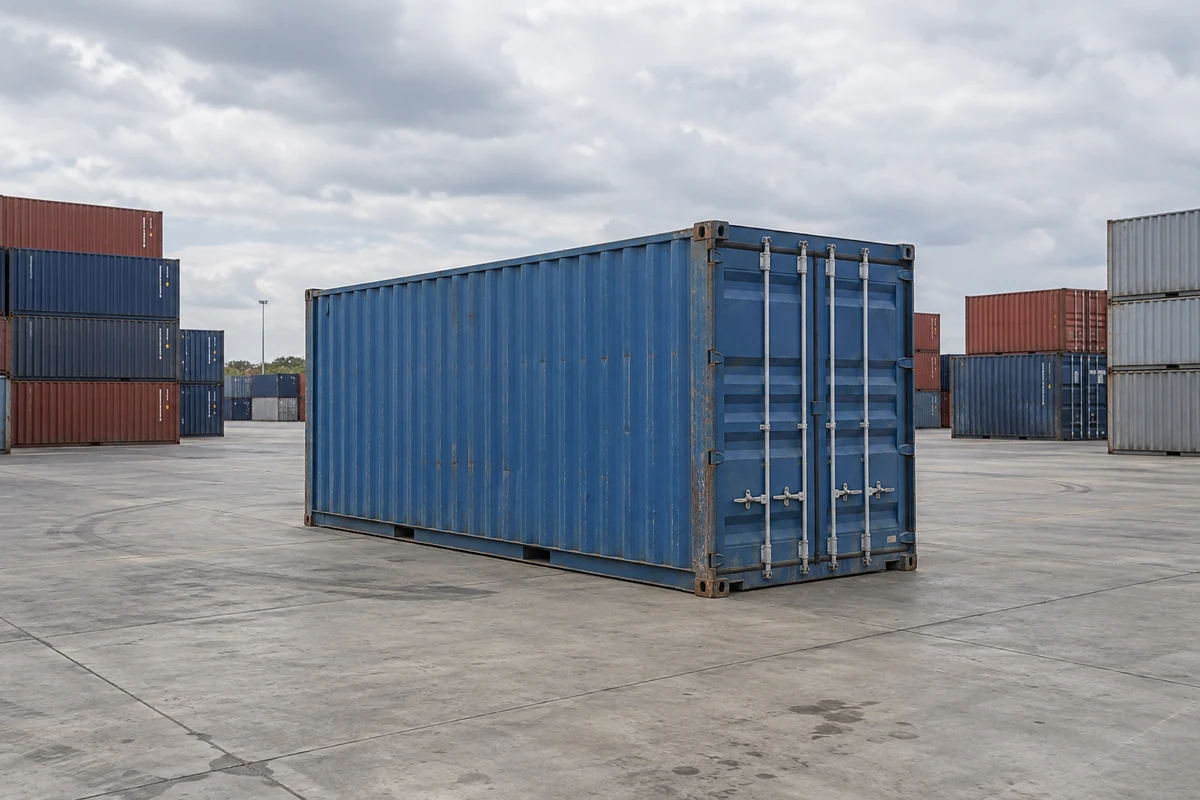
The size name describes the outside format. Shelves, wall linings and an added doorway change what remains available inside. The examples below describe particular unlined storage containers, rounded for planning; ask for the measurements of the unit you are considering.
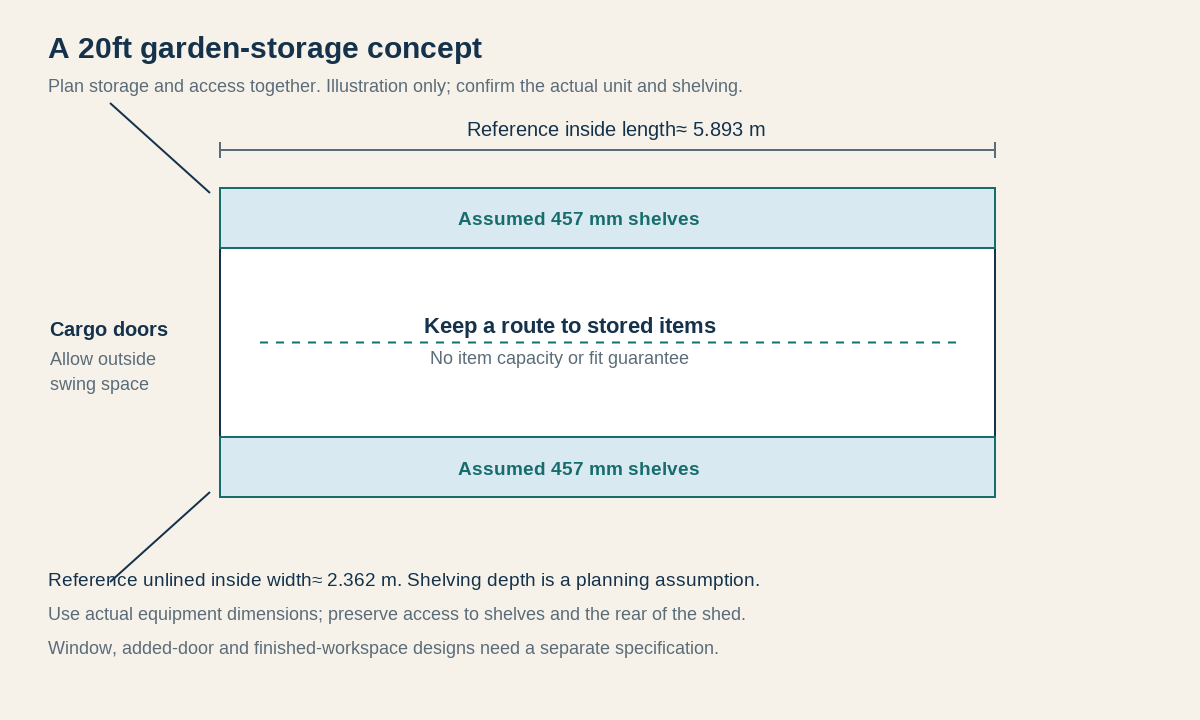
Draw the floor layout before filling it. Put frequently used tools near the entrance, leave a route to the rear, and give wheeled equipment a place that does not block shelves. The illustrated 20 ft arrangement assumes approximately 457 mm deep shelves along both sides. That is a layout assumption, not a standard shelving package or a guarantee that your equipment will fit.
| Reference size | Approximate unlined interior | Cargo-door example | Best question to resolve |
|---|---|---|---|
| 10 ft storage model | 2.845 m long × 2.337 m wide × 2.388 m high | 2.337 m wide × 2.286 m high | Is the shorter layout enough once access space is reserved? |
| 20 ft standard example | 5.893 m long × 2.362 m wide × 2.388 m high | 2.337 m wide × 2.286 m high | Will the extra length be useful, or will items disappear behind each other? |
The approximate door dimensions in this shed illustration are not common clearances for every 10ft or 20ft container. Other reference models have different openings. Obtain the offered unit's specification and confirmed clear doorway measurement before planning a close fit.
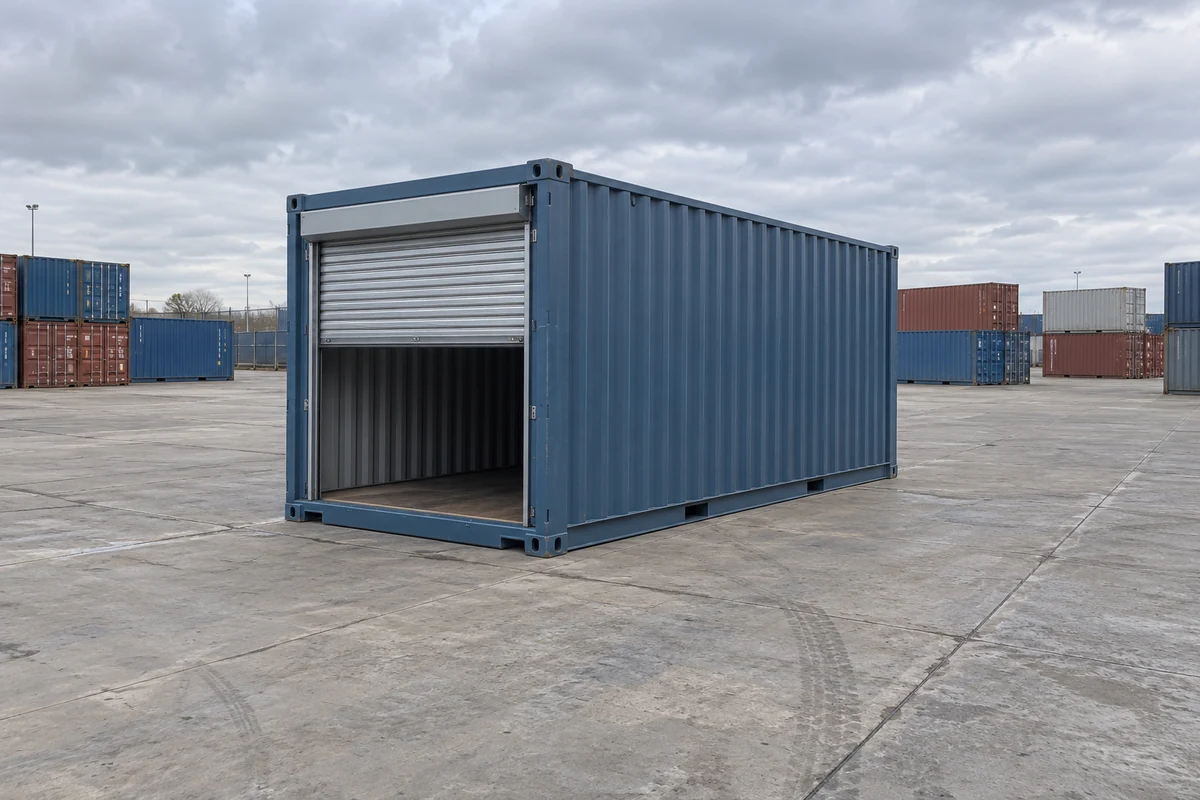
Cargo doors need room to swing outside. A separate entrance can make daily access easier, while a large item may still need the original cargo opening. Specify both the clear opening and its position on the proposed plan.
Swipe or scroll to read the diagram.
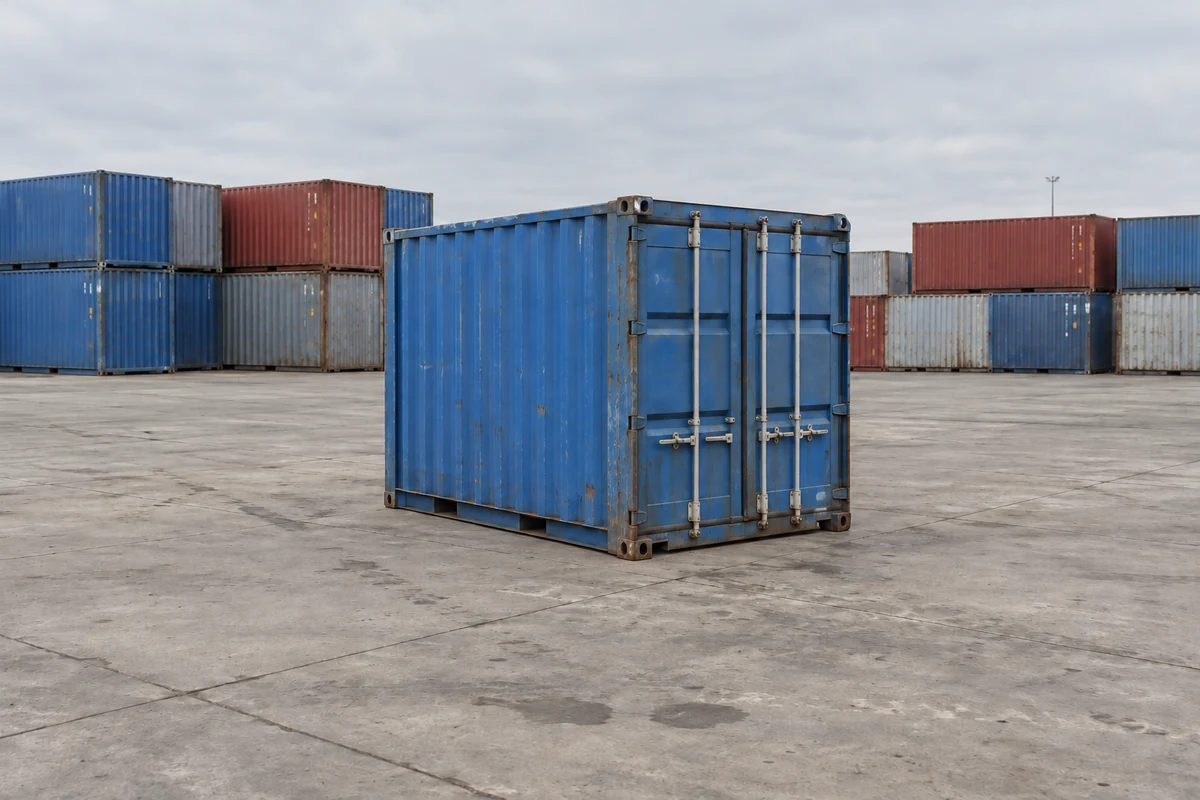
For an existing container, request recent photos of the roof, walls, floor, door edges and seals, plus an account of repairs and previous use. Check that the doors operate and that the floor suits what you intend to store. A condition label alone does not describe cleanliness, odour, floor condition or the fitted accessories.
Ask for a separate price and specification for each change. Shelving should suit the attachment points and installed loads; a lockbox needs a compatible lock. Windows and additional doors require properly designed openings. Treat insulation, electrical work and exterior cladding as specified work rather than assumed parts of a shed conversion.
A container can occupy a compact spot while its delivery needs much more space. Show the hauler the street approach, gate, corners, trees, overhead wires and final position. Confirm the unloading method and the clearances for that truck and trailer before arranging delivery.
Choose a firm, level placement with drainage and room to open the doors. The support arrangement should be agreed for the site and unit. Check local siting rules for the address, dimensions and intended use before paying for changes that depend on approval.
An enclosed dry container does not regulate temperature or humidity. Wet garden tools, damp cardboard and water around the base can introduce moisture even when rain stays outside. Store dry items, keep drainage working, and inspect the roof, seals and stored contents.
Ventilation and air movement can help manage moisture, but vents do not guarantee a dry interior in every climate. If you plan to store sensitive materials, discuss their temperature and humidity needs before choosing insulation or powered conditioning. A finished lining should be part of a moisture-control plan, not a way to conceal an existing problem.
Compare the same scope in each offer. A low shell price and a finished garden shed price describe different things. Keep the transport and site costs visible, then add only the equipment that solves your storage problem.
| Budget item | Get this detail in the offer |
|---|---|
| Container shell | Specific condition, size, repairs and current unit selection process |
| Delivery and unloading | Delivery postcode, method, access assumptions and any separate lifting |
| Placement | Ground preparation, supports and responsibility for installation |
| Access and organisation | Doors, lock and lockbox, shelves, racks and included components |
| Optional finishes and services | Insulation, lining, cladding, electrical work and site connections |
| Final amount | Tax, exclusions and any charges tied to delivery conditions |
For a bare shed, prioritise shell condition, dry storage and access. For a fitted shed, compare a drawing and itemised specification. For an occupied outbuilding, establish the workspace and approval requirements before comparing it with basic storage.
Use your delivery postcode, preferred size, a list of stored items and the dimensions of the largest equipment to start the request. Add the desired entrance, shelving and lock arrangement, photos of the approach, and a sketch of the final position.
The request planner lets you review the details and submit them online with your consent. You can also keep a copy. Confirm the actual unit, fitted scope, delivery access and complete price together before buying.
Compare the shell, fitted work, delivery, unloading, supports and tax for your address. A basic storage container and a shed with lining, windows or electrical work need different specifications. Use an itemised delivered quote rather than a shell price as the total.
A storage plan mainly organises objects and access. A workshop plan must also account for people, work surfaces, equipment, power and the intended indoor conditions. Choose the main use before specifying the conversion.
That can be a useful arrangement: cargo doors for larger equipment and a separate entrance for daily access. Have the opening, reinforcement, weather sealing and hardware specified for the unit, and keep both access routes clear.
The answer depends on the property and proposed use. Check local rules for siting, setbacks, size, supports and any conversion or utilities. A unit used only for storage can be treated differently from an occupied workspace.
A sound shell can keep rain out, but it does not control humidity or temperature. Dry contents, drainage, ventilation and regular checks are part of the plan. Sensitive goods may need a different specification.