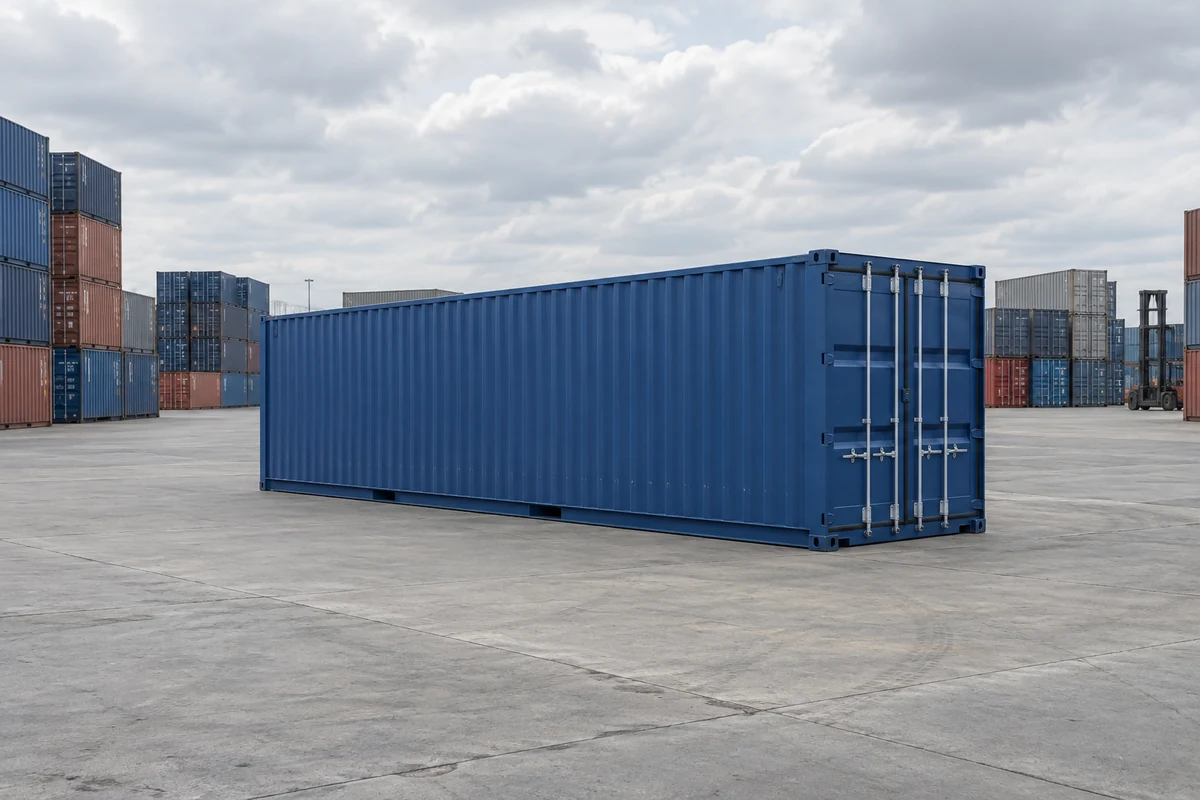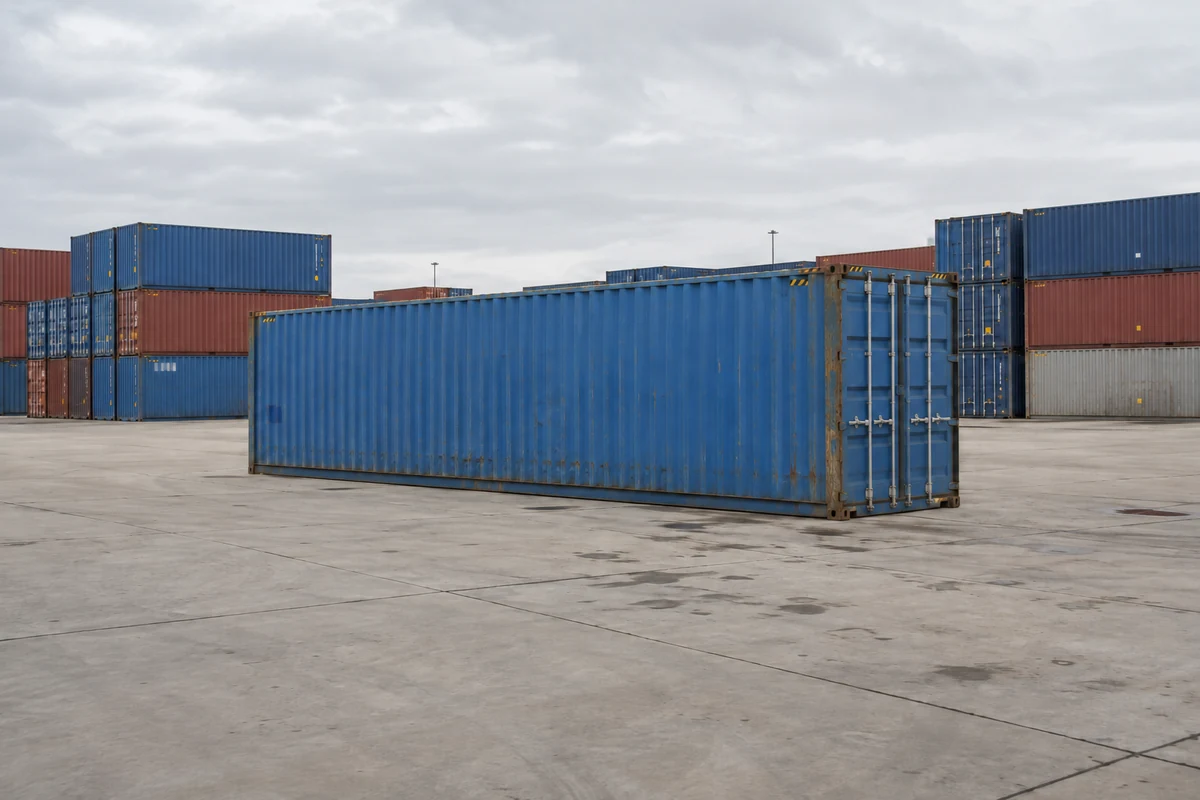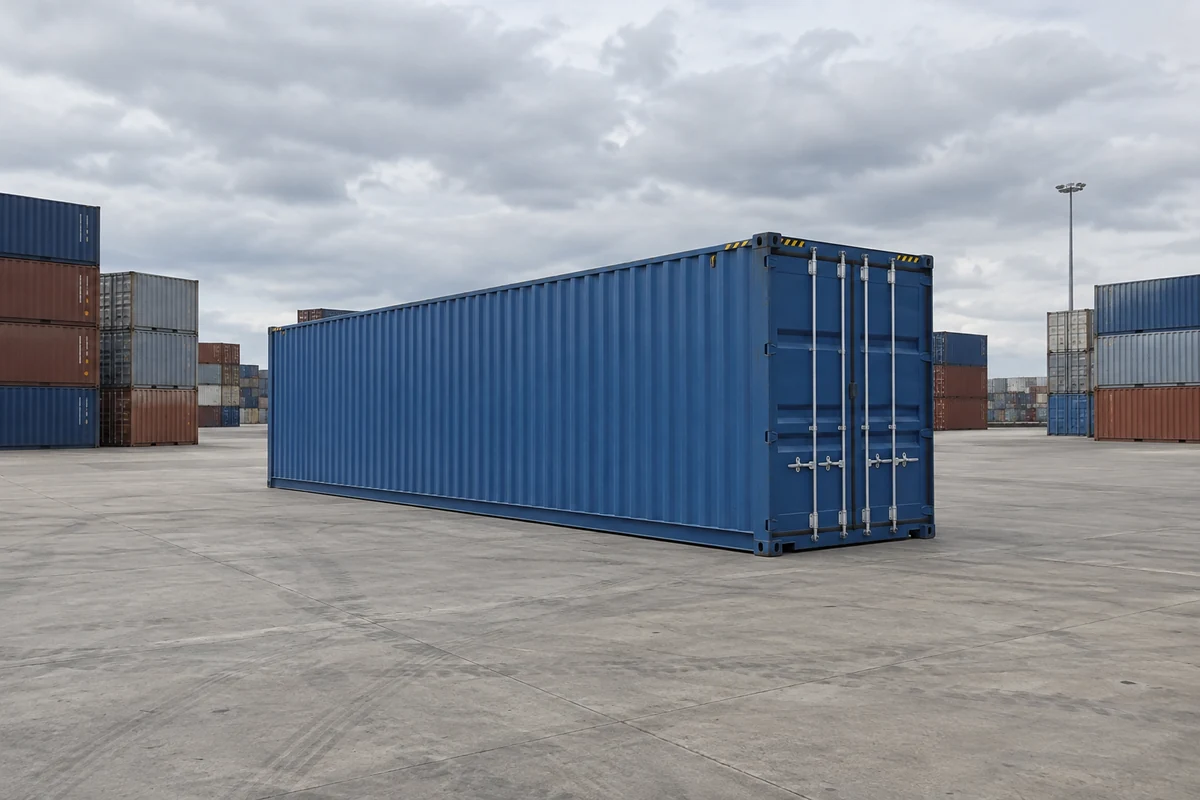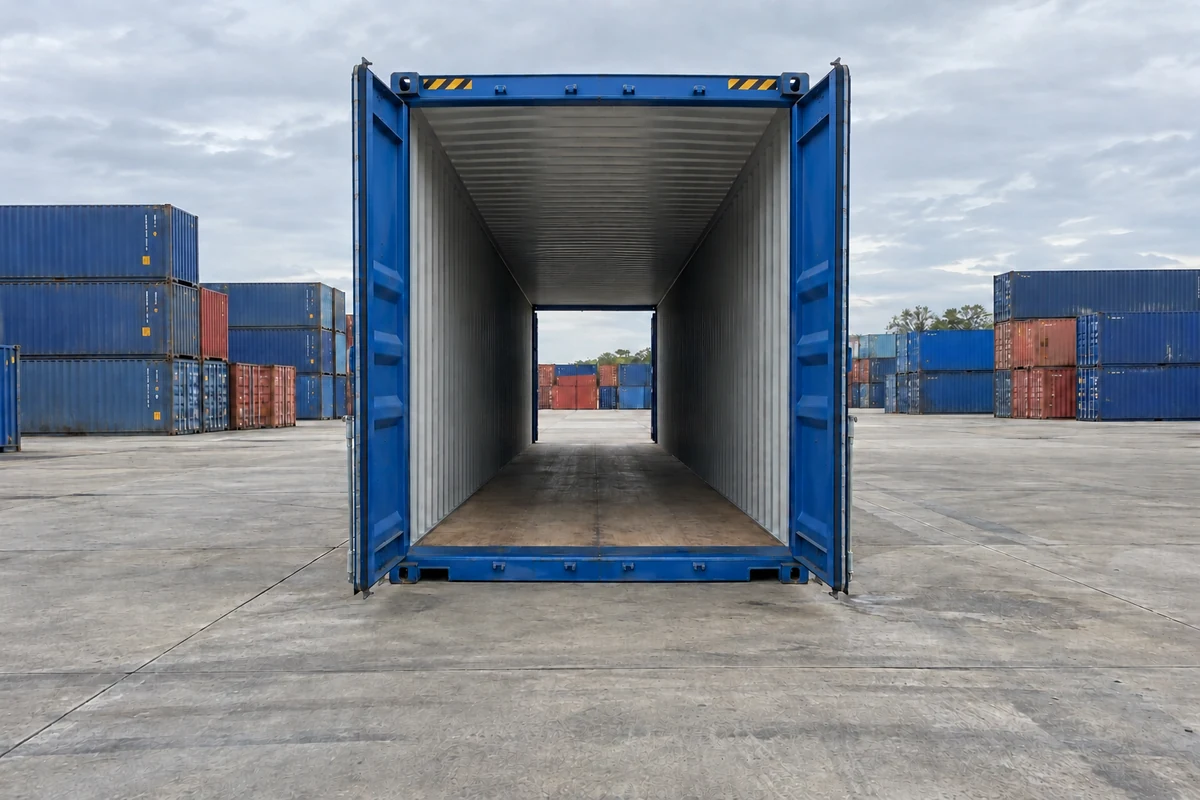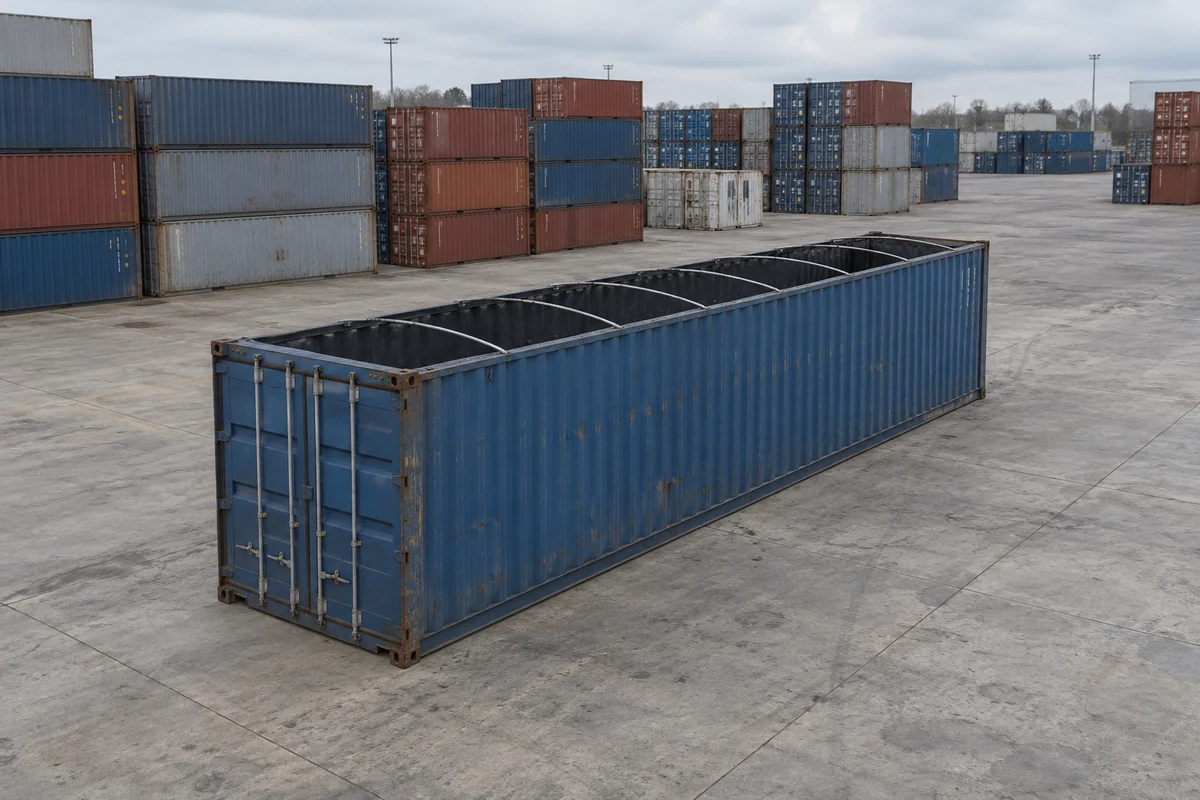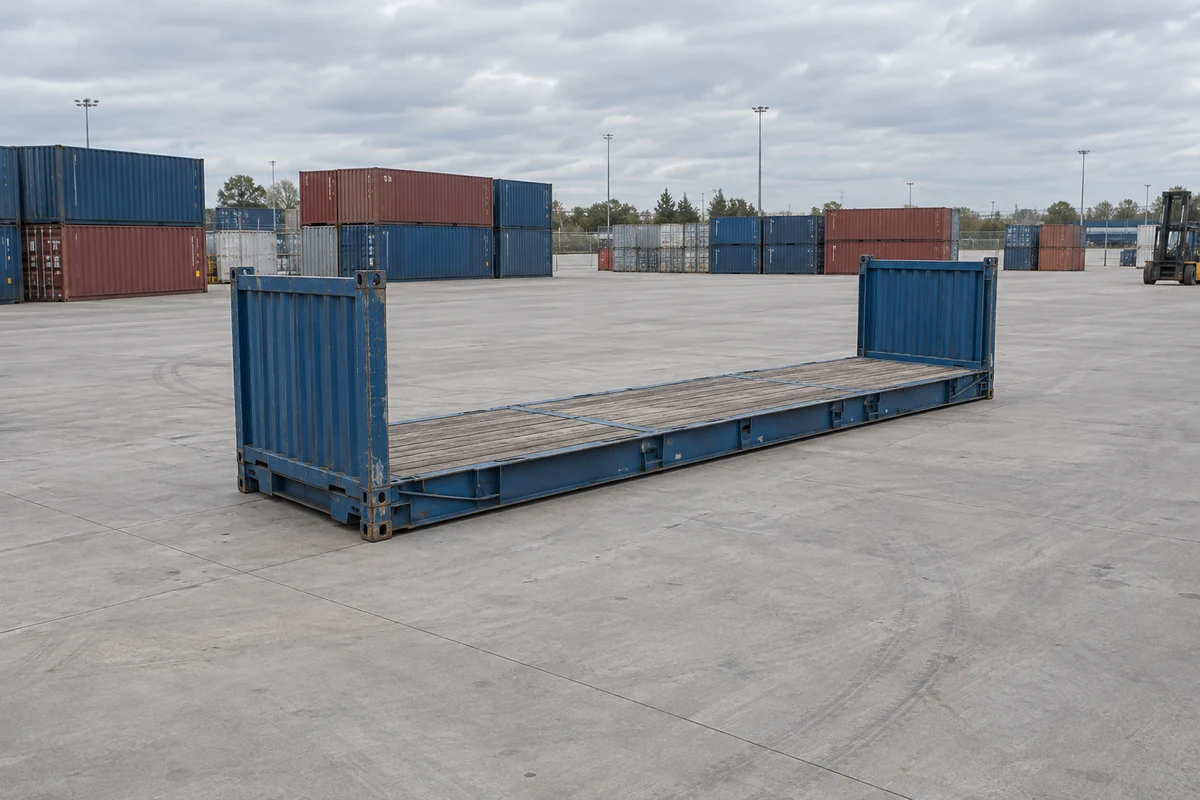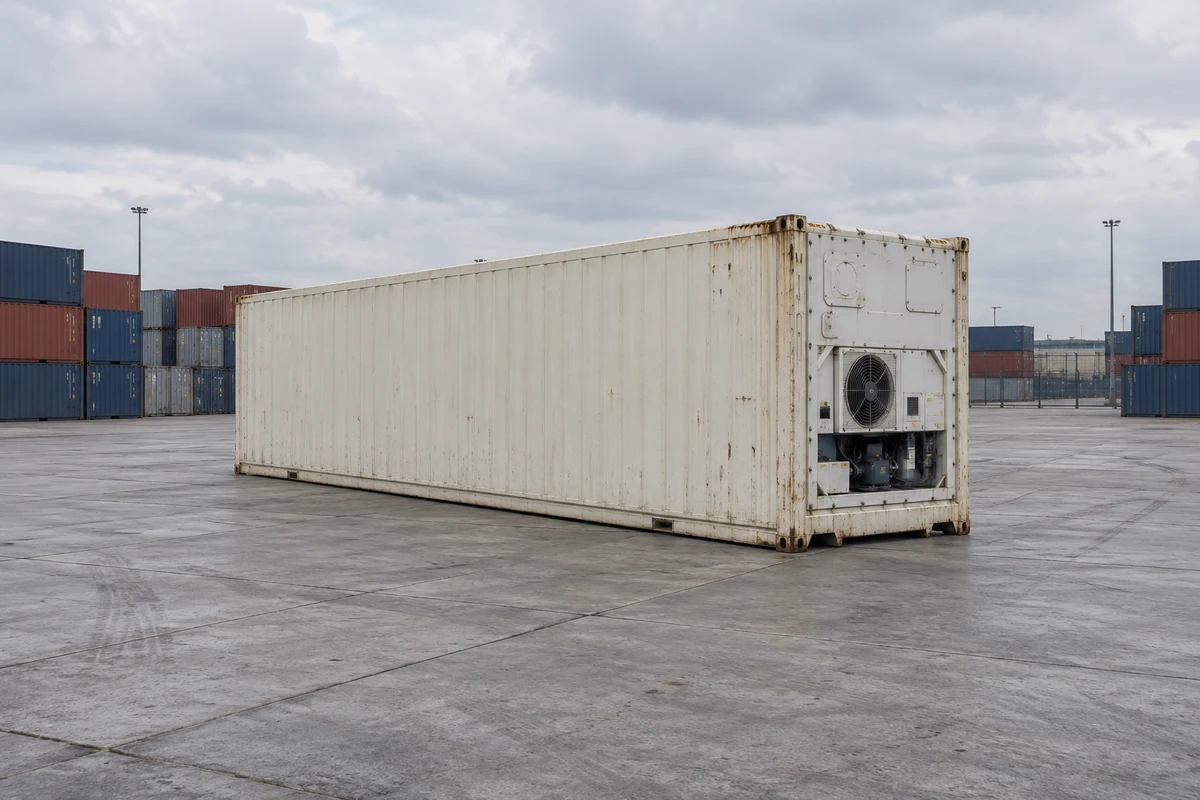
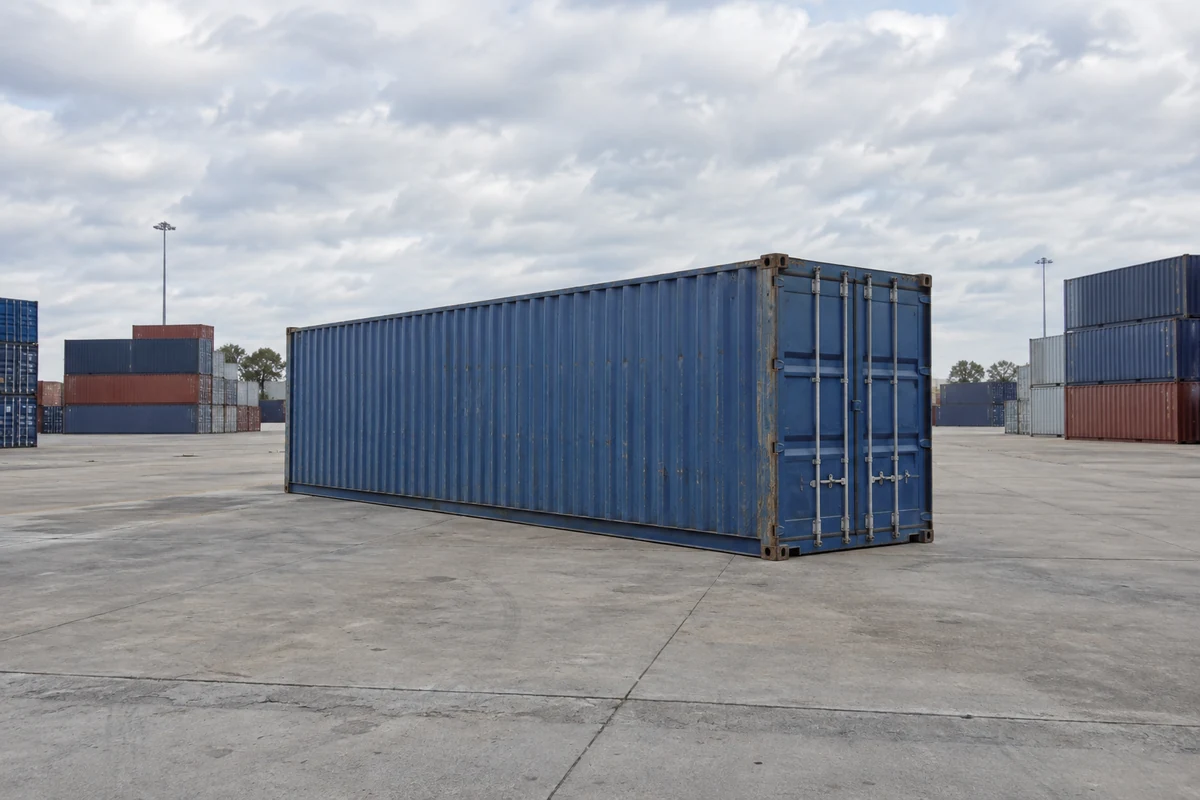
40ft standard container — used
- Used
From A$2,700
Advertised price, checked 16 Oct 2026 · ex. GST · before delivery
Delivery quoted to your postcode
Prepare your Australian container request. Find the right price for your project.
40FT / CHOOSE YOUR FORMAT AND CONDITION
Compare 40ft shipping containers for storage, cargo transport or a planned conversion. Choose standard height or High Cube, match the condition to your project, and compare the container price with delivery, unloading and any work your unit needs.
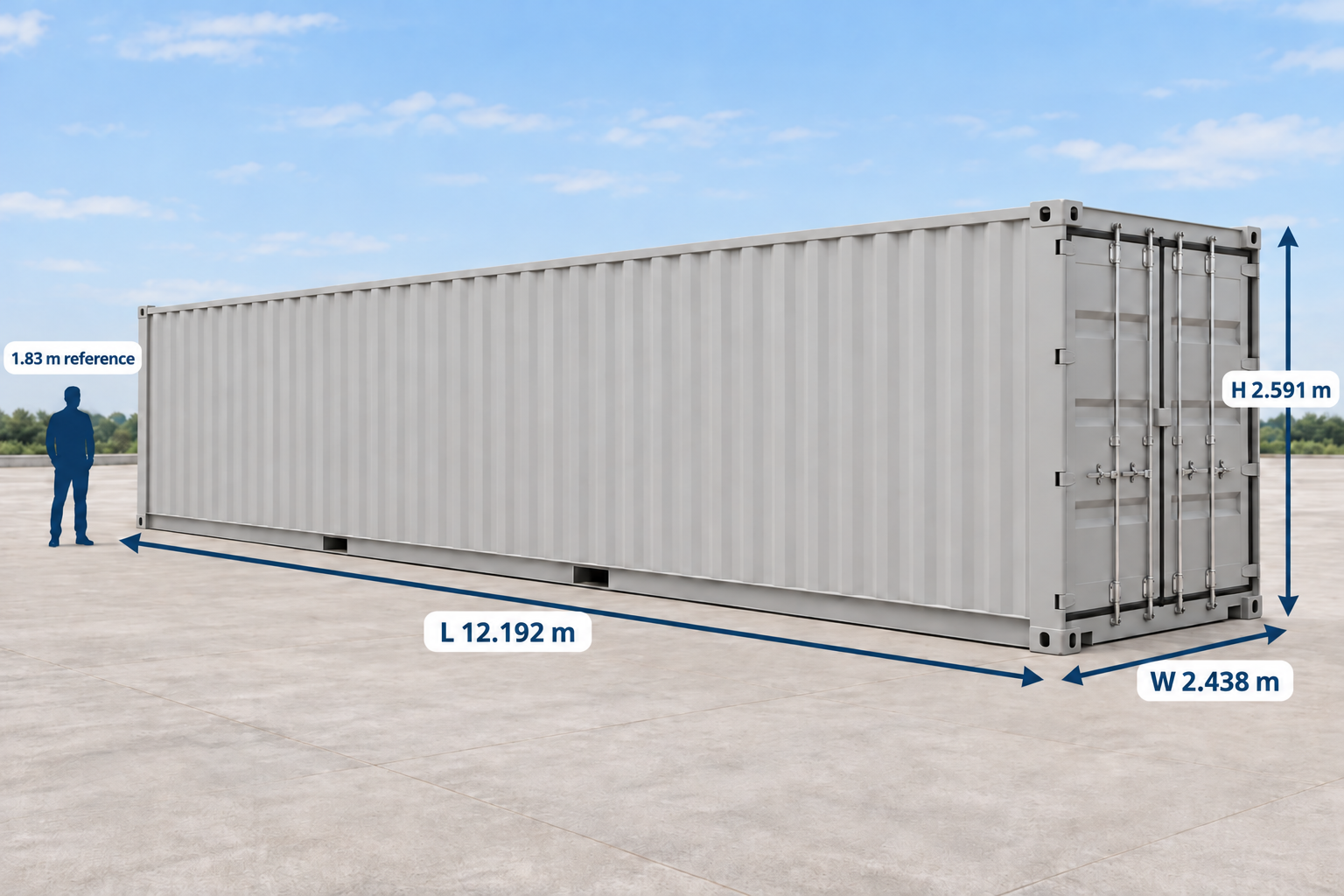
Standard height: 12.192 m × 2.438 m × 2.591 m exterior. Compare 40ft High Cube →
From A$2,700
Advertised price, checked 16 Oct 2026 · ex. GST · before delivery
Delivery quoted to your postcode
From A$6,100
Advertised price, checked 20 Oct 2026 · ex. GST · before delivery
Delivery quoted to your postcode
From A$2,800
Advertised price, checked 20 Oct 2026 · ex. GST · before delivery
Delivery quoted to your postcode
From A$5,000
Advertised price, checked 16 Oct 2026 · ex. GST · before delivery
Delivery quoted to your postcode
Price on request
Delivery quoted to your postcode
Prices are examples advertised by sellers on the date shown, not ContainerPick offers. Stock, condition and the delivered total are confirmed in each quote.
The Heavy Vehicle National Law caps a rigid truck at 12.5 m overall, so a 12.19 m container arrives on a prime mover and semi-trailer combination of up to 19 or 20 m; Western Australia and the Northern Territory run their own heavy-vehicle systems. Whether the trailer tilts the box off or side-lifts it, check that your street, the turn through the gate and the ground beside the drop zone can take a vehicle that long.
In the ACT, section 1.59 of the Planning (Exempt Development) Regulation 2023 exempts a container placed for a temporary, non-habitable purpose, such as a move or storing materials for building work on the block. It must be sound, placed safely, kept out of the 1.5 m strip along side and rear boundaries, leave access clear and go within a year unless the planning authority extends that in writing. On a narrow block, that strip decides where a 40ft can sit.
New South Wales lets a container hold belongings on land hit by a natural disaster or state of emergency as exempt development for up to two years, for storage only and not on flood control lots. The limits are 12.5 m long, 3 m high and 2.5 m wide, so even a 40ft High Cube at 2.90 m fits them: one in a residential or environmental zone behind the front building line, two in rural, business, industrial or special purpose zones.
| Container | Advertised price | Details |
|---|---|---|
| 40ft used | A$2,700–A$3,700 | ex. GST · checked 16 Oct 2026 |
| 40ft new / one-trip | A$6,100–A$7,500 | ex. GST · checked 20 Oct 2026 |
| 40ft high cube, used | A$2,800–A$3,300 | ex. GST · checked 20 Oct 2026 |
| 40ft high cube, new / one-trip | A$5,000–A$5,900 | ex. GST · checked 16 Oct 2026 |
Sources: National Heavy Vehicle Regulator, Length (checked 20 Oct 2026); ACT Planning (Exempt Development) Regulation 2023, s 1.59 (Republication 3, effective 22 May 2026) (checked 20 Oct 2026); NSW Department of Planning, Repair and response works (checked 20 Oct 2026).
Choose the condition your project needs. The supplier confirms the actual unit, condition criteria and availability.
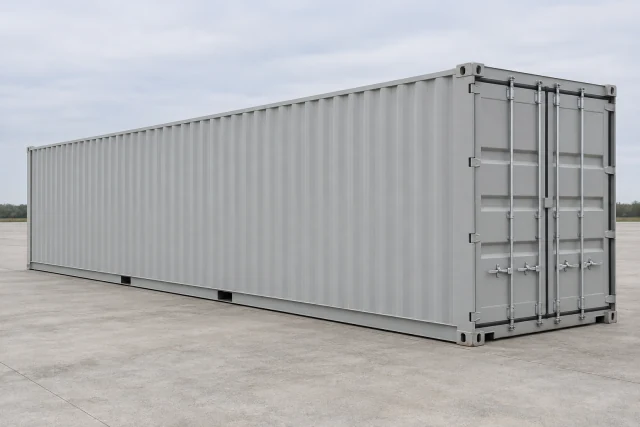
A less weathered finish
Compare handling marks, included fittings and the work a used shell would need.
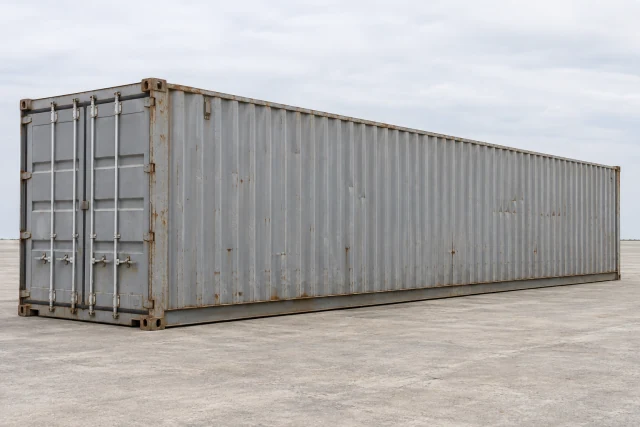
For enclosed on-site storage
Establish sealing, floor and door condition. Plan moisture-sensitive storage separately.
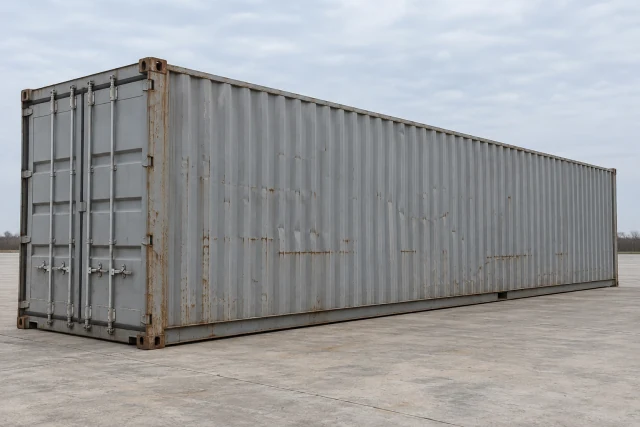
For a cargo-transport project
Establish the unit inspection, current examination and documents required for the shipment.
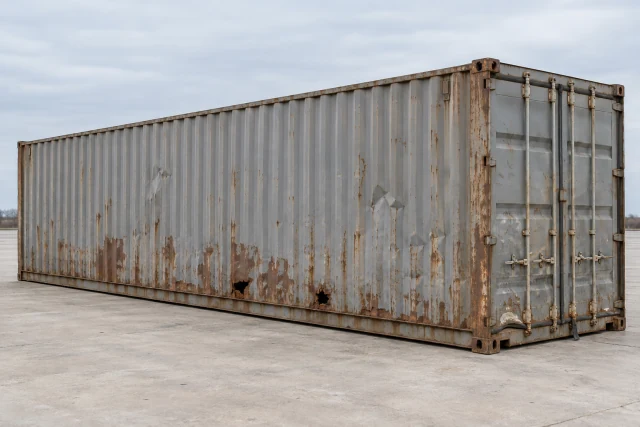
For an assessed repair project
Compare disclosed defects, handling and repair costs with a WWT alternative.
Used appearances can overlap across grades. An illustration cannot establish watertightness, cargo suitability or the defects of an offered unit.
A seller advertised standard 40ft containers at A$2,700–A$3,700 used (checked 16 Oct 2026) and A$6,100–A$7,500 new / one-trip (checked 20 Oct 2026), ex. GST and before delivery. Request current quotes for the same unit, condition, door arrangement and delivery postcode.
Ask each supplier for the total in AUD including applicable GST. Identify delivery, unloading, repairs and fit-out separately, and confirm availability.
Compare the same height, condition and placement service. High Cube, cargo-worthy and as-is units require their own confirmed proposals; a shell price alone does not establish the complete installed cost.
| Standard-height condition | Australian price requirement | Scope to confirm |
|---|---|---|
| Used wind and water tight | Request a current total in AUD including applicable GST | Actual unit, weather-sealing/floor/door criteria, delivery and unloading |
| New or one-trip | Request a current total in AUD including applicable GST | Actual unit and history, included fittings, delivery and unloading |
Both formats share a nominal 12.192 m × 2.438 m footprint. Choose around the clear doorway and finished interior your project needs.
Interior and doorway figures are rounded fleet examples and vary by manufacturer. High Cube adds height; it does not add floor length or width. Measure the allocated unit and allow for any lining, flooring or ceiling in a conversion.
| Measurement | 40ft Standard | 40ft High Cube |
|---|---|---|
| Nominal exterior height | 2.591 m | 2.896 m |
| Example interior height | 2.395 m | 2.7 m |
| Example cargo-door height | 2.292 m | 2.597 m |
| Example interior volume | 67.7 m³ | 76.3 m³ |
| When to compare it | General storage where standard clearances suit the load. | Taller packed items, extra shelving height or room for lining and services. |
Interior, door and floor-area figures are rounded fleet examples. Request clear measurements for the actual unit, including any modifications.
The doorway is lower than the interior ceiling. Measure the item with its pallet and packaging, and account for the loading equipment. Fitting inside does not establish that the load will pass through the doors. For heavy loads or powered loading equipment, confirm floor loading and equipment suitability separately.
The nominal exterior footprint is 29.7 m²; the example interior floor is about 28.3 m². Published mass ratings do not establish floor loading, forklift suitability or the weight permitted on your road or rail route. Agree those limits for the actual unit and equipment.
| Measurement | Standard 40ft example | Buying decision |
|---|---|---|
| Nominal exterior | 12.192 m L × 2.438 m W × 2.591 m H | Container footprint and height; allow additional delivery and working space. |
| Interior | About 12.032 m L × 2.352 m W × 2.395 m H | Clear space for the load, with room for access and handling. |
| Cargo-door opening | About 2.340 m W × 2.292 m H | The opening the packed item must pass through. |
| Interior floor area | About 28.3 m² | Space to plan the load and any access aisle; this is not a floor-load rating. |
| Interior volume | About 67.7 m³ | Nominal internal capacity before goods, packaging, access space or fit-out. |
| Empty weight (tare) | 3,750 kg | A fleet example for transport and lifting discussions; obtain the actual unit weight. |
| Maximum gross / payload | 32,500 kg / 28,750 kg in this fleet example | Gross includes the container; payload is contents. Check the actual plate and the limits of the complete transport plan. |
These dimensions are examples for particular models. Check the offered unit’s measurements, openings, ratings and usable clearances before planning storage, transport or installation.
A long interior is useful when the load needs continuous length. Plan how you will load it and reach the contents afterward.
Standard and High Cube 40ft formats share a nominal 12.192 m × 2.438 m footprint. High Cube adds 305 mm of exterior height; it does not add floor length or width. Compare clear door and interior heights when tall items drive the choice.
| Your storage need | Check before choosing |
|---|---|
| Long equipment or materials | Measure the longest packed item against the clear interior length, then check its route through the doors. |
| Inventory, tools or supplies accessed regularly | Allow a working aisle and keep frequently needed items close to the cargo doors. |
| A smaller load or a constrained delivery site | Compare a 20ft unit and its delivery plan before committing to the longer format. |
A standard dry container does not actively control temperature or humidity. Discuss the goods and storage conditions before choosing ventilation, insulation or climate-controlled equipment. For an occupied conversion, confirm local requirements and the finished design before ordering the shell.
| Project | What to specify before buying |
|---|---|
| Tools, equipment or inventory | Grade, floor condition, moisture requirements, lock arrangements and a route to the far end. |
| Frequent stock picking | Shelving depth, lighting, working aisle, entry space and whether end-door access suits the daily loading sequence. |
| Cargo transport | A suitable unit, current examination evidence, shipment documents and acceptance for the planned journey. |
| Workshop, office or home conversion | Finished clear height, openings, insulation and services, with the shell and design assessed for the intended use. |
A usual dry-container arrangement has a pair of cargo doors at one end. Extra openings are separate configurations to quote and measure.
| Access arrangement | When to compare it | What changes in the quote |
|---|---|---|
| Cargo doors at one end | A single loading entrance with an aisle or planned sequence to reach the back. | Door operation, swing space, loading route and included hardware. |
| Cargo doors at both ends (double-door) | Access from either end helps with separate loads or a long stock route. | A different shell configuration and clear space at both entrances. |
| Side access | Frequent access along the long side or loads that need a wider loading approach. | The actual opening, door swing, reinforcement and weather sealing. |
| Roller doors | An opening suited to the planned workflow and site layout. | Clear opening, overhead mechanism, fabrication and finished sealing. |
Compare the actual unit, its condition description and the complete quote. Appearance and suitability are separate decisions.
Ask for views of the roof, walls, floor, door seals and locking bars. Confirm which doors and accessories are included, and whether the photos show the quoted unit. Choose the condition that meets your use and appearance requirements, then compare delivered totals.
| Condition | Buying reason | Evidence to establish |
|---|---|---|
| New / one-trip | A less weathered finish and fewer prior-service repairs to assess. | Actual travel history, handling damage, current photos and included fittings. |
| Wind & water tight | Enclosed land storage with defined rain-exclusion, floor and door criteria. | Unit photos, leak checks, floor and door condition; plan humidity separately. |
| Cargo worthy | A unit intended for cargo transportation. | Actual-unit inspection, current examination and the shipment’s required documents. |
| As-is | A shell whose defects and repair responsibilities can be costed for the project. | Written defect list, handling assessment, repair scope and sale assurances or exclusions. |
A unit price alone does not tell you the cost of getting a 40ft container into position. Use the same postcode, condition and placement requirements when comparing quotes.
Request an itemised total and clarify what happens if access or unloading requirements change. Compare used and one-trip totals on those same terms.
| Quote component | What to confirm |
|---|---|
| Container | The quoted size, height, condition and included fittings. |
| Transport | Delivery to your postcode and any charges for the route or site access. |
| Unloading and placement | The delivery method, equipment, operator and positioning work included. |
| Other charges | Optional work, taxes and any other applicable fees or exclusions. |
The truck needs room to approach, turn and unload beyond the container's footprint. Confirm the delivery plan with the operator before scheduling.
Agree the delivery method before paying. A tilt-tray slides the unit off the trailer; a flatbed normally requires separate lifting equipment. Ask who provides and operates that equipment and whether the quoted service includes final placement.
Share photos or a site sketch with the operator and confirm the clearances for the actual truck and trailer. The 12.192 m × 2.438 m footprint alone does not establish that the delivery vehicle can enter or unload.
Use the same postcode, height, condition and intended use in each request. Compare the allocated unit, itemised delivered total, unloading method, actual-unit photos, sale terms and any written warranty together.
Prepare and review your request on the quote form. Review the request and submit it online with your consent. You can also keep a copy. The supplier confirms the offered unit, availability and delivery arrangements.
Height, condition, door arrangement and delivery requirements affect the quote. Compare complete written proposals including applicable GST, unloading and any repairs or modifications.
29.7 m² is the nominal exterior footprint: 12.192 m × 2.438 m. The interior is smaller. The standard-height fleet example on this page has about 28.3 m² of interior floor before an aisle, shelving, lining or other fit-out.
The standard-height fleet example shown here weighs 3,750 kg, empty. Containers and modifications vary. Obtain the actual tare weight and agree suitable transport and lifting equipment for the quoted unit.
Compare High Cube when packed-item height, shelving or vertical working room matters. Its nominal exterior height is 2.896 m, versus 2.591 m for standard height. Check the actual doorway and interior measurements, along with transport and unloading clearance.
Confirm the quoted door layout. A unit with cargo doors at one end must be loaded with access to the far end in mind. If you need doors at both ends or side access, ask for that configuration and its own measurements and quote.
Storage condition alone does not establish transport suitability. For overseas use, confirm the unit's condition, CSC plate, current examination status and any survey or documents required for the planned shipment.
Ask for an itemised delivered total for your postcode. Confirm transport, unloading equipment, operator, final placement, taxes and any access charges. A quote that includes transport may still have separate unloading or placement requirements.
Have the supplier confirm the actual offered unit and delivery window with access and unloading arrangements. Your preferred date can be included in the draft; a catalogue illustration does not establish availability for your address.
Request current photos of the quoted unit, including both long walls, roof, floor, corners, doors and seals. Confirm the unit identity, repairs and acceptable appearance in writing. The condition images on this page are illustrations.