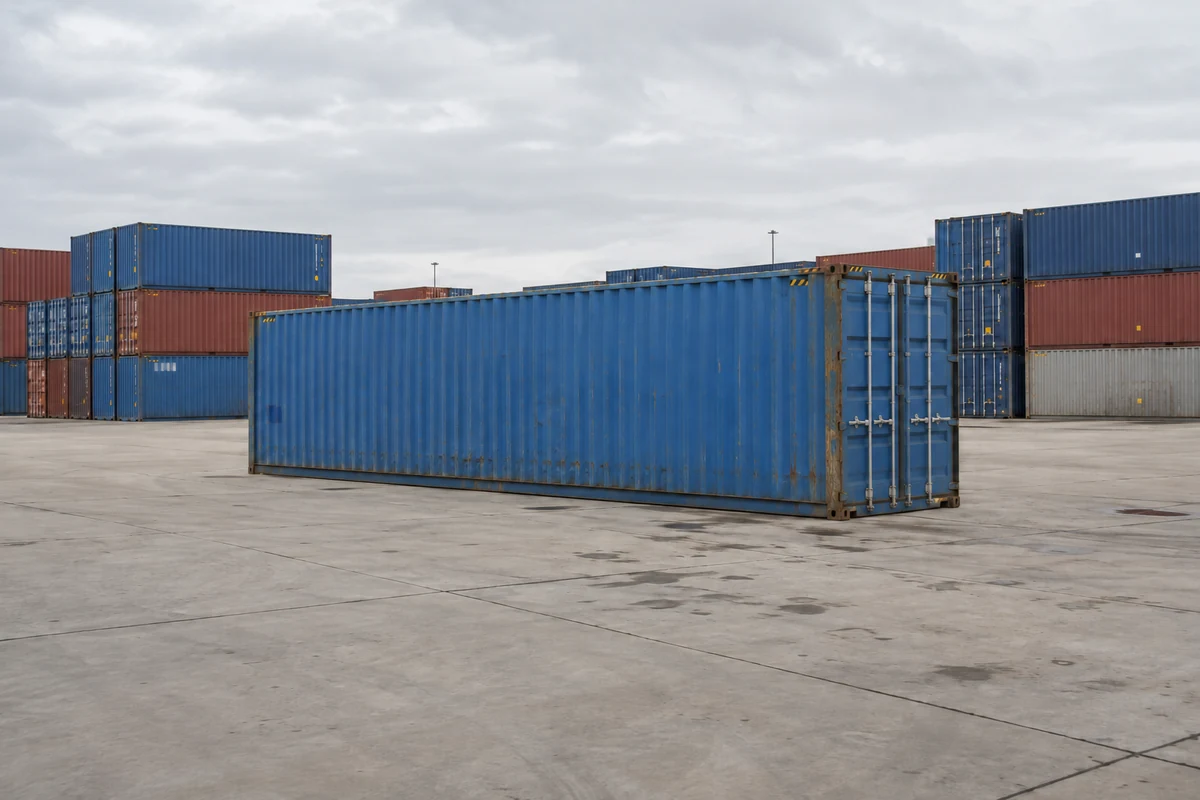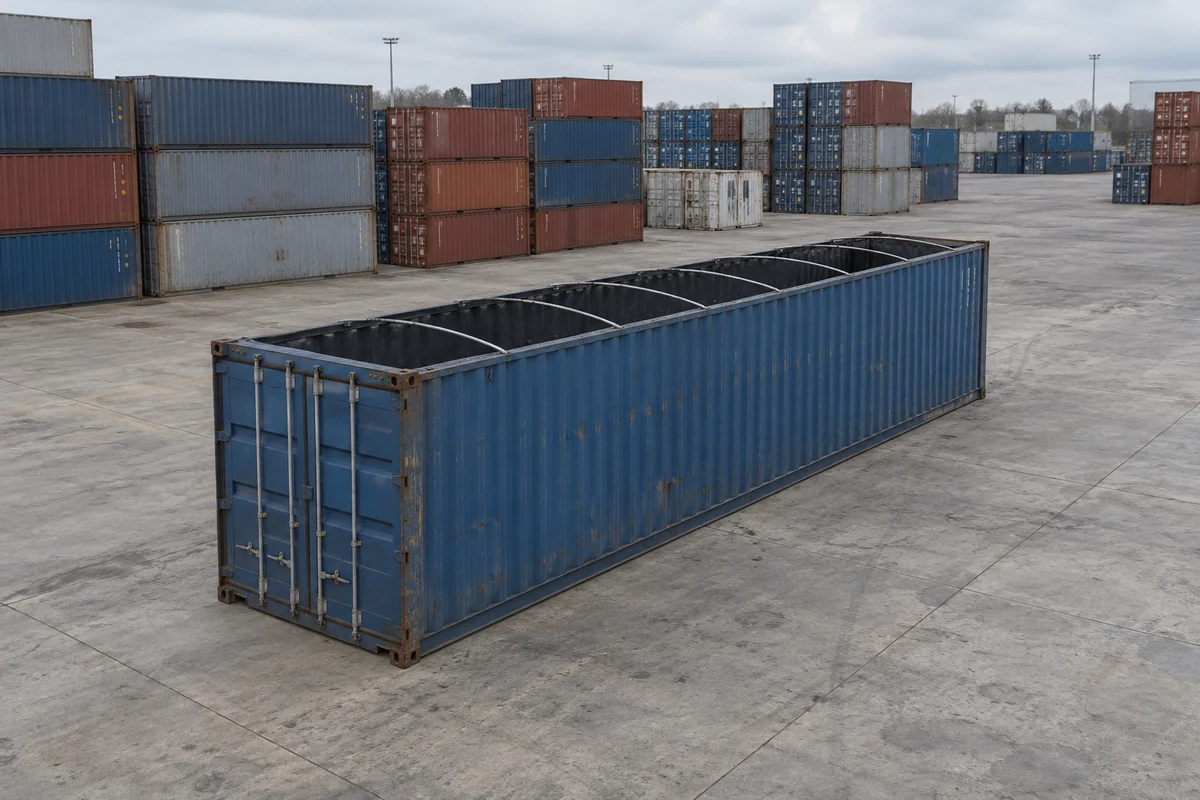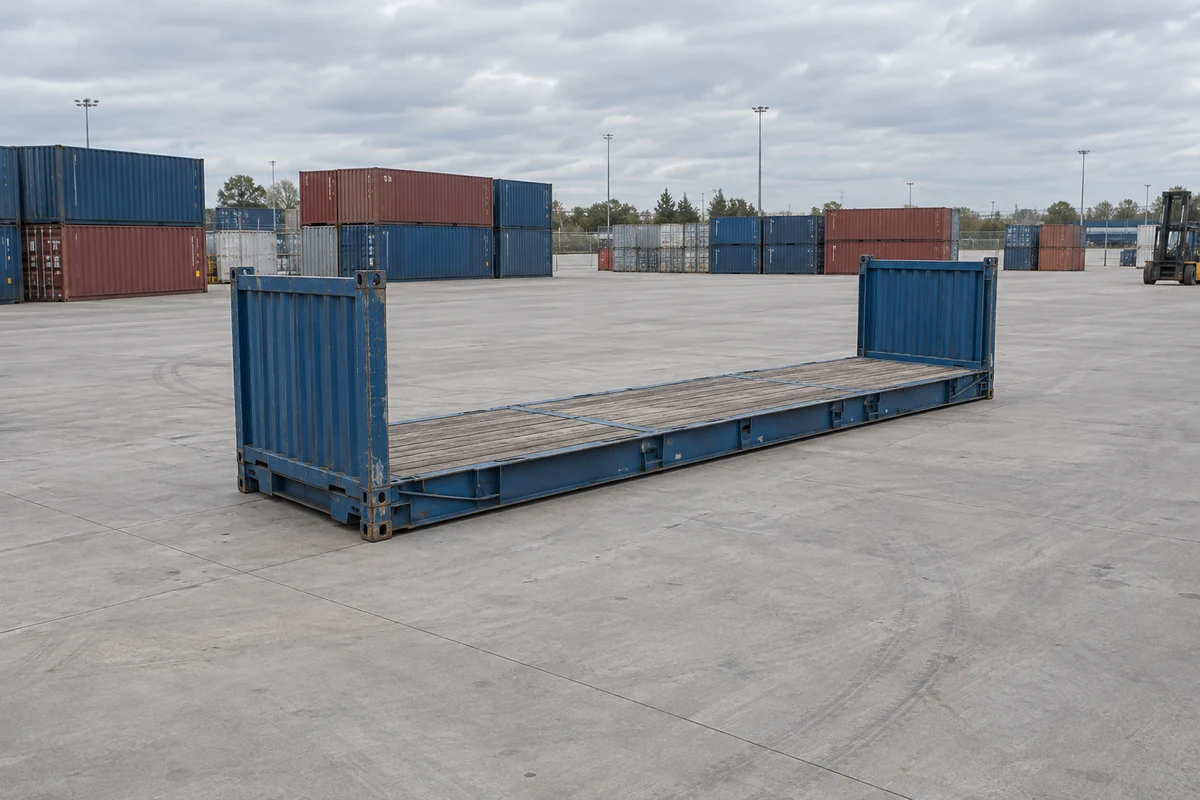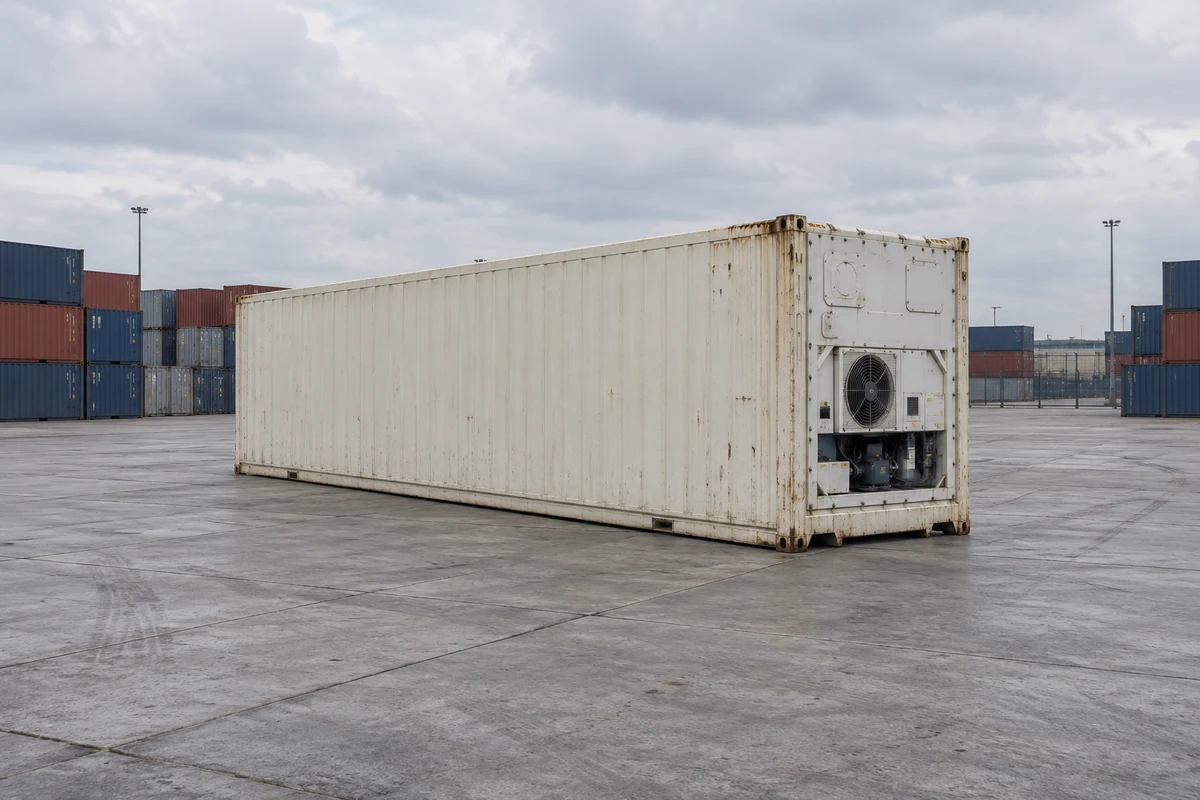
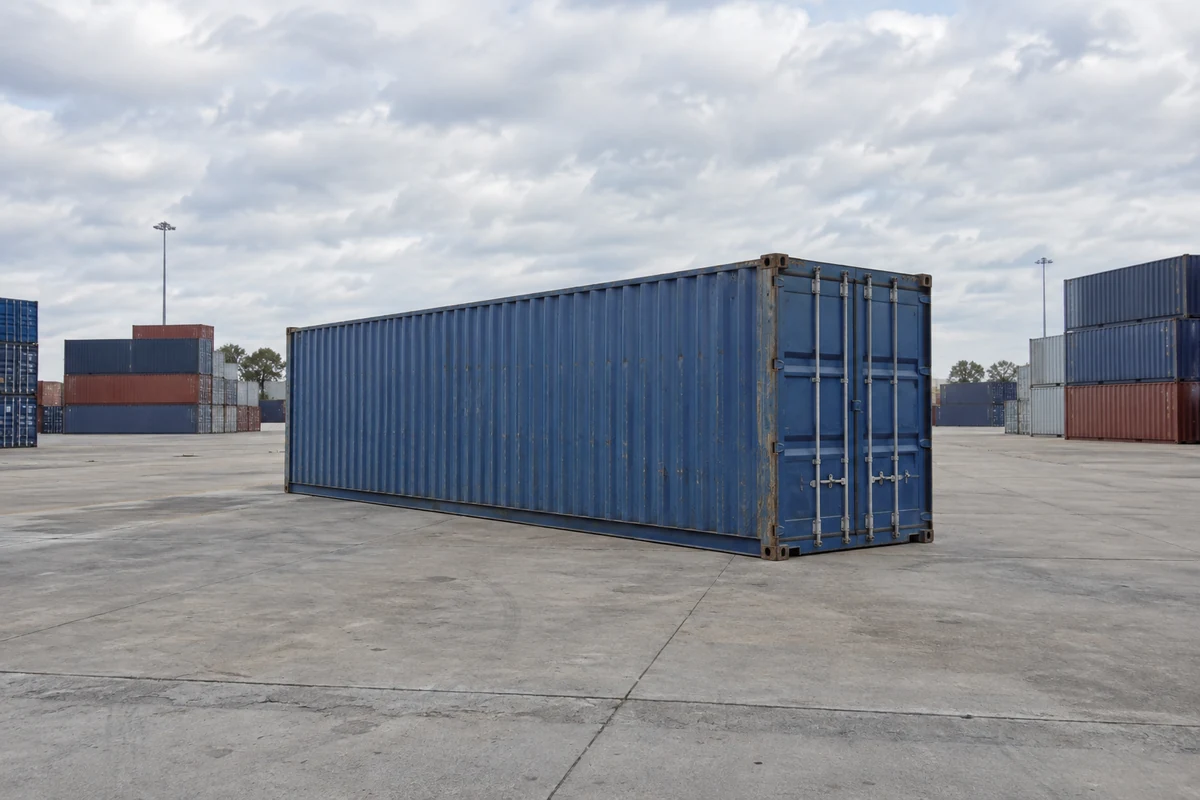
40ft standard container — used
- Used
From A$2,700
Advertised price, checked 16 Oct 2026 · ex. GST · before delivery
Delivery quoted to your postcode
Prepare your Australian container request. Find the right price for your project.
Used 40ft containers · standard height
Make room for tools, seasonal equipment or surplus stock with a used 40ft container. Compare WWT and cargo-worthy grades, repair costs and delivered pricing to choose the condition that fits your project.
Used 40ft standard · ex. GST · checked 16 Oct 2026. Before delivery.
See price details ↓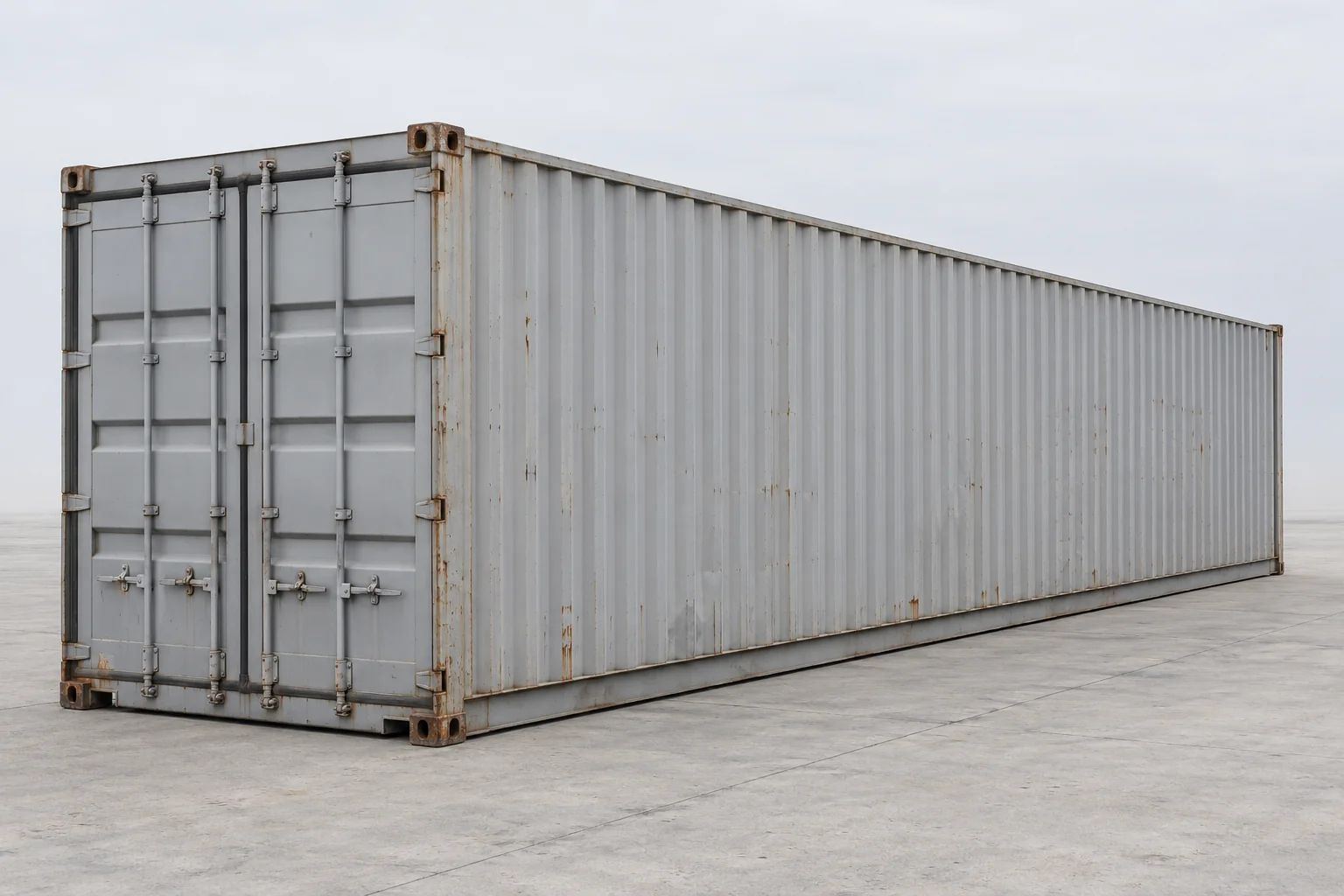
From A$2,700
Advertised price, checked 16 Oct 2026 · ex. GST · before delivery
Delivery quoted to your postcode
From A$2,800
Advertised price, checked 20 Oct 2026 · ex. GST · before delivery
Delivery quoted to your postcode
Prices are examples advertised by sellers on the date shown, not ContainerPick offers. Stock, condition and the delivered total are confirmed in each quote.
If the container will carry goods by sea, internationally or interstate, Bass Strait included, Marine Order 44 (Safe containers) applies. A unit that is defective, has no safety approval plate, or lacks a current periodic examination date or a valid ACEP number cannot be loaded onto or unloaded from a ship, so a cargo-worthy 40ft is only useful for shipping with that plate and marking on the actual box.
For storage on land, the plate matters less than the condition of 12 m of roof, floor and door seals; ask for photos taken from the roof and along the full floor, not only at the door end.
GST depends on who sells. A GST-registered business includes 10% GST in its price, but registration only becomes compulsory at A$75,000 of GST turnover, so a small trader or private owner can legitimately quote without it, and that sale holds no GST for a business buyer to claim back. ABN Lookup shows a seller's ABN and GST status before you pay.
| Container | Advertised price | Details |
|---|---|---|
| 40ft used | A$2,700–A$3,700 | ex. GST · checked 16 Oct 2026 |
| 40ft high cube, used | A$2,800–A$3,300 | ex. GST · checked 20 Oct 2026 |
Sources: Australian Maritime Safety Authority, Marine order 44 (checked 20 Oct 2026); Australian Maritime Safety Authority (checked 20 Oct 2026); Australian Taxation Office, How GST works (last updated 14 September 2026) (checked 20 Oct 2026); Australian Taxation Office, Registering for GST (last updated 14 September 2026) (checked 20 Oct 2026); Australian Taxation Office, When you can claim a GST credit (last updated 14 September 2026) (checked 20 Oct 2026).
“Used” describes previous service. Obtain written grading criteria and evidence for the actual unit.
| Listing term | What to establish before buying |
|---|---|
| Wind and watertight / WWT | Storage condition: confirm criteria for leaks, floor, seals and working doors. WWT alone does not establish cargo-transport suitability. |
| Cargo worthy / CW or CWO | Structural fitness under stated inspection criteria. Confirm current examination status, survey documents and carrier acceptance separately. |
| As-Is | Confirm defects, assurances and repair responsibilities. Working doors or watertightness may not be assured. |
Assess the actual structure and repairs alongside the seller’s written grade. Age or a fresh coat of paint cannot establish remaining life.
A seller advertised used standard 40ft containers at A$2,700–A$3,700 ex. GST on 16 Oct 2026, before delivery. Request a written quote for the same condition, door layout and delivery address.
| Scope to compare | Australian quote requirement |
|---|---|
| 40ft standard-height container | Actual unit, condition and door layout; current container price in AUD including GST |
| Delivery and placement | Dispatch depot, delivery postcode, transport, unloading and known mandatory charges |
Request a current written offer for the assigned unit. Confirm the dispatch depot, availability, applicable GST, transport, unloading and site work. A missing charge is unresolved, not zero.
Use two quotes for the same 40ft format and delivery address. Include the work needed to make each unit suit your project.
This compares up-front costs. Condition, repair quality and suitability still matter; future maintenance and resale are outside this calculation.
Compare every amount on the same GST basis. If a quoted price already includes GST, count it once; do not add it again as a separate tax charge. Include any other known mandatory fees and keep unquoted charges unresolved. The examples are arithmetic assumptions, not Australian market prices or tax assessments.
Use the door end for frequent collections, the middle for organised stock and the far end for reserves. Keep a retrieval aisle through the full length so one delivery does not bury the next item you need.
Scroll sideways to see the full layout.
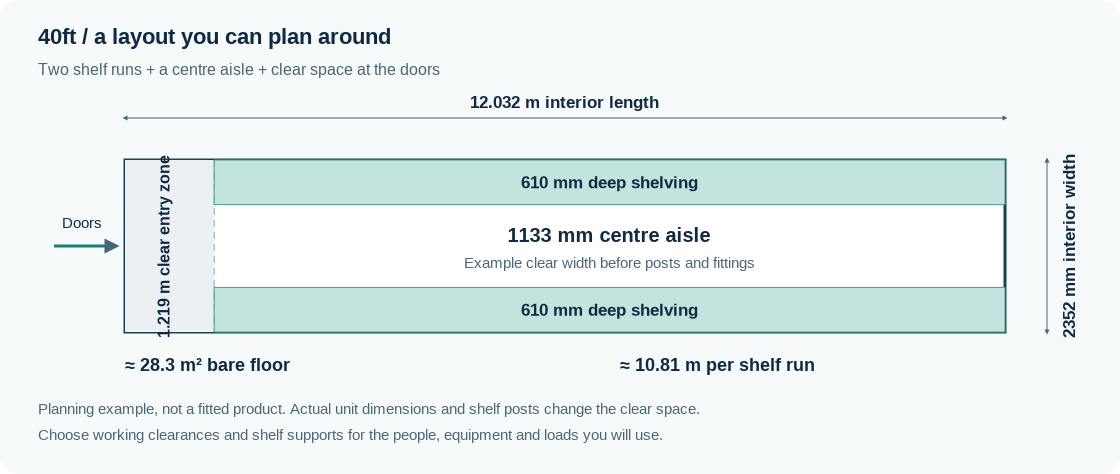
Keep daily tools and supplies within easy reach. Leave a clear receiving space to sort incoming goods before moving them farther inside; door handles and the threshold need to stay accessible.
Group cartons or parts by use and label their locations. Allow space to lift items from the shelves and turn with them. A tightly packed room can hold stock that is difficult to retrieve.
Place slower-moving items here and plan their removal before filling the front. Load large reserves first, then maintain a clear route back to them instead of stacking temporary deliveries in the aisle.
This example sets aside an approximately 1.22 m entry zone and uses approximately 610 mm deep shelving zones on both sides. A representative bare standard 40ft interior leaves approximately 1.13 m between those zones before uprights, lining or protruding goods. Check the actual repaired interior and the room required by your trolley, stock and shelf installation.
Choose aisle width for how you handle the goods; the sketch is not an access standard or a load plan. For less floor length, compare 20ft. For more vertical room, compare High Cube before choosing the used grade.
A single 40ft keeps stock in one long room. Two 20ft units can separate tools from reserves or give two crews independent access. Budget for the condition of each unit and how both will reach their positions.
| Compare | One used 40ft | Two used 20ft units |
|---|---|---|
| Retrieval | Long or bulky stock can stay in one continuous space; frequently used items should be near the entrance. | Each entrance serves a shorter room. Separate locks and stock lists can keep different users or supplies apart. |
| Repair scope | Inspect the full long body, floor and one cargo-door assembly. | Inspect both units. There are two roofs, floors and cargo-door assemblies to assess, with potentially different defects. |
| Total delivered budget | Price one unit, its identified repairs, transport, unloading and the prepared location. | Price two units and their individual repairs, plus both placements and support locations. Separate delivery trips may be needed; use the transporter’s quoted plan. |
Two shorter containers still need working space outside both doors. Side-by-side placement changes the overall site shape; end-to-end placement does not remove the walls between them. Check each intended position against the delivery approach.
In the illustrated layout, reserving one approximately 1.22 m entry zone leaves about 21.62 m of horizontal shelving runs in a 40ft. Reserving that zone in each of two 20ft units leaves about 18.72 m in total. This compares representative bare interiors before frames or repairs, not weight capacity or the number of goods stored.
Compare the complete alternatives using the same grade and repair requirements. Two low advertised unit prices do not settle the cost of moving, placing and preparing two usable stores.
Arrange a competent inspection where needed. Confirm whether photos show the assigned unit or a grade example, and agree how defects or substitutions are handled before payment.
Faded paint and ordinary dents may be acceptable for a working yard once the unit meets the project requirements. Separate the work needed for usable storage from painting wanted for appearance. Across a 40ft body, a full repaint and a local touch-up have different scopes.
Compare the delivered used option plus identified repairs, cleaning and equipment with a one-trip offer of the same height and door layout. Include when the work can be completed and any extra handling. A cheaper shell helps only if the finished storage meets your needs within your project budget.
Price the defects of the actual unit. A useful quote separates necessary repairs from the finish you want, with photos identifying the areas to be worked on.
| Work | Scope to compare |
|---|---|
| Steel and roof | Identify holes, corrosion or damaged panels; state the proposed repairs, replacement areas and checks after the work. A paint-only quote does not describe a steel repair. |
| Paint and preparation | State cleaning and rust or loose-paint removal, primer, finish and colour. Define whether both long sides, roof, door end and interior are included. |
| Wood floor panels | Locate damaged areas and specify which panels will be replaced, the replacement material, fastening and disposal. Check the support beneath affected areas; covering the surface is a different job. |
| Doors and seals | Separate work on alignment, hinges, locking bars, handles and gaskets. Include a check that the doors operate and close properly after the work. |
Include labour, materials, whether work takes place at the depot or your site, any lifting or extra transport, and the agreed handover checks. Establish which repairs are completed before delivery and who handles an unresolved defect.
After floor or structural work, suitability for your stored loads still depends on the actual unit and repair. A repaired section or new coating is not a substitute for an assessment where the condition is uncertain.
Start with a sound storage shell, then choose accessories around the goods and the handling route. Keeping a leak, damaged floor or stiff doors in the plan can make a cheap fit-out expensive to rework.
| Need | Practical choice |
|---|---|
| Small tools and cartons | Shelves and labelled bins keep items visible. Match the shelf rating and attachment method to the stored loads and the actual shell; leave room to remove stock without blocking the aisle. |
| Access to the far end | Include lighting along the room and a usable switch location. If power is needed, budget for the supply and installation as well as fixtures. |
| Wheeled loads | Choose a ramp for the installed threshold, ground and intended equipment. Include the combined moving load and how the ramp will be stored without blocking the doors. |
| Security | Check the doors and locking hardware first. A compatible lockbox protects the padlock area; include fitting and the lock if they are separate. |
| Moisture-sensitive stock | Define the goods’ temperature and humidity needs. WWT addresses water ingress; it does not actively control the storage environment. |
Resolve necessary shell repairs before attaching shelves or adding services. On a used unit, map fixtures around repaired areas and keep those areas accessible for later inspection. Compare the installed setup, including accessories and any remedial work, with the one-trip alternative.
Standard-height 40ft dry containers are nominally 12.192 m × 2.438 m × 2.591 m. High Cube adds 305 mm of exterior height with the same footprint. See the parent comparison for interior and doorway examples, and confirm dimensions after repairs or alterations.
Allow for the vehicle, turning and unloading beyond the footprint. Share gates, slopes, overhead obstructions, ground conditions and door orientation. Have suitable firm, level support assessed.
Confirm whether tilt-tray delivery includes ground placement. A flatbed normally requires separate lifting; pickup also leaves transport and unloading to arrange. Specify equipment responsibilities, placement limits and special-access charges.
Compare the finish, buying budget and checks that matter to your project.
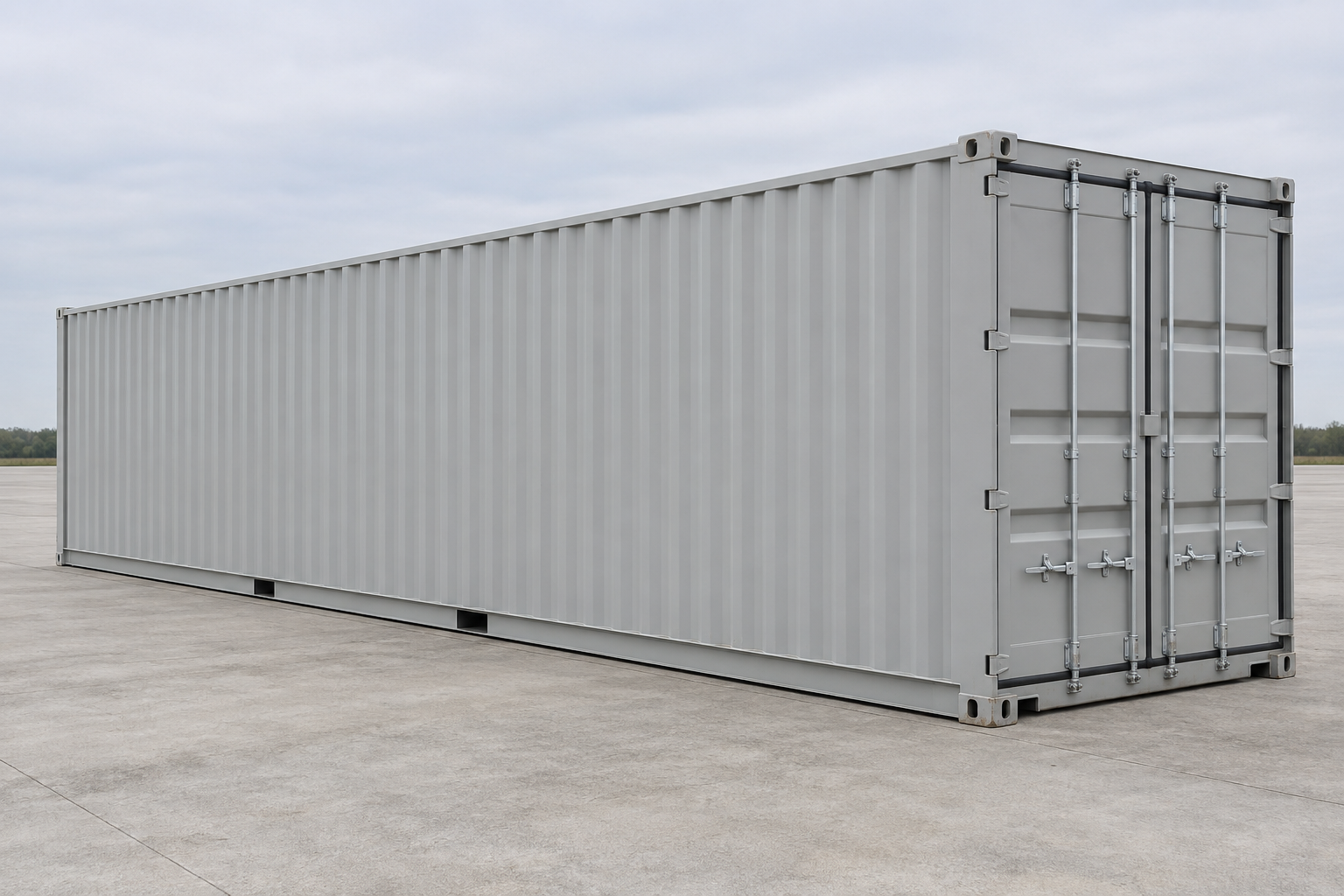
A cleaner finish, with less visible wear. Check the included features and any handling marks.
Explore 40ft new / one-trip →Compare storage and cargo-worthy options. Check the actual floor, doors, repairs and weather sealing.
You are viewing this optionCompare the floor surface, wall wear and visible repairs, then request close-up photos of the actual unit.
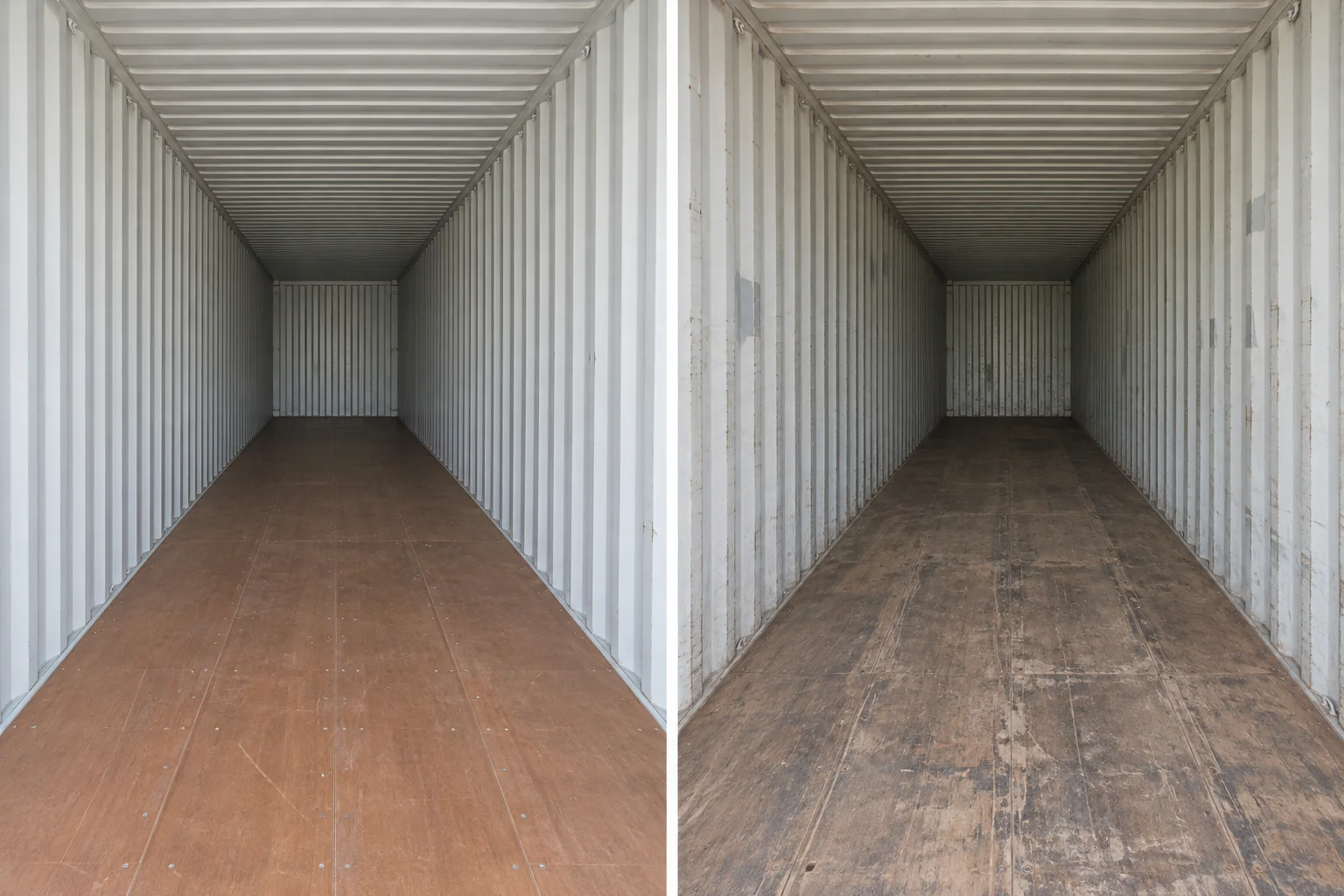
Illustrative appearances. Paint and rust alone do not establish weather-tightness or suitability for shipping.
WWT describes storage condition. Confirm actual structural condition, the CSC plate, current examination status and documents your carrier requires. WWT alone does not establish acceptance.
“Used” does not establish age. Request the manufacture date and known service or repair history. Age alone does not establish condition or remaining life.
Location, severity and repair quality matter. Cosmetic wear does not prove structural damage, and a clean exterior does not prove sound structure. Obtain a competent assessment of uncertain areas.
The image is illustrative. Request assigned-unit photos or confirm the selection process, acceptable condition and remedies for a mismatch before buying.
Include the condition, unloading and any work your container needs.
Choose the condition your project needs. The supplier confirms the actual unit, condition criteria and availability.
A less weathered finish
Compare handling marks, included fittings and the work a used shell would need.
Explore New / one-trip →For enclosed on-site storage
Establish sealing, floor and door condition. Plan moisture-sensitive storage separately.
Explore Wind & water tight →For a cargo-transport project
Establish the unit inspection, current examination and documents required for the shipment.
Explore Cargo worthy →For an assessed repair project
Compare disclosed defects, handling and repair costs with a WWT alternative.
Explore As-is →Used appearances can overlap across grades. An illustration cannot establish watertightness, cargo suitability or the defects of an offered unit.