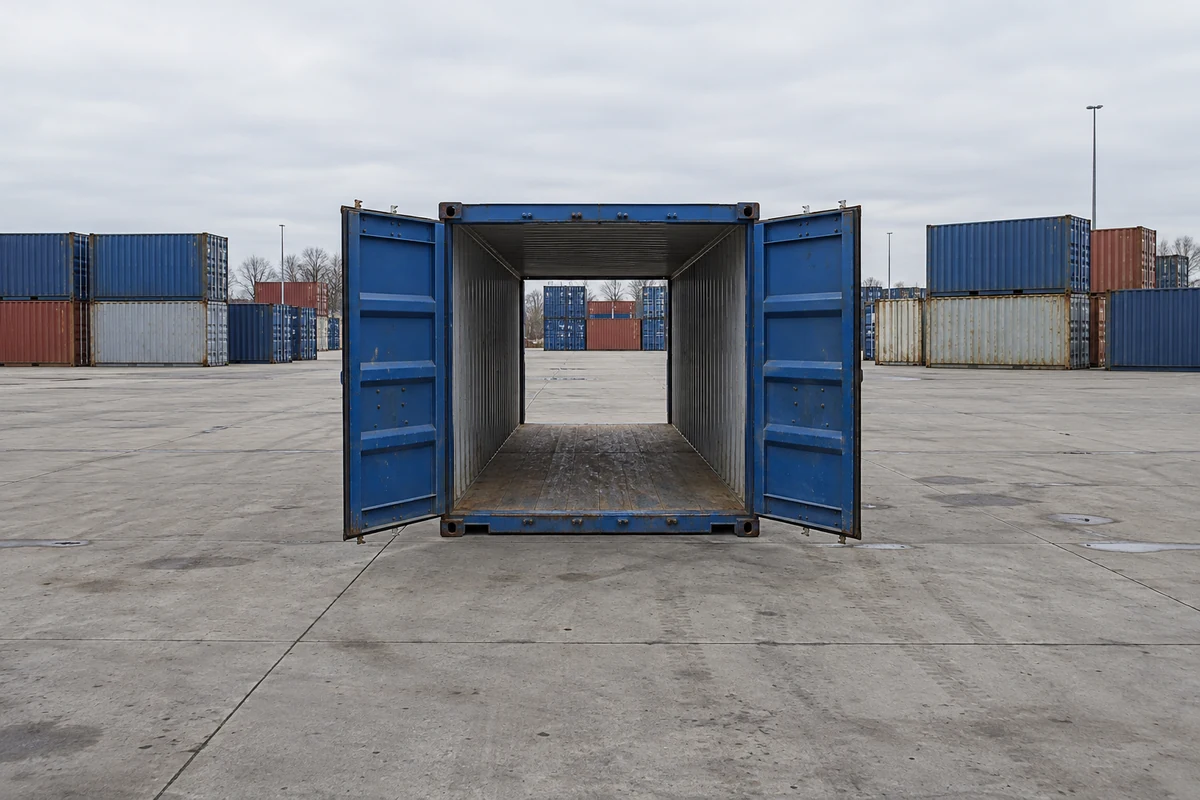
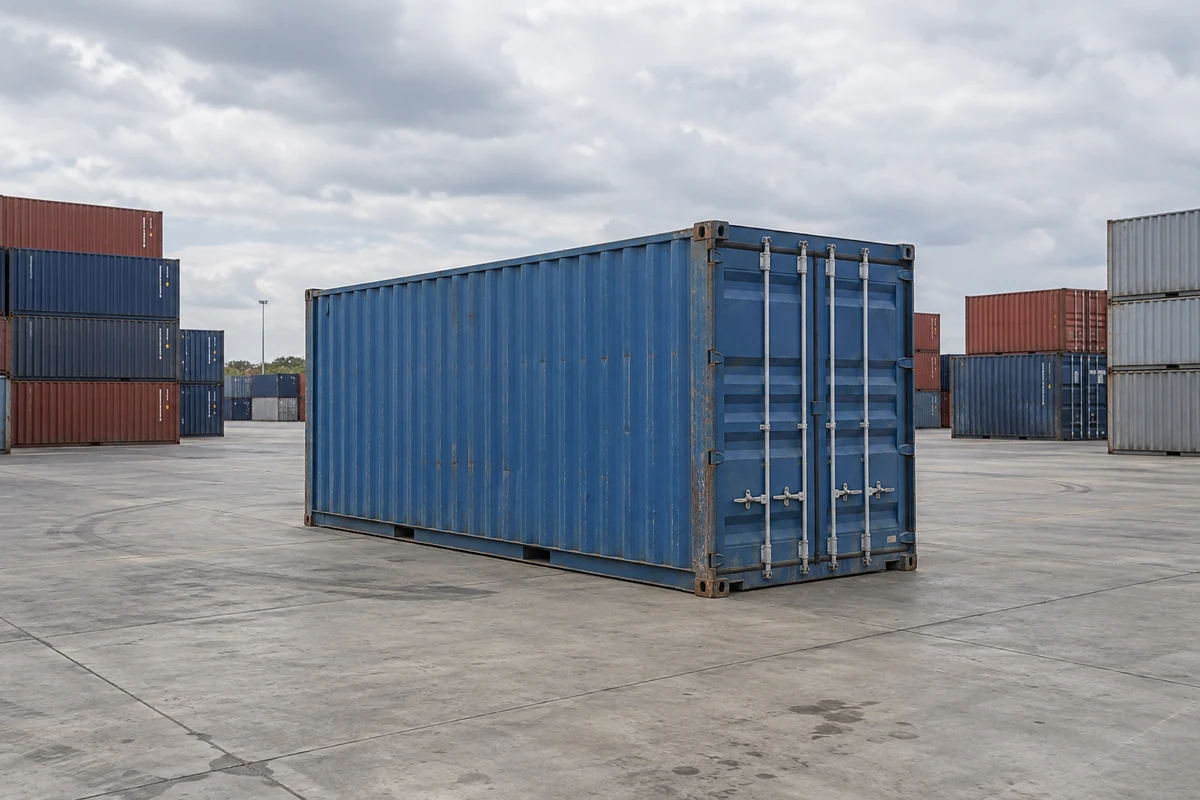
20ft standard container — used
- Used
From A$2,050
Advertised price, checked 16 Oct 2026 · ex. GST · before delivery
Delivery quoted to your postcode
Prepare your Australian container request. Find the right price for your project.
20FT / WIND & WATERTIGHT
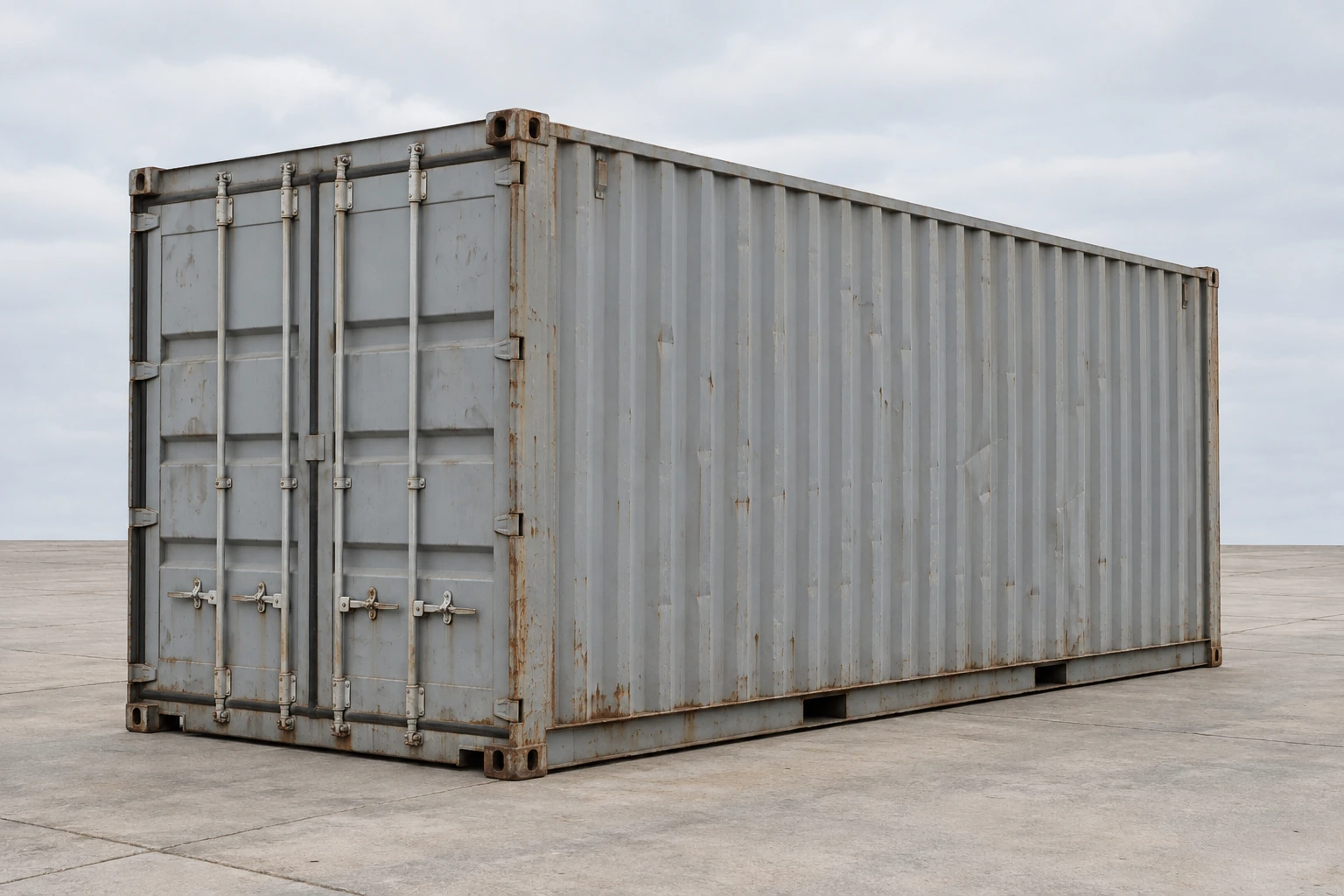
A 20ft wind and watertight container can suit tools, equipment and general stock storage when you can accept a used finish. Make keeping rain out part of the written purchase requirements, check the actual roof, floor and doors, and compare a complete delivered quote. Plan separately for condensation and any freight use.
From A$2,050
Advertised price, checked 16 Oct 2026 · ex. GST · before delivery
Delivery quoted to your postcode
Prices are examples advertised by sellers on the date shown, not ContainerPick offers. Stock, condition and the delivered total are confirmed in each quote.
The useful saving is buying an adequate storage shell while accepting ordinary signs of use. Decide what must work and what appearance you can live with before comparing offers.
Prioritise a serviceable floor, doors you can operate during routine visits and a suitable lock fitting. Painted scrapes may matter less than being able to roll equipment in and retrieve it without unloading the front.
Make a list of the contents and how often you need them. A sound shell can protect against outside rain, while paper, textiles and moisture-sensitive equipment may need additional environmental control.
For a more consistent finish, compare one-trip. For overseas freight, review cargo-worthy condition and the transport documents first. These are different reasons to spend more than the storage-only requirement.
Review the requirements for freight use →A grade name or a clean paint finish is too little to select a unit. Ask what was checked, which repairs were made and how the order deals with a leak or a non-working door.
| What to establish | Useful evidence |
|---|---|
| The unit being sold | Current photos associated with its identification number, or a written explanation of grade-based allocation and substitutions. |
| Roof and walls | Views showing seams, patched areas and damaged panels, with any identified water-ingress repairs recorded. |
| Doors and seals | A demonstration that both leaves close and latch, plus close views of the gaskets and door edges. |
| Floor and interior | Views of the complete floor, corners and repaired sections; a response to damp areas, residues or persistent odours. |
| The purchase requirement | Written WWT criteria, the checks performed and the agreed process for reporting and resolving a condition mismatch. |
Light visible through a closed shell can help identify possible leakage points. The absence of visible light alone does not prove that every seam is watertight. Have uncertain areas assessed using an appropriate inspection or leak-check method.
WWT is a storage-condition description, with terms that vary between sellers. It does not by itself establish structural suitability for international transport, a current freight survey or acceptance by a carrier.
| Storage problem | Decision before purchase |
|---|---|
| Damp cartons or wet tools entering the unit | Provide a drying or sorting step before packing them away; the shell cannot remove the water you bring inside. |
| Condensation during temperature changes | Assess ventilation, insulation or powered humidity control for the local conditions and the contents; include equipment, installation and operation in the budget. |
| Goods with a specified storage range | Choose a designed controlled environment rather than relying on the WWT label or the standard small vents. |
Moist air can deposit water on cold steel even when outside rain cannot enter. Wet equipment, damp packaging and changing temperatures can therefore create a storage problem inside a WWT container.
Decide what your contents need before buying accessories. Keep incoming goods and packaging dry, avoid mixing wet equipment with paper or textiles, and plan the air space around stored items. If the goods need controlled conditions, specify the required humidity or temperature range and design the system around it.
A container-only price leaves several parts of the purchase unresolved. Ask each offer to cover the same WWT requirement, placement location and storage setup.
| Budget line | What belongs in it |
|---|---|
| Container and agreed condition | The standard 20ft unit, the defined WWT requirement and any necessary work included before dispatch. |
| Transport and placement | Haulage to your postcode, unloading equipment, the agreed placement and any quoted access or waiting charges. |
| Site preparation | Ground and supports needed for the selected position, plus any access work required by the transporter. |
| Storage equipment | The lock fitting, shelves, ramp or moisture-control system your contents need, including installation where requested. |
| Applicable taxes and separate checks | Taxes, an independent inspection if commissioned and any specifically requested service outside the base scope. |
Count an included service once. If a fee, repair or installation is unspecified, keep it unresolved until quoted. A lower shell price can be offset by extra transport, repair or equipment work.
Use the same comparison with a one-trip unit. If cosmetic wear is acceptable and the WWT unit meets the job without substantial preparation, spending more may bring little storage benefit. If the proposed repair and finish bill closes the gap, reconsider the better starting shell.
| Your priority | Choice to investigate |
|---|---|
| General storage ready after placement | WWT with documented shell condition and agreed remedies for a mismatch. |
| Using your own container for freight | Cargo-worthy with current examination evidence and the intended carrier's approval process. |
| A consistent finish and limited wear | New or one-trip, with acceptable handling marks and finish requirements recorded. |
| A repair project you can price and manage | An identified as-is unit with a defect list, assessed handling and a complete repair budget. |
Age and cosmetic wear alone do not settle this choice. Compare the condition you can verify, the work the purchase includes and the outcome your project needs. An as-is container that still needs leak repairs is a different purchase from a unit sold to an agreed WWT requirement.
Send the transporter photos of the route and intended position, with gates, slopes, overhead obstacles, ground conditions and the desired door direction. Confirm the actual vehicle and unloading method; the container's footprint does not describe the truck's working space.
Agree who prepares the supports and who provides lifting equipment if the delivery method needs it. Keep room outside the doors for opening them and handling your goods.
On arrival, match any assigned container number and record visible differences from the order. After placement, test the doors and check the interior before filling the unit. If doors that worked before dispatch now bind, have the support and alignment assessed. Keep photos and use the agreed reporting process for any condition discrepancy.
Compare the finish, buying budget and checks that matter to your project.
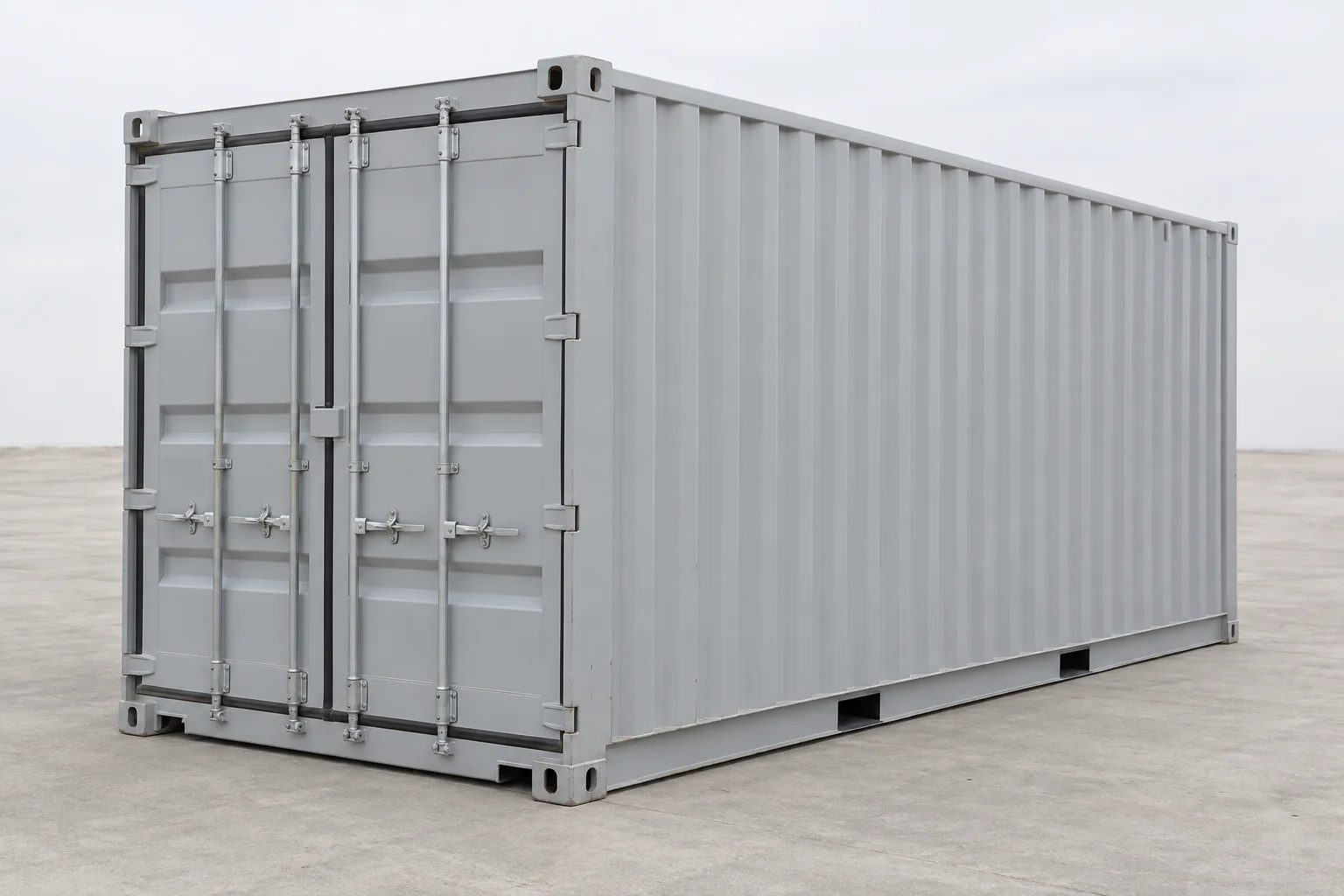
A cleaner finish, with less visible wear. Check the included features and any handling marks.
Explore 20ft new / one-trip →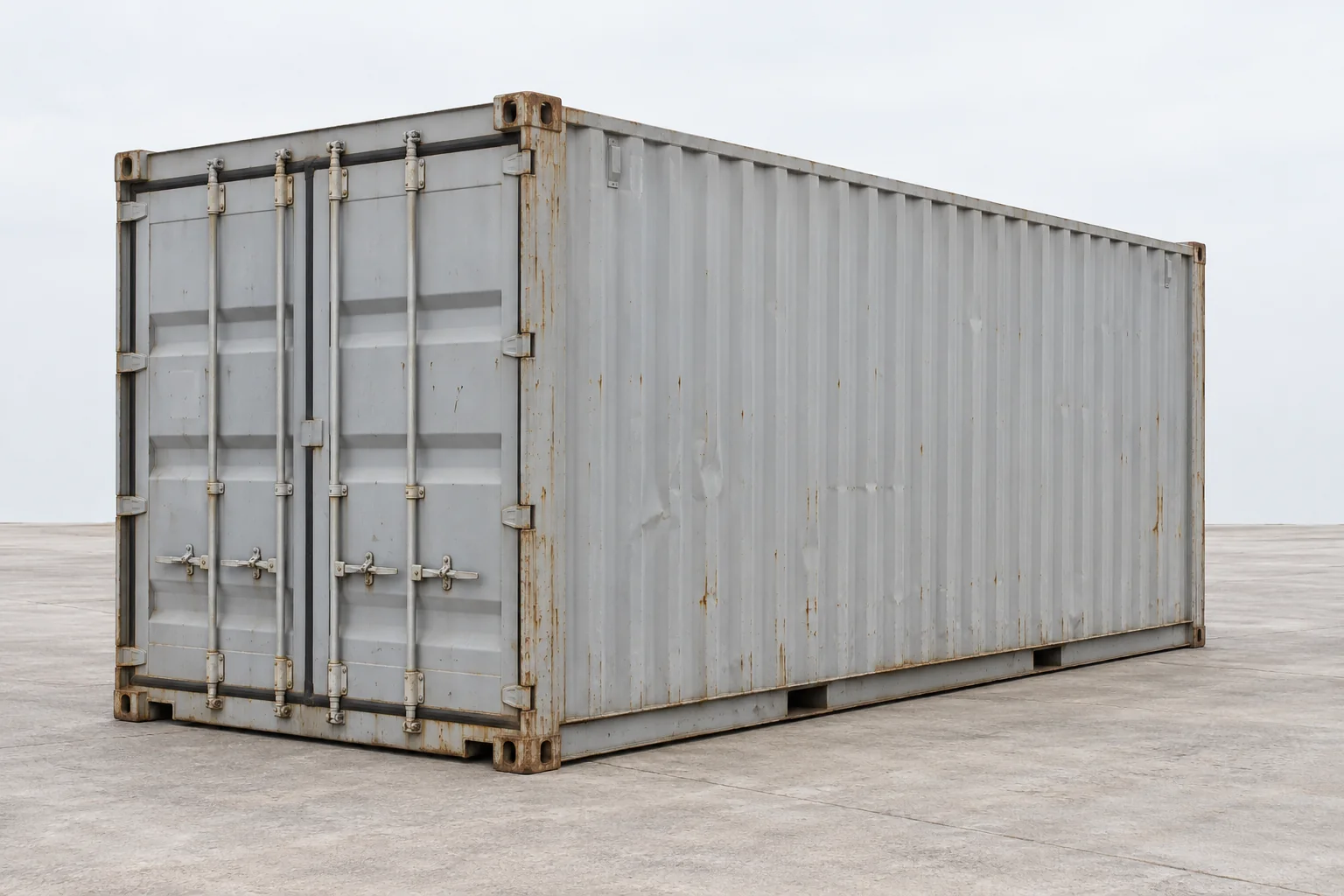
Compare storage and cargo-worthy options. Check the actual floor, doors, repairs and weather sealing.
Explore 20ft used →Used means the container has been used before. Check its grade and condition records to see whether it suits your plans.
For storage: compare weather sealing, floor condition and working doors. A WWT label does not establish approval for ocean shipping.
You are viewing this grade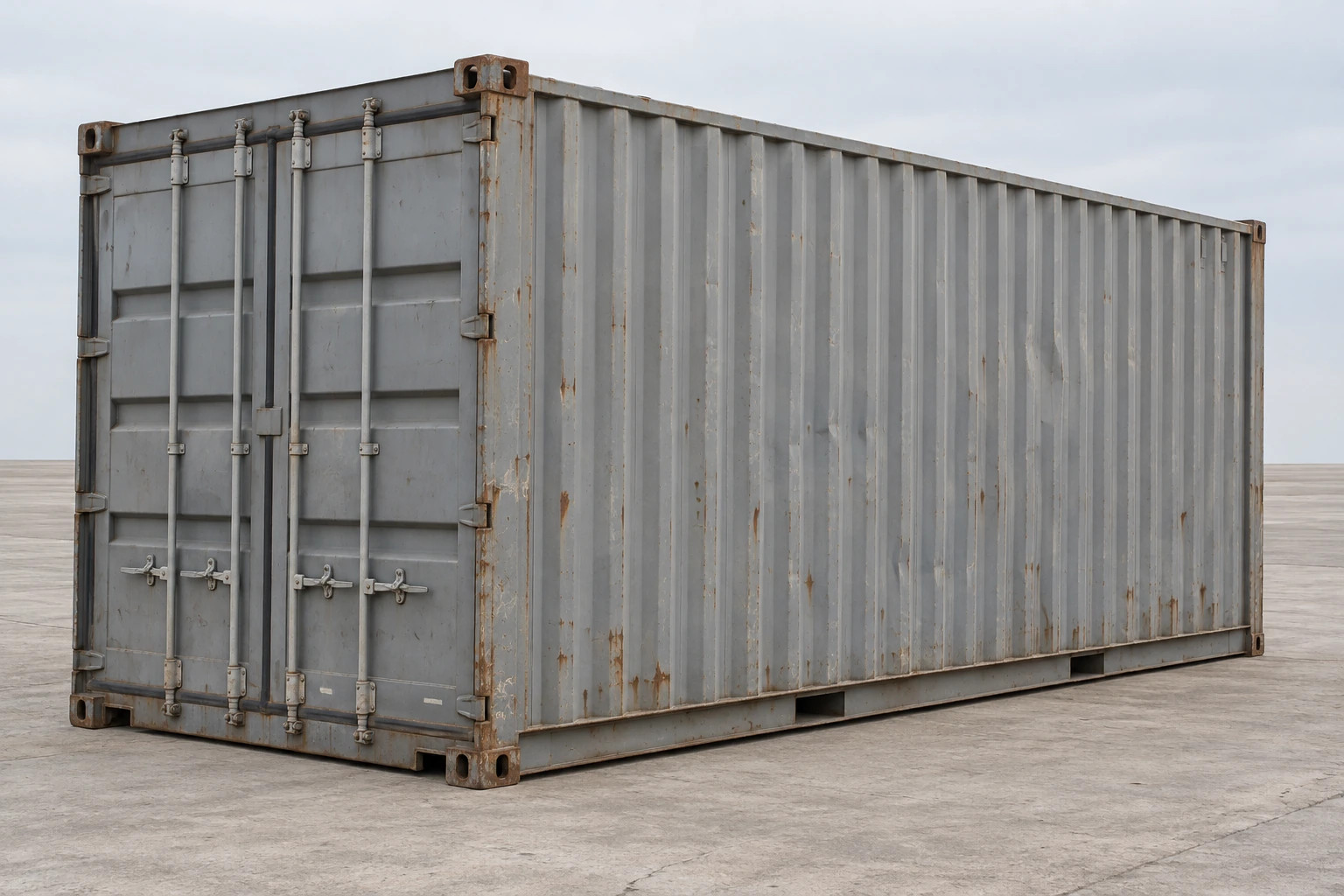
For a transport project: compare the actual inspection, CSC examination records and acceptance by your intended carrier.
Explore cargo-worthy →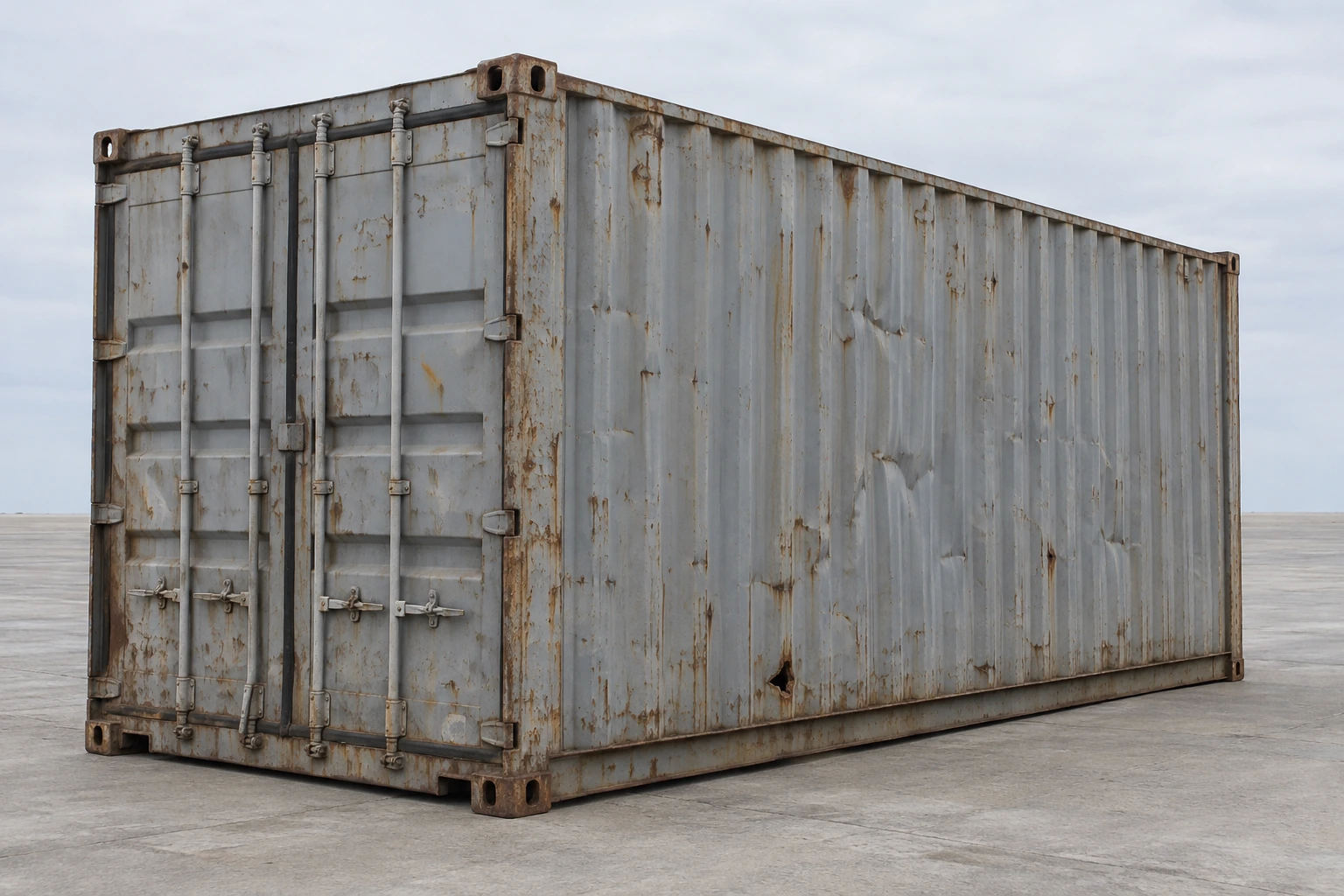
For a repair project: identify the defects and price the work before comparing the complete cost with a usable container.
Explore as-is →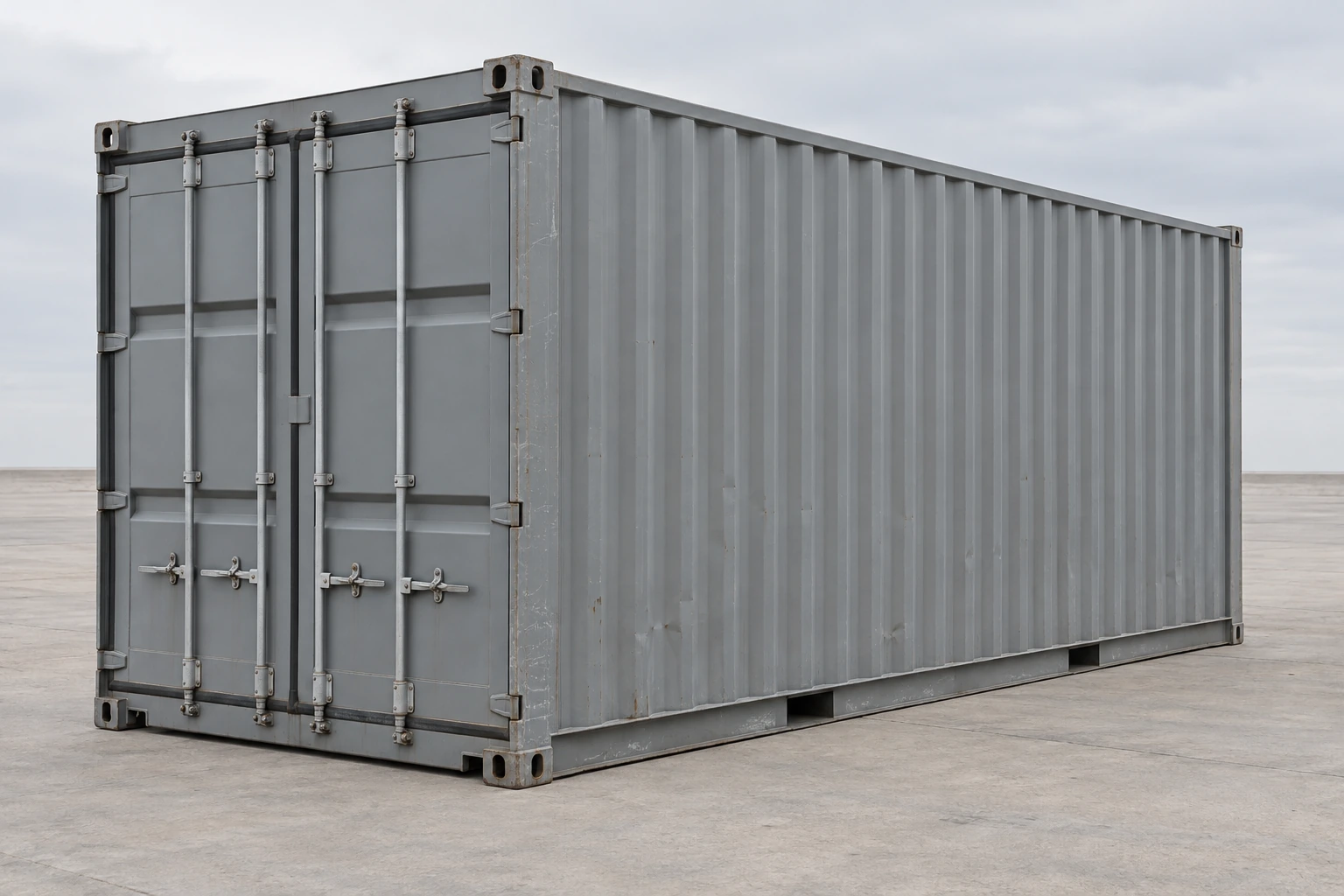
Compare an offer described as lightly used with one-trip. Confirm the actual history and finish; the label is defined by the seller.
Explore multi-trip / limited use →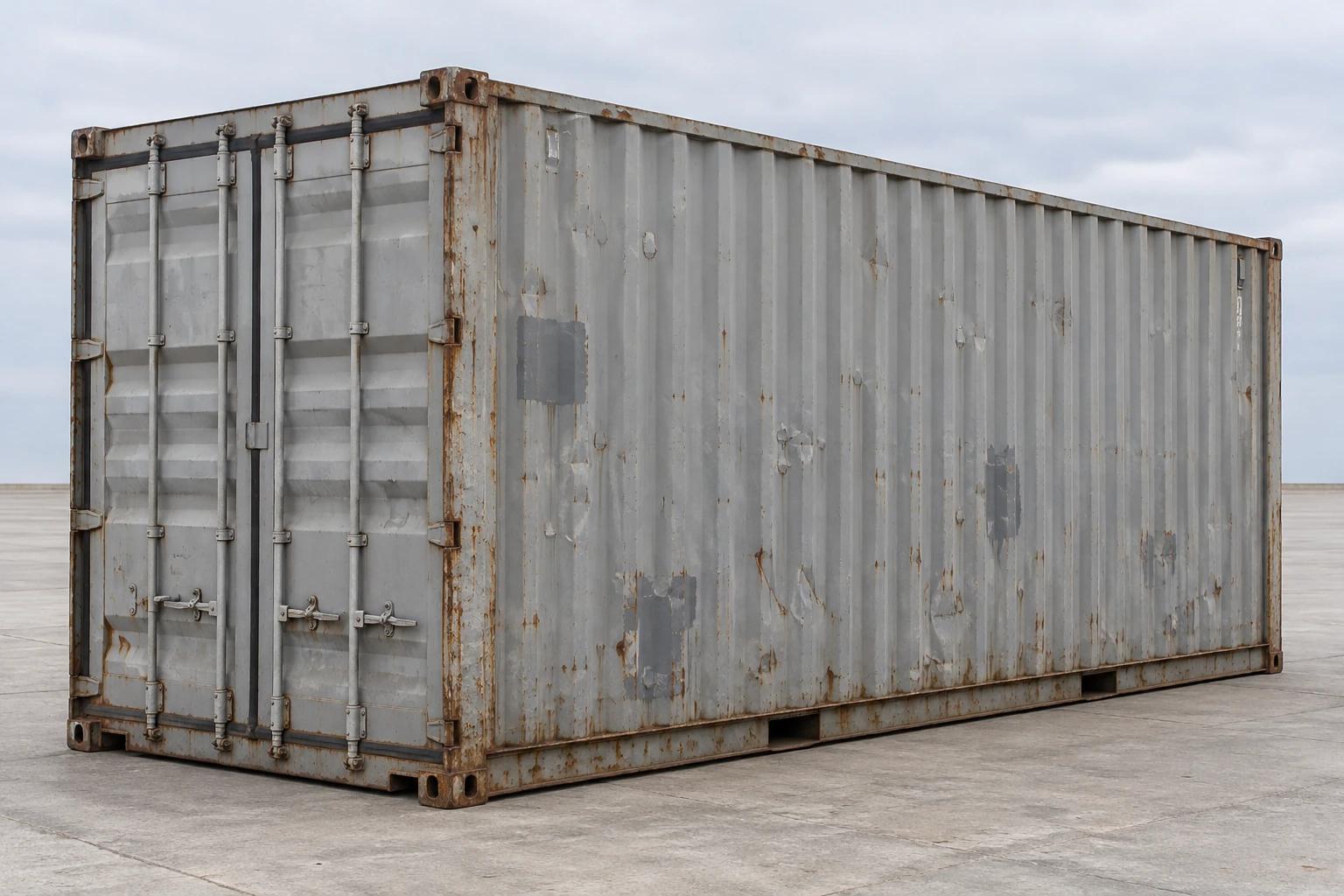
Compare budget storage offers by the defects accepted and the protection included. Economy does not automatically mean WWT or as-is.
Explore economy grade →Compare the floor surface, wall wear and visible repairs, then request close-up photos of the actual unit.
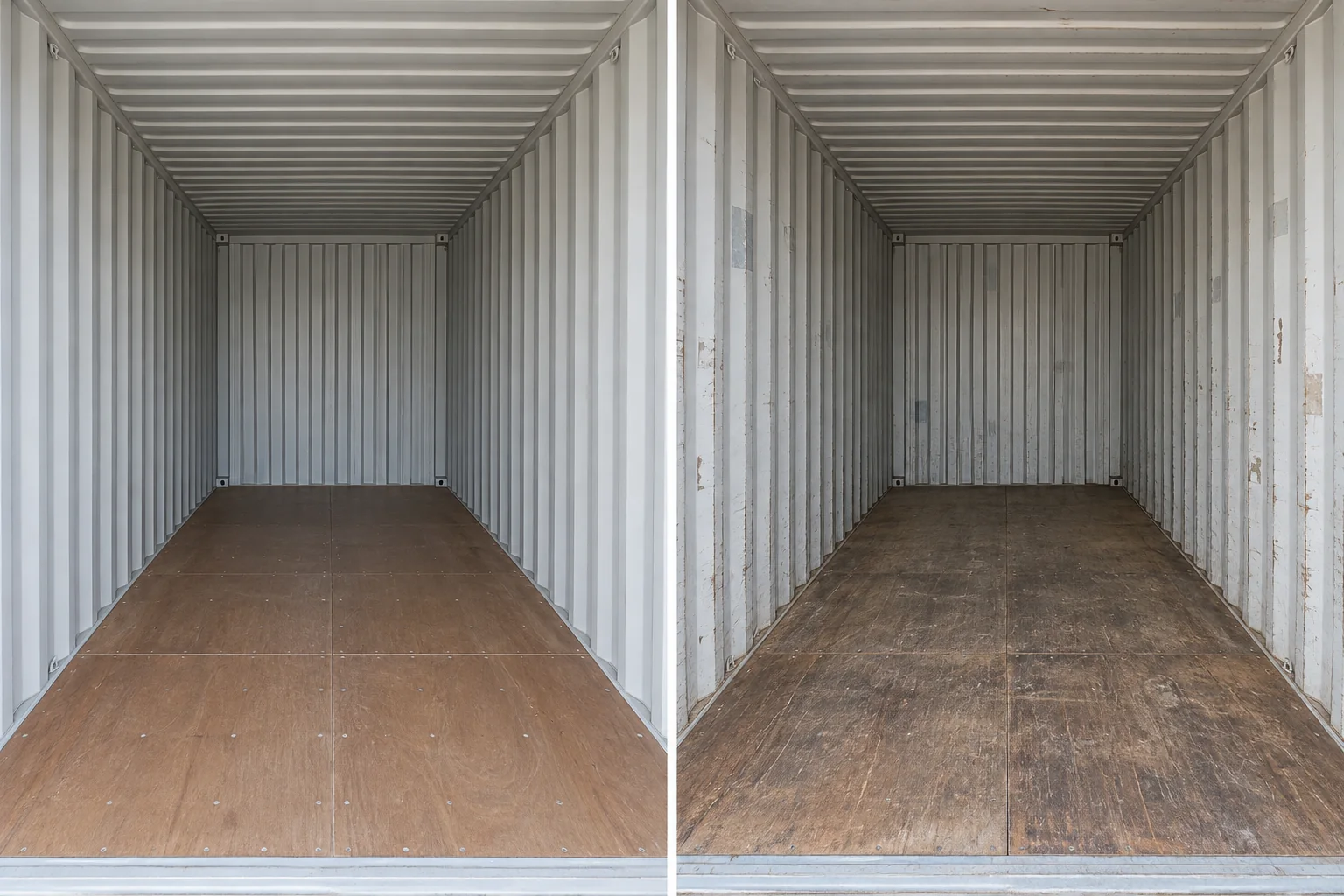
Illustrative appearances. Paint and rust alone do not establish weather-tightness or suitability for shipping.
No. A used WWT unit may have dents, worn paint, rust or previous repairs. Assess their location and severity and confirm that the actual shell meets the written storage requirements. Appearance alone does not establish condition.
The shell's resistance to outside water is only part of that decision. Check the goods' humidity and temperature needs, how dry they are when loaded and whether condensation control is required. WWT does not provide a controlled storage environment.
The WWT label alone does not establish freight acceptance. Review the actual structural condition, CSC approval plate, current examination status and any survey or documentation your intended carrier requires before buying for cargo transport.
Yes, if the actual condition and existing finish meet your requirements. Distinguish necessary repairs and corrosion preparation from a full repaint chosen for appearance. Have any work included in the purchase described in writing.
Include the condition, unloading and any work your container needs.