
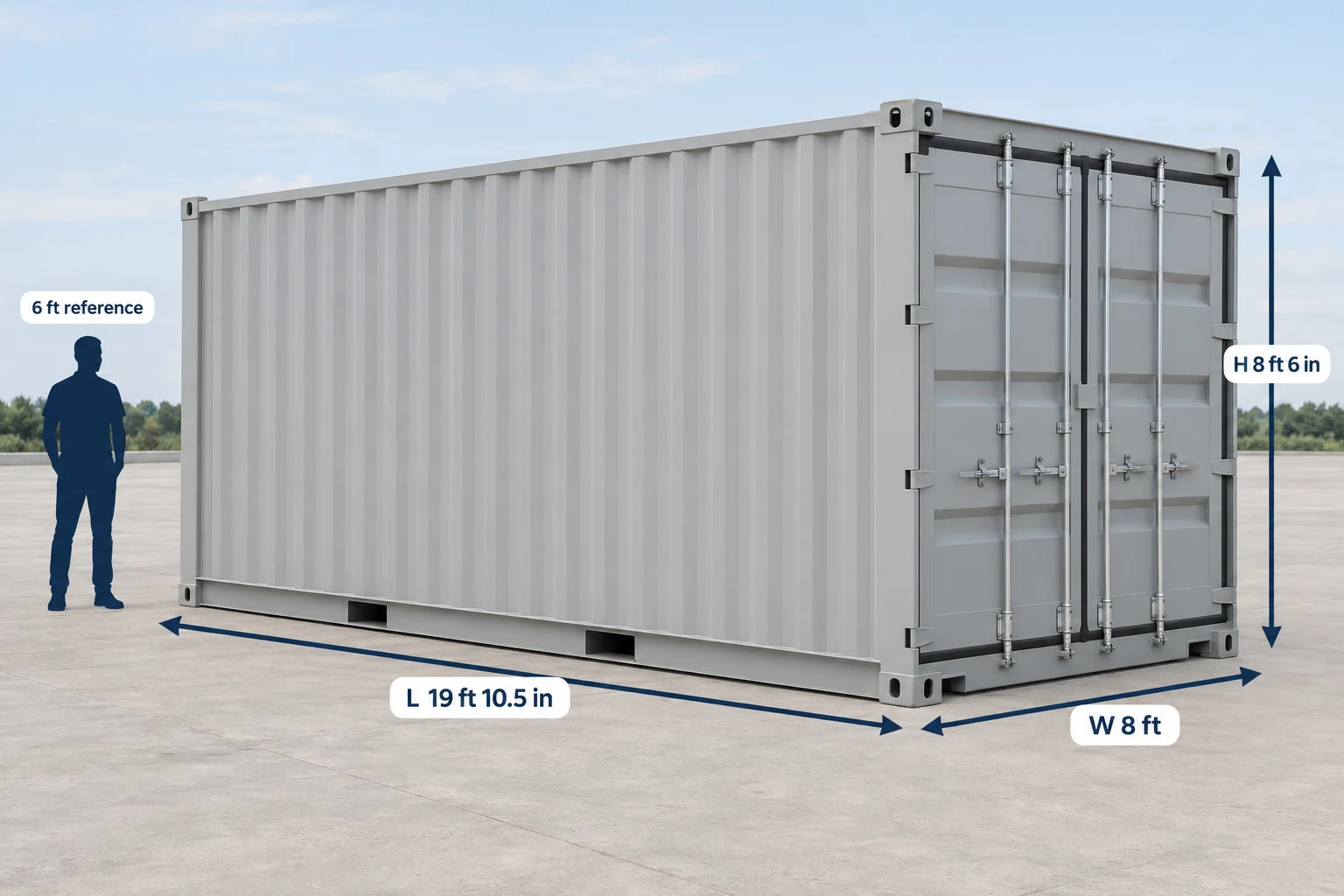
20ft standard
Start here for a dry tool or material store. Plan the contents and a usable retrieval aisle before deciding whether a longer unit adds value.
Compare the actual unit’s photos and condition description.
Compare offers from multiple suppliers. Find the right price for your project.
For a Mesa container purchase, start with the dry contents, the space they need and the condition you want. Compare the formats below, then prepare an itemized request for your address and proposed use.
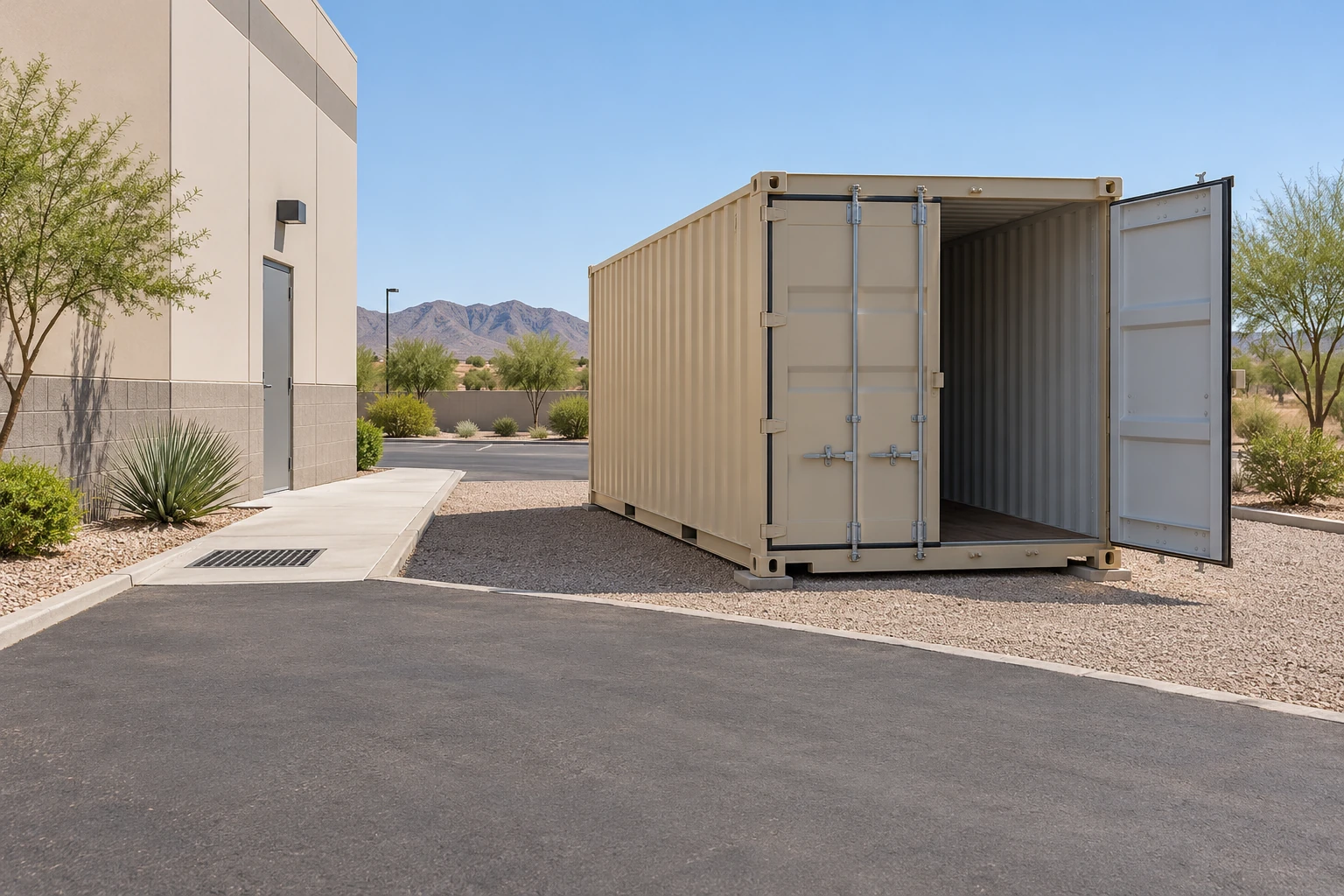
Compare length and headroom with the actual contents and how you will retrieve them. The product pages hold the measured model examples and format details.
Start here for a dry tool or material store. Plan the contents and a usable retrieval aisle before deciding whether a longer unit adds value.
Compare the actual unit’s photos and condition description.
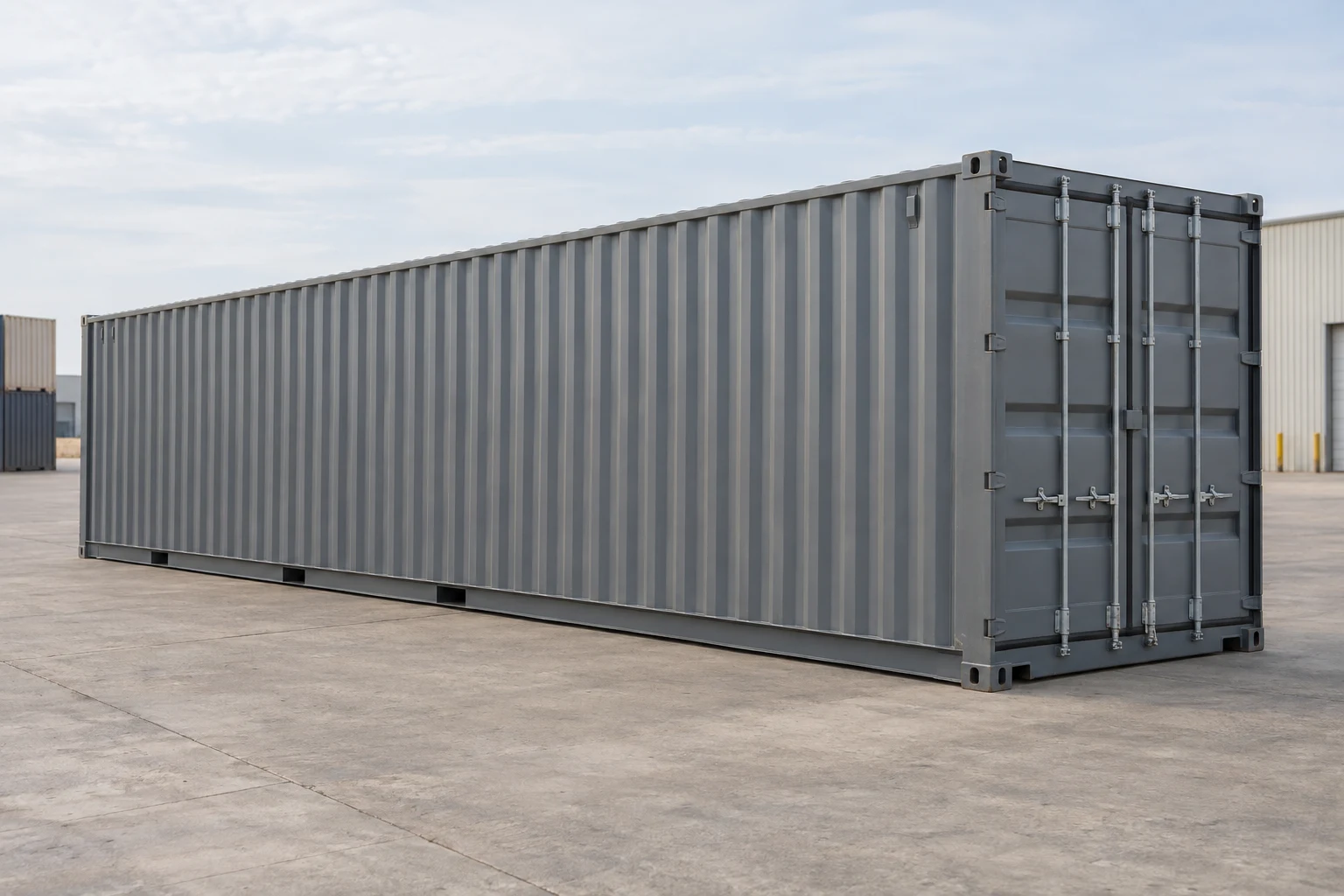
Compare a longer shell for a larger inventory or long stock. Include its proposed position and the carrier approach in the same purchase decision.
Compare the actual unit’s photos and condition description.
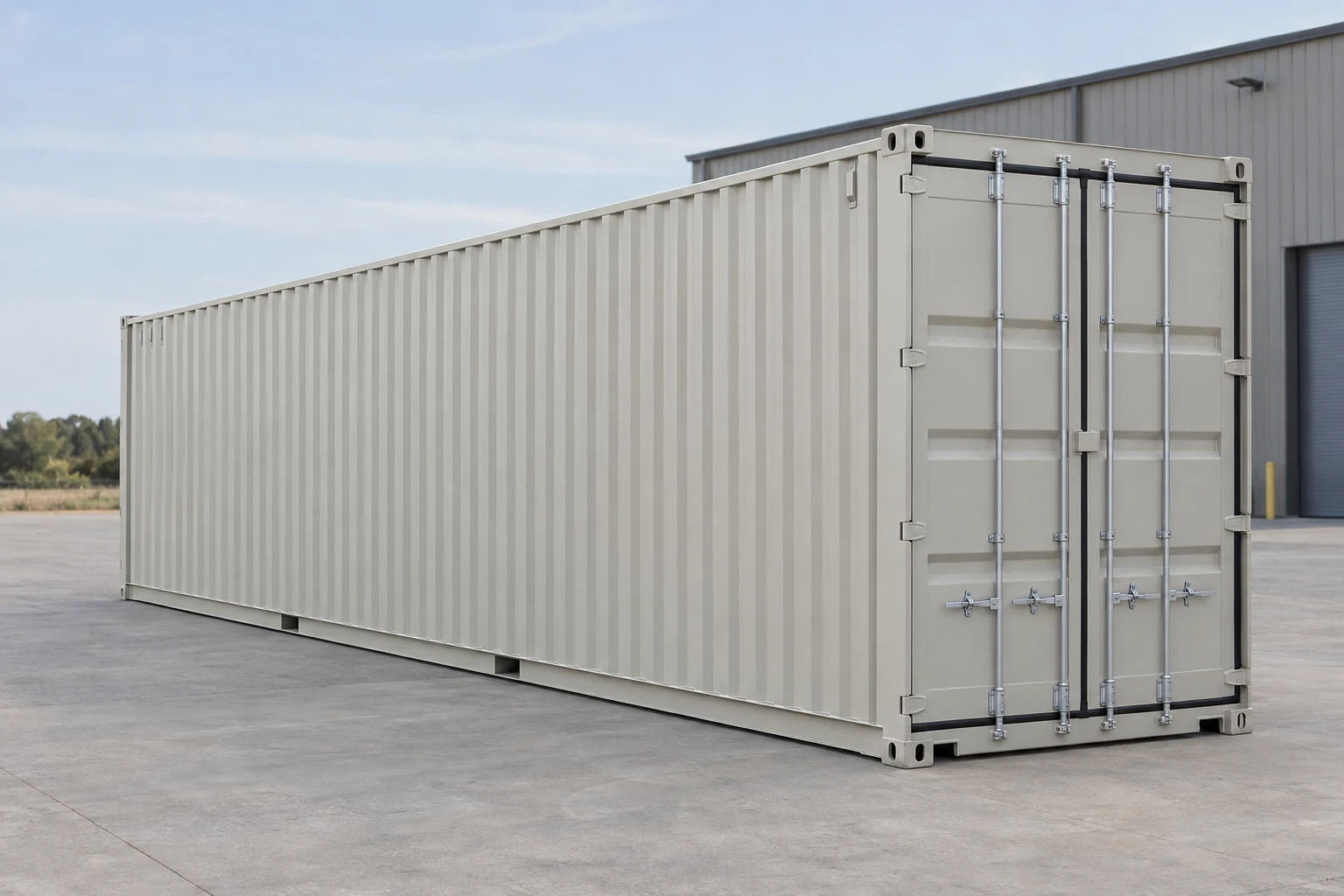
Consider extra headroom when tall contents or a specified interior layout justify it. Review the model examples on the format page, then confirm the offered unit.
Compare the actual unit’s photos and condition description.
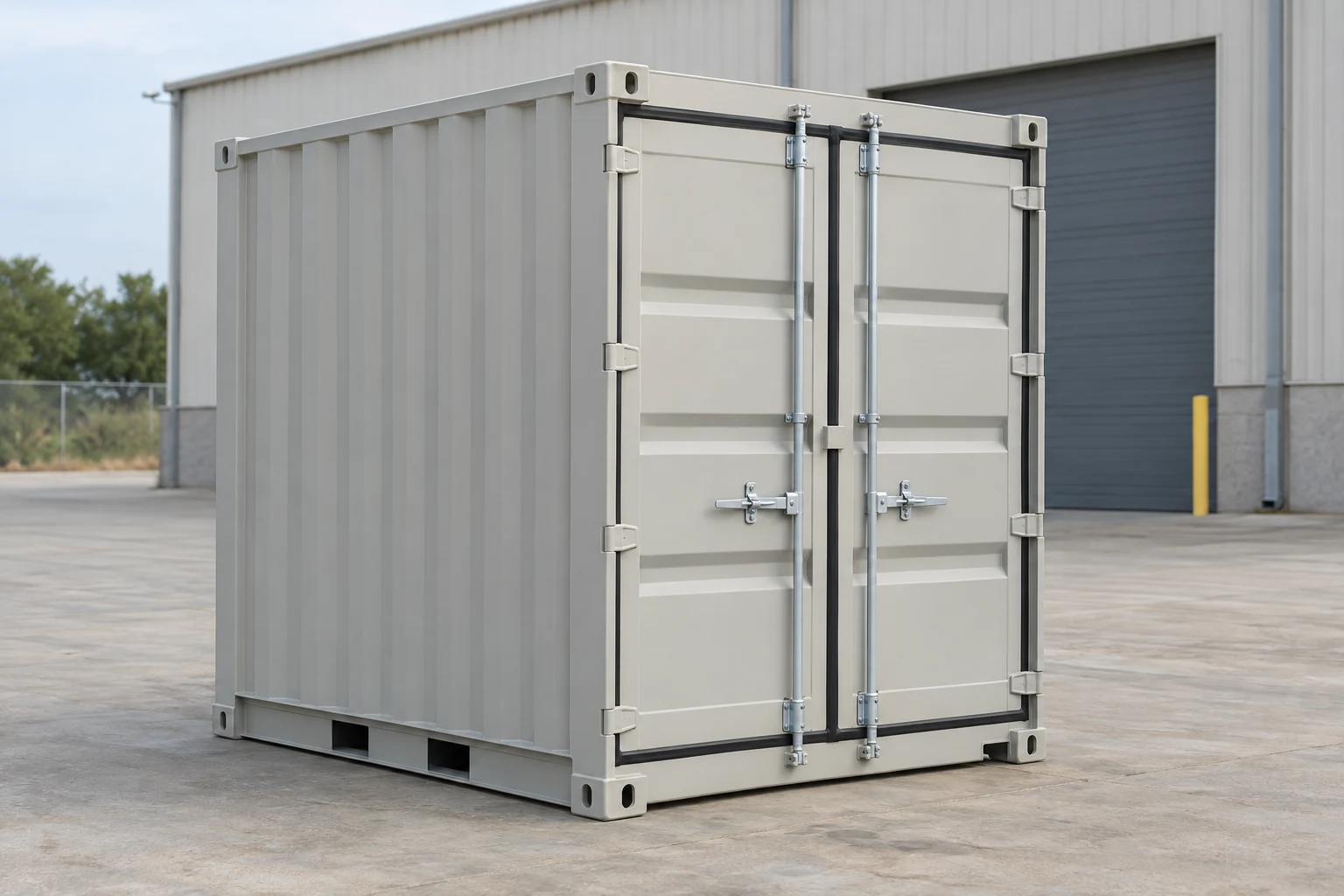
For a limited set of supplies, compare compact storage with a longer shell. Review the model examples and construction choices on the product page, then confirm the offered unit.
Compare the actual unit’s photos and condition description.
Used and one-trip are condition choices, not confirmation of local stock. The images illustrate formats.
Specify the finished function before pricing a conversion. An office and a workshop need a project description that goes beyond stored contents.
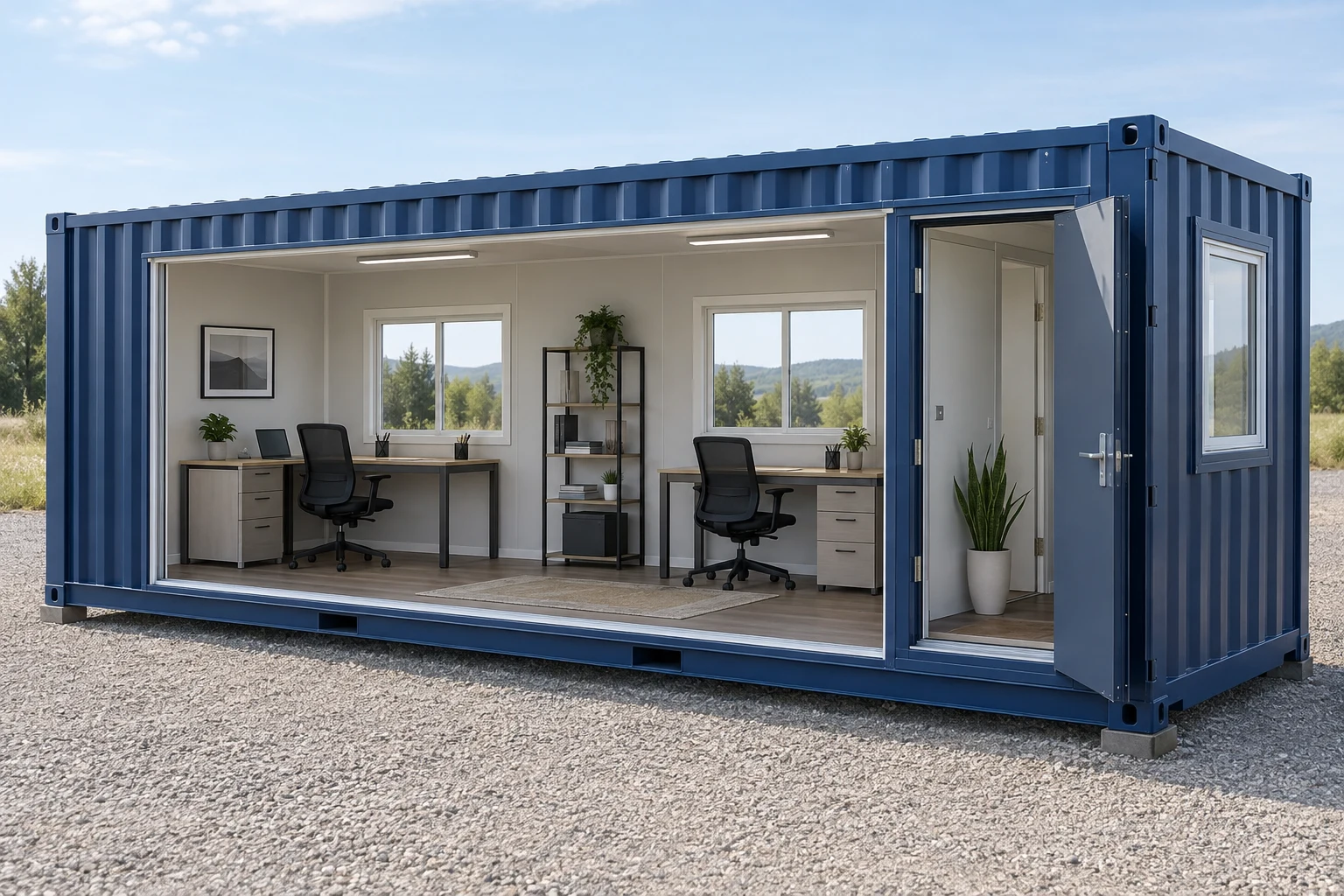
Describe who will work inside, the layout, utilities and installation before comparing a finished office. Include the occupied use in the Mesa project description.
Compare the finished interior and equipment condition as well as the shell.
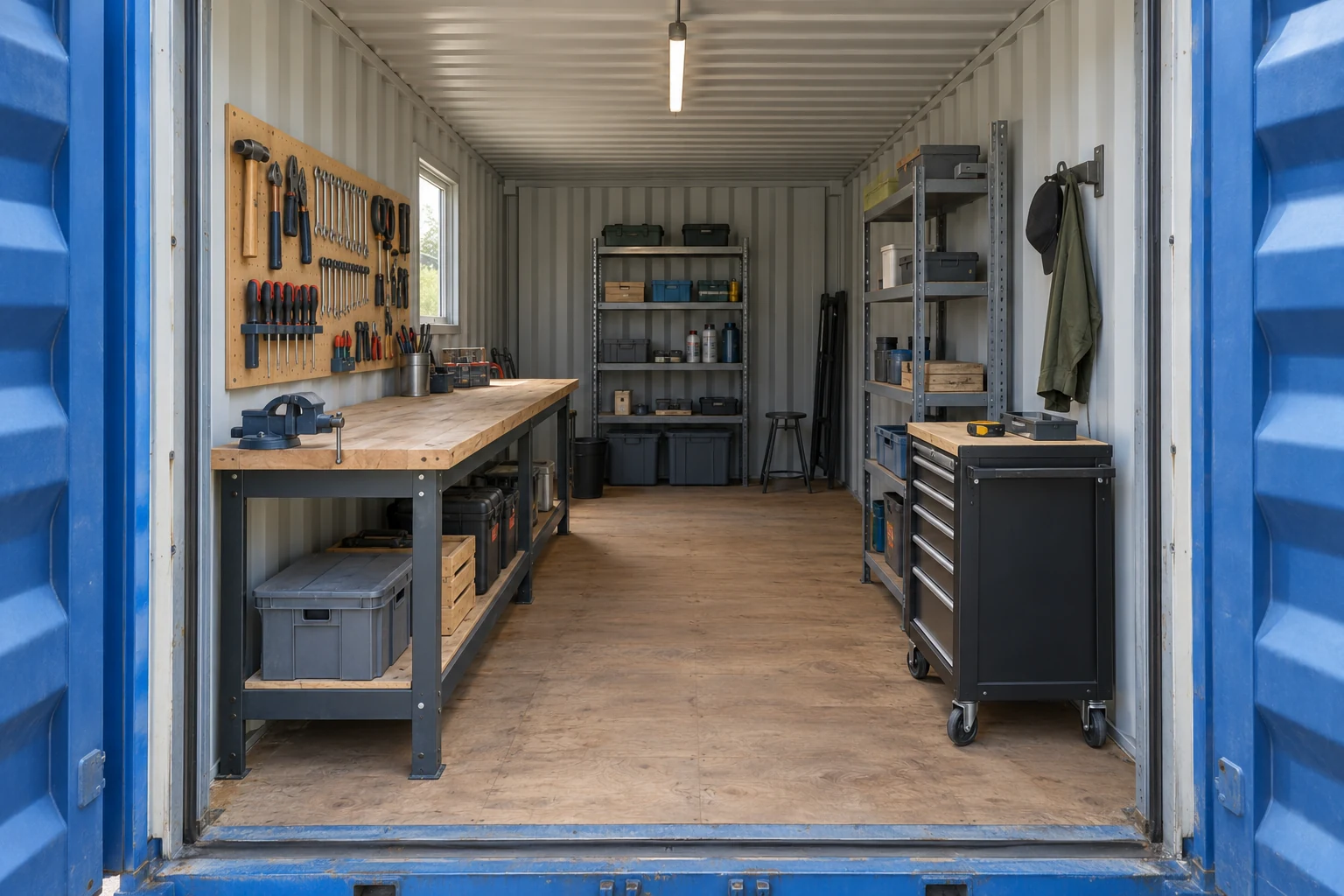
If work will happen inside, describe the tasks, equipment, ventilation, power and alterations. Price the finished scope separately from a plain storage shell.
Define the work area and installed systems for the proposed activities.
A pickup-only unit price and a delivered offer cover different work. Use the same receiving address and unloading scope to compare them.
| Cost line | Put this in the comparison |
|---|---|
| Container purchase | Actual unit, format, condition, quantity and supporting photos or inspection details |
| Transport to the Mesa address | Actual release point, receiving ZIP/address and the proposed vehicle |
| Unloading and final position | Method, responsible party and whether movement into the chosen position is included |
| Site work and extras | Preparation, lifting, waiting or additional trips where applicable |
| Complete offer | Applicable tax, included and excluded work, offer date and validity |
Use and duration are information to give Mesa for review. Write down what the container will do at the actual property, rather than relying on the word “temporary.”
For construction storage, include the project dates and planned removal. For periodic business storage, explain when the unit arrives and leaves. If it is intended to stay, say so. Include the contents and whether any work will happen inside.
Identify who reviews the receiving property. For a City of Mesa parcel, ask Planning to check the proposed use and location at that address and identify any additional review. Include the actual property details, rather than only supplying the delivery ZIP.
A sketch can show the number and size of units, their position beside buildings, cargo-door access and the vehicle approach. Include drainage features and circulation that the placement could affect. Ask Mesa which documents the actual proposal needs.
Tell Mesa if people will work inside or if you plan structural changes, power, cooling or other systems. Planning and building review address different parts of the proposal; establish which apply before buying a fit-out.
These descriptions help explain the proposal. They do not establish a permitted storage category or approval for the property.
Review photos of the actual unit, including the roof, floor, doors, seals and repairs. Describe the condition you will accept. One-trip can be a cleaner starting shell, but it can still have handling marks; neither label replaces an inspection.
Size alone does not answer whether the proposed use and position work for the property. Give Mesa Planning the address, contents, duration and number of units, and ask which reviews apply before committing to the placement.
Add the ZIP, size, condition and quantity. Include the intended contents or work, dates, proposed position and approach so the purchase, delivery and placement can be compared on the same scope.
Prepare and review your request. Sending requires your consent on the quote form.