
Jobsite tools and supplies
Visible dents or old paint may matter less than working doors, intact seals and a sound floor. For frequent tool access, keep a clear route to the back and place the daily-use items near the entrance.
Compare offers from multiple suppliers. Find the right price for your project.
20FT / USED DRY CONTAINERS
A used 20ft shipping container can suit tools, supplies or business stock when functional storage matters more than a pristine finish. Choose the condition for the job, inspect the actual unit and compare its delivered cost plus necessary repairs with a one-trip alternative.
WWT · Chicago · 2 listings checked October 8, 2026. Before delivery, unloading and applicable taxes.
See price details ↓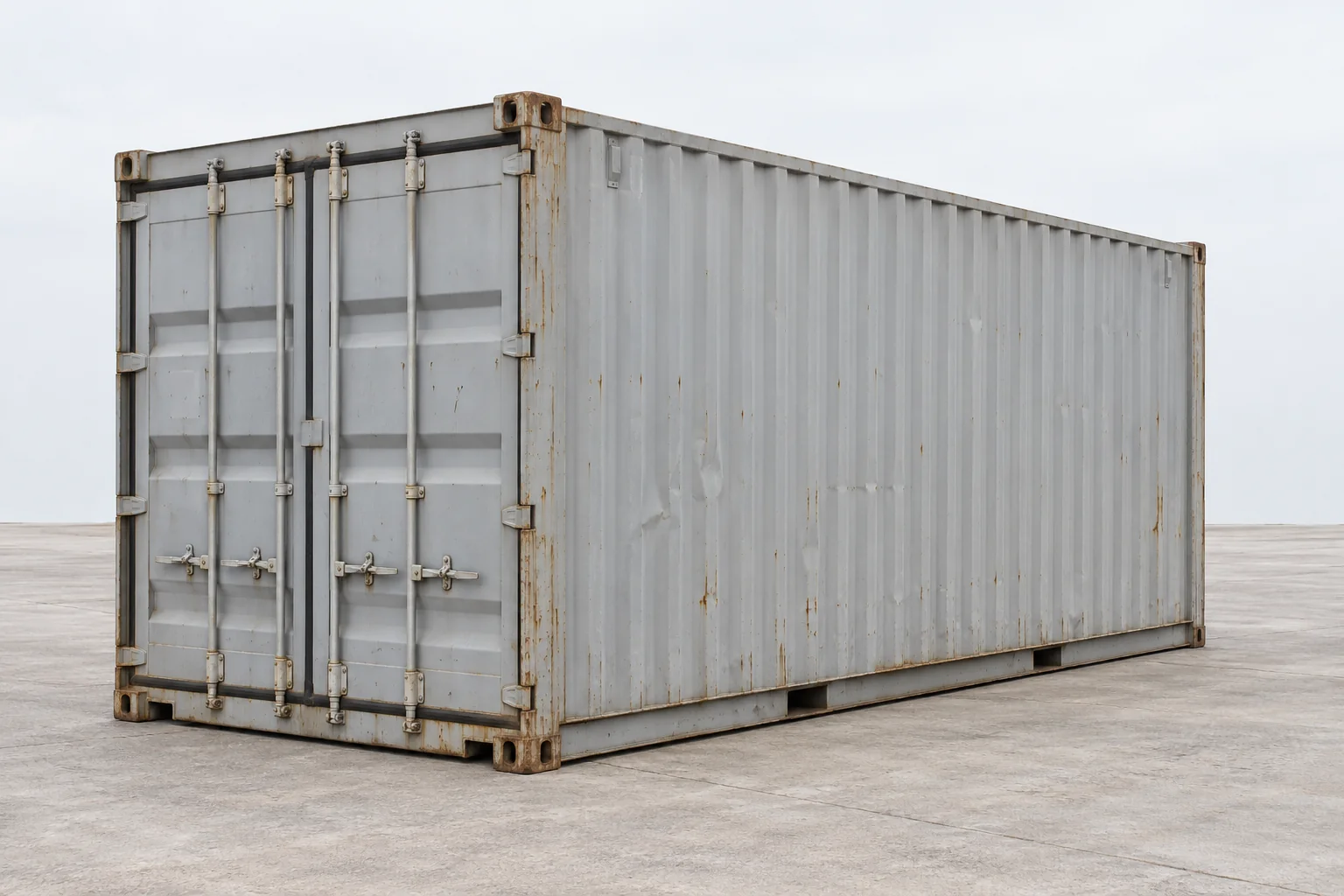
Visible dents or old paint may matter less than working doors, intact seals and a sound floor. For frequent tool access, keep a clear route to the back and place the daily-use items near the entrance.
For seasonal equipment, spare materials or business stock, choose the layout around both item size and retrieval frequency. A WWT container keeps weather out under the seller’s agreed condition; it does not actively control temperature or humidity.
Buy against a defined repair scope before planning a conversion. Floor damage, structural repairs or difficult doors can consume the apparent saving. Assess the available history and proposed alterations before treating the shell as suitable for people to occupy.
Compare a one-trip starting shell →Two advertised Chicago WWT listings observed on October 8, 2026 ranged from $925 to $1,225 USD for standard 20ft dry containers with ordinary end cargo doors.
These two Chicago listings cover standard-height WWT containers before delivery and applicable taxes. Compare a current quote for the same grade, height and delivery address.
A lower unit price helps only when the delivered container meets your needs. Compare the purchase, transport and unloading scope, applicable taxes, identified repairs, desired painting and any required survey. Then compare that total with a one-trip quote for the same destination.
Use two quotes for the same 20ft format and delivery address. Include the work needed to make each unit suit your project.
This compares up-front costs. Condition, repair quality and suitability still matter; future maintenance and resale are outside this calculation.
Start with the actual defects rather than a generic repair allowance. Separate the work needed for your storage use from improvements you would like.
Leaks, holes, damaged floor sections and doors that will not close or latch need an agreed remedy. Significant structural corrosion or distortion needs an inspection and a priced repair decision before you commit to the unit.
A local paint chip or surface corrosion may call for cleaning, preparation and coating. A dented roof that holds water deserves closer inspection. Price the affected area and the preparation method, rather than assuming a full repaint solves every problem.
Faded paint, old lettering or an accepted shallow dent can be compatible with useful storage. A uniform new color is a separate choice. It can be worth paying for on a visible property without being a condition requirement for every tool store.
Compare the used delivered price plus required repairs, chosen finish and options with a one-trip quote for the same destination and use. Include labor, materials and any transport to a workshop. Count seller-included repairs once and retain their written scope.
A sound used unit needing no cosmetic work may retain a clear price advantage. If necessary repairs and the finish you want narrow that gap, one-trip deserves another look. Use quoted work and completion dates; neither a lower price nor fresh paint establishes a number of years of service.
The grade should answer what the unit can be used for. It does not tell you how attractive it looks or establish a universal level of wear.
| Condition | What to compare before buying |
|---|---|
| Wind & watertight (WWT) | A storage condition offered as keeping wind and water out. Check actual roof, seals, floor, repairs and the seller’s written criteria; WWT alone does not establish overseas shipping approval. |
| Cargo-worthy (CW) | A transport-related condition focused on structural suitability. Ask for inspection details, current approval/examination or survey records, carrier acceptance and any extra survey charge. Cosmetic wear can remain. |
| As-Is | May describe damaged condition or sale terms. Get a defect list and priced repair scope; do not assume working doors, a sound floor or weather-tightness. |
For stationary storage, a documented WWT unit may meet your needs without buying a transport survey you will not use. For freight movement, decide with your carrier and the actual container’s paperwork. Fresh paint does not establish either structural condition or shipping suitability.
Evaluate the actual unit. A color, grade label or representative image cannot tell you whether the doors, roof and floor meet your agreed condition.
| Area | Wear to discuss | Issues to resolve before acceptance |
|---|---|---|
| Walls, roof and frame | Faded paint, shallow dents, lettering or surface rust. A sound repaired patch can be compatible with storage. | Holes, leaks, deep corrosion, cracks or distorted structure. Look more closely at roof depressions that hold water and rust streaks around a patch. |
| Cargo doors | Scuffed paint or worn-looking hardware, provided operation and closure meet the agreed condition. | Binding doors, damaged hinges or locking bars, incomplete seals, or a door that will not latch. Replacement parts and alignment are a repair scope, not a repaint. |
| Floor and interior | Dry marks or superficial scuffs whose condition and use are understood. | Broken or soft floor areas, protrusions, damp patches, residues or persistent odors. Identify the cleaning or flooring work before covering the area with shelving or lining. |
Pictures show visible wear; they do not establish the extent of hidden corrosion or a damaged floor. Use an inspection for doubtful structure or flooring and obtain a repair description tied to the affected area. Repainting can improve appearance and protect prepared steel, but it does not replace patching a hole, replacing a seal or repairing damaged timber.
The receiving checklist below keeps dispatch and delivery evidence together. Use it to distinguish accepted used wear from an unresolved defect or damage that occurred in transit.
A representative standard 20ft dry container has about 149 sq ft of bare interior floor and 1,172 cu ft (33.2 m³) of empty volume. An aisle, shelving, entry space and any lining reduce the space available for goods. Daily access usually needs a different arrangement from dense storage unloaded only occasionally.
Used condition does not change the nominal size, but repairs and previous modifications can change the clear space you receive. Measure the actual interior for your final layout; the 20ft comparison page provides the complete dimension reference.
For a working tool store, a clear route can be more valuable than filling every part of the floor. This example uses an interior of 5,900 × 2,352 mm.
Scroll sideways to see the full layout.
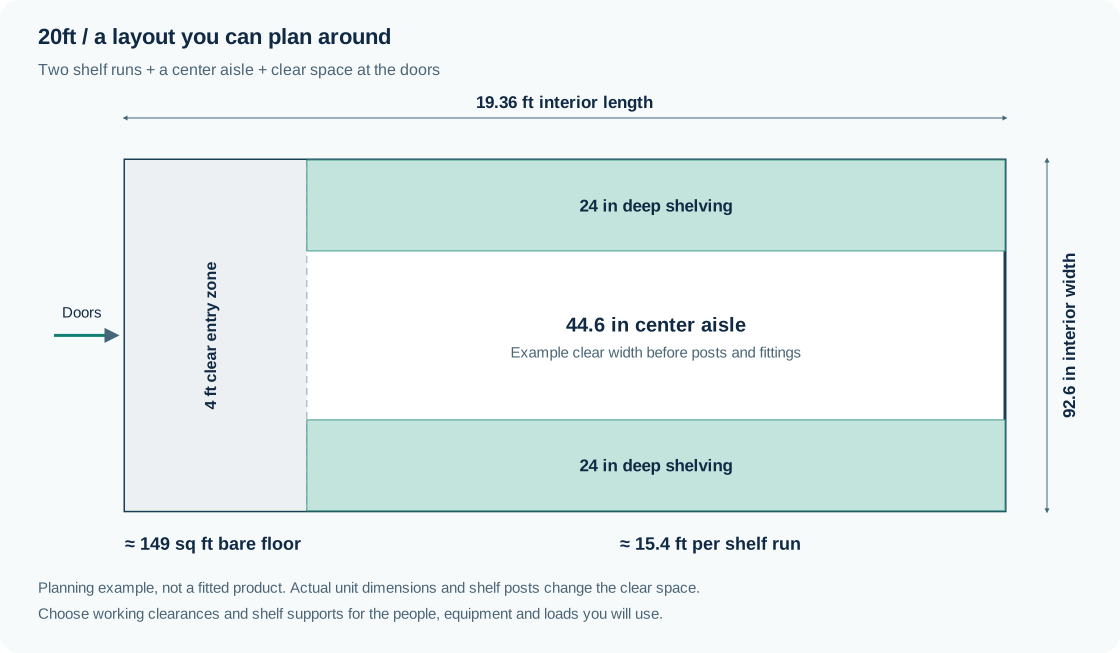
For seasonal storage, grouped stacks can use more floor space, but the rear group may be inaccessible until the front is removed. Group by retrieval date and label the outward-facing sides rather than losing time opening every box.
These are chosen planning layouts, not clearance standards or fitted shelving included in the sale. Account for the actual shelf frames and load ratings, repaired floor areas, door movement and the space you need to carry items.
An accessory should solve the next practical problem, not conceal a defect. Start with sound flooring, weather protection and working doors.
A lockbox shields a padlock from direct access. Match the lock to the fitted box and include the keys in the order. Check the door hardware first: a new lockbox cannot correct a door that does not latch.
Choose depths and bay sizes from your cases and cartons, and specify rated loads and installation. Keep daily-use stock near the entrance and heavier items lower down. Resolve any damaged floor or proposed fixing area before installing the racks.
For regular visits, door effort matters. A working-door video is more useful than a freshly painted door photo. Compare any easy-opening hardware or an added personnel door after defects in the existing hinges, bars, seals or alignment are resolved.
For files, textiles or boxed stock, a WWT label is only part of the storage plan. Larger vents or a designed fan system address air exchange; insulation and powered control may be needed where temperature or humidity must stay within a specified range.
A weather-tight shell can still develop condensation when moisture inside meets colder steel. Bring in dry goods and packaging, keep wet garden or jobsite equipment separate from moisture-sensitive contents, and leave the planned air route open.
The small vents on a standard dry container mainly equalize pressure. Passive ventilation follows outside conditions and does not set a humidity or temperature level. Specify moisture-control work separately from repairs that stop rain entering through the roof or seals.
Ask whether the sale identifies a particular unit or uses the next suitable container from a stack. If color or appearance matters, confirm selection options and any extra charge before placing the order.
Provide your delivery ZIP and site photos. Confirm the unloading method, responsibility for lifting equipment, access and overhead clearance, firm placement area and door orientation with the transporter. Keep the agreed condition report available when receiving the unit.
Write down whether the transport price includes unloading and final placement. Tilt-bed delivery and flatbed delivery have different working-space and equipment needs. Leave usable ground outside the cargo doors for their swing and for carrying stock in and out after the truck has left.
Build one evidence set for the unit and one for its condition. That makes a disagreement about used wear easier to resolve.
If a door binds only after placement, have the support and level checked alongside the door alignment. Uneven ground can put the box out of square. A failed seal or damaged hinge calls for a different remedy, so describe the symptom and location rather than accepting all door trouble as ordinary used wear.
Compare the finish, buying budget and checks that matter to your project.
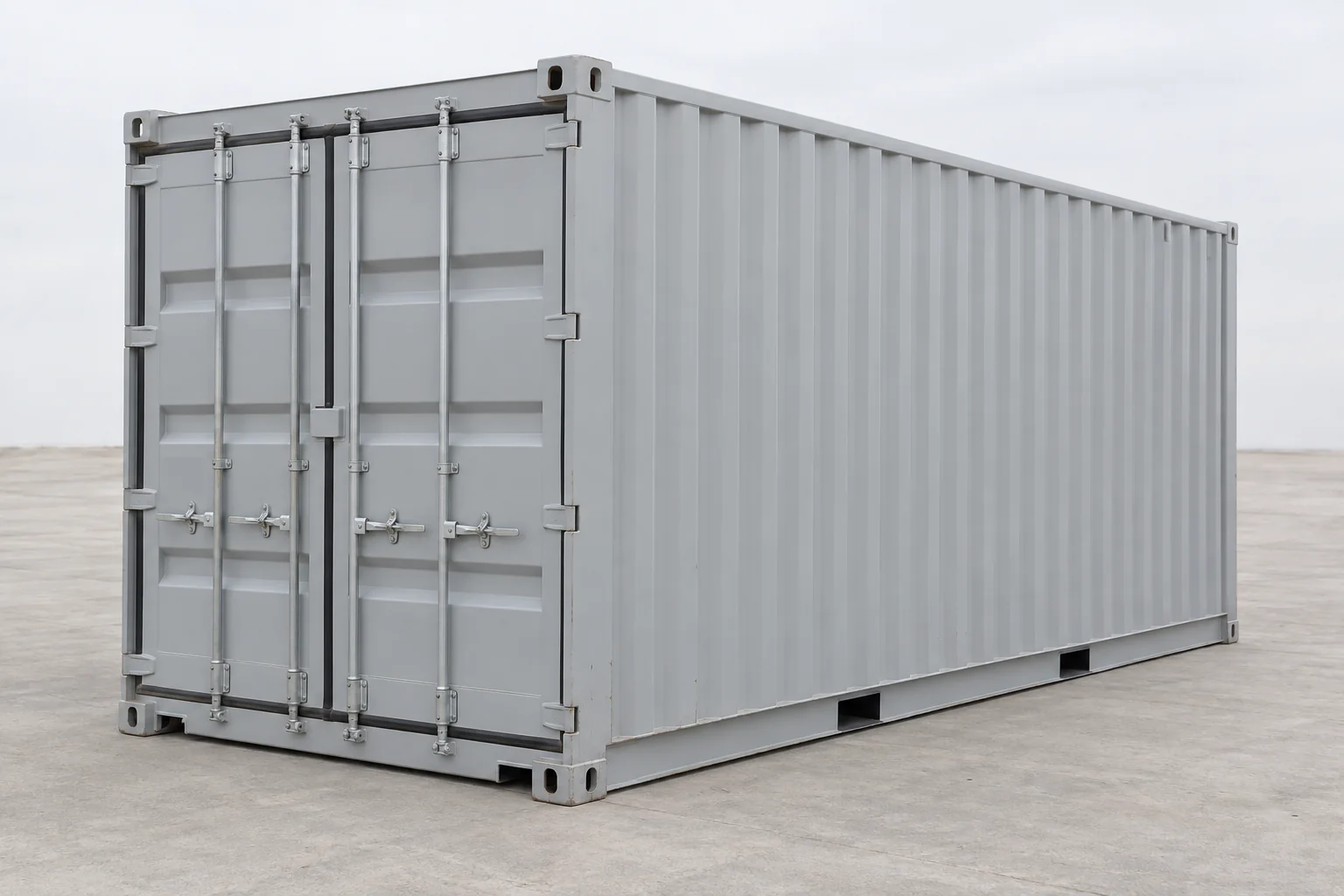
A cleaner finish, with less visible wear. Check the included features and any handling marks.
Explore 20ft new / one-trip →Compare storage and cargo-worthy options. Check the actual floor, doors, repairs and weather sealing.
You are viewing this optionUsed describes previous service. The grade and the evidence behind it determine what you can buy it for.
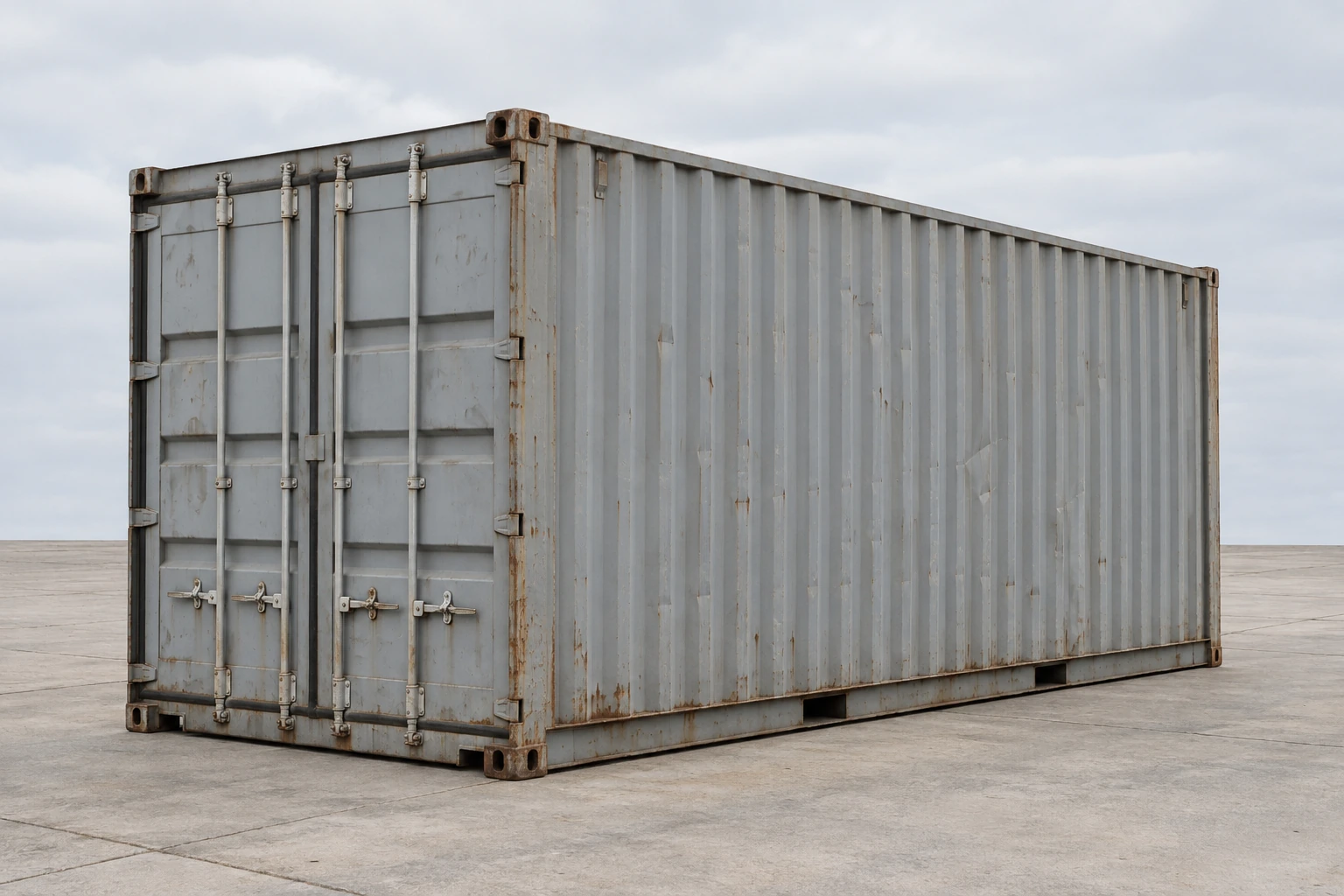
For storage: compare weather sealing, floor condition and working doors. A WWT label does not establish approval for ocean shipping.
Explore wind & watertight →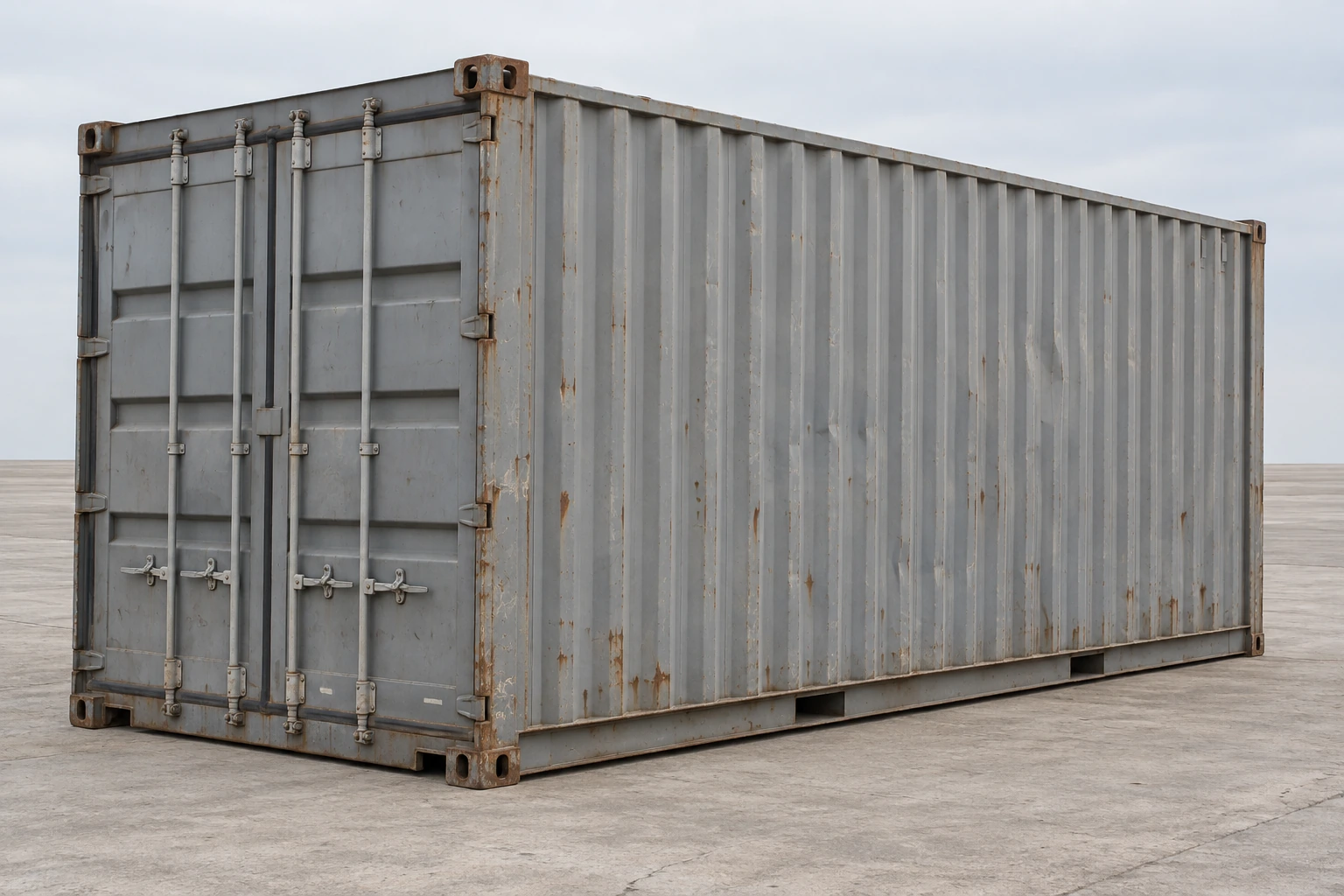
For a transport project: compare the actual inspection, CSC examination records and acceptance by your intended carrier.
Explore cargo-worthy →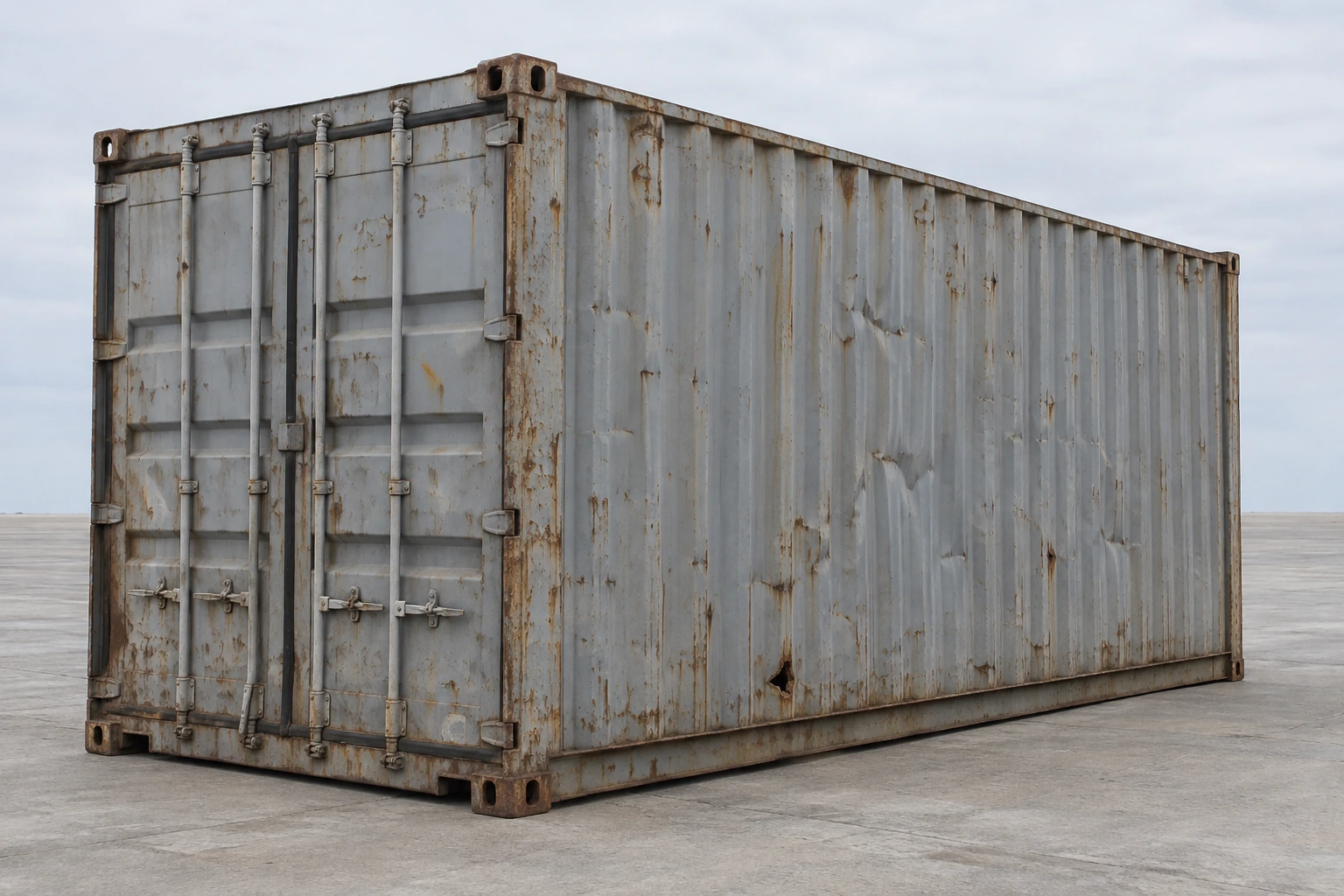
For a repair project: identify the defects and price the work before comparing the complete cost with a usable container.
Explore as-is →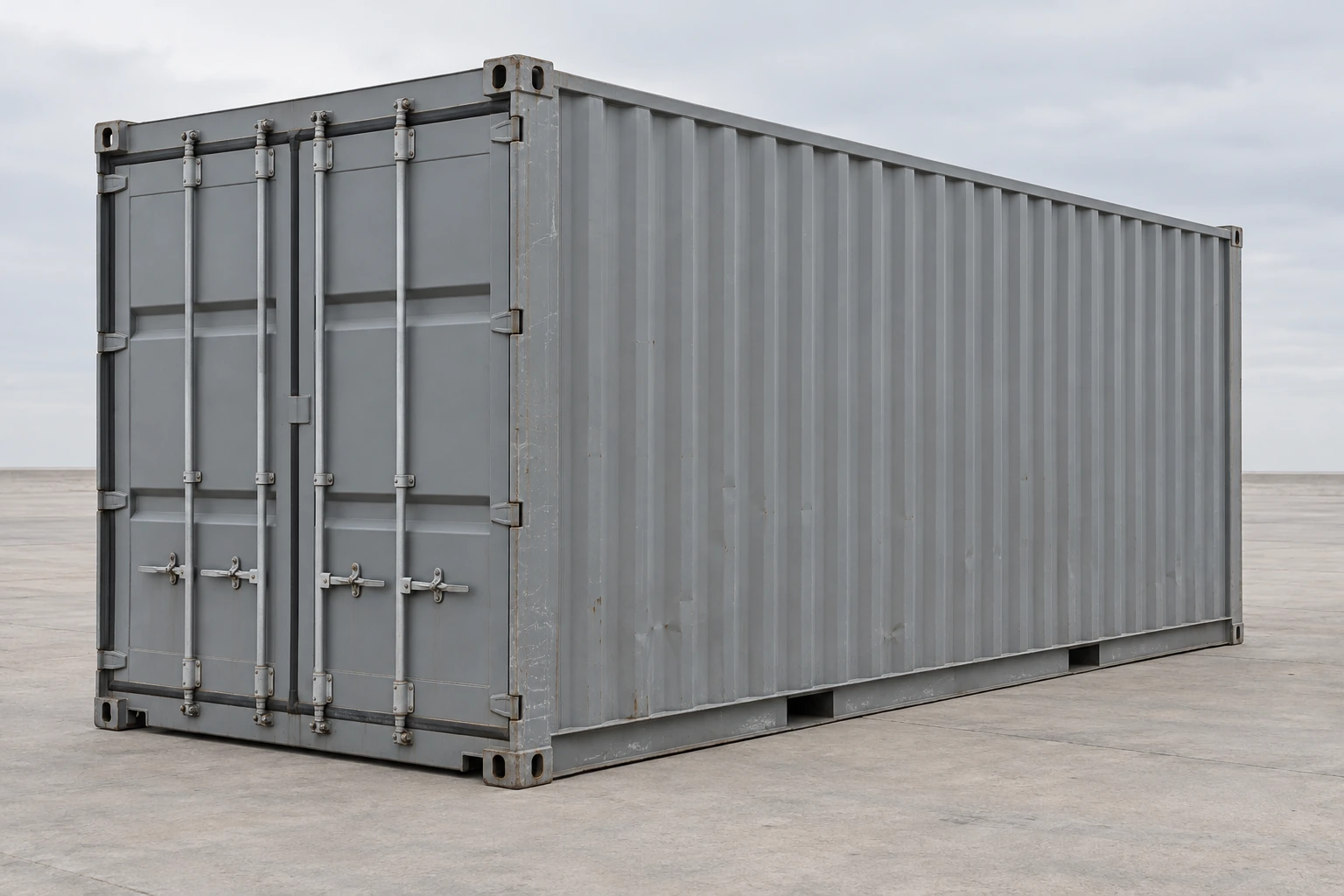
Compare an offer described as lightly used with one-trip. Confirm the actual history and finish; the label is defined by the seller.
Explore multi-trip / limited use →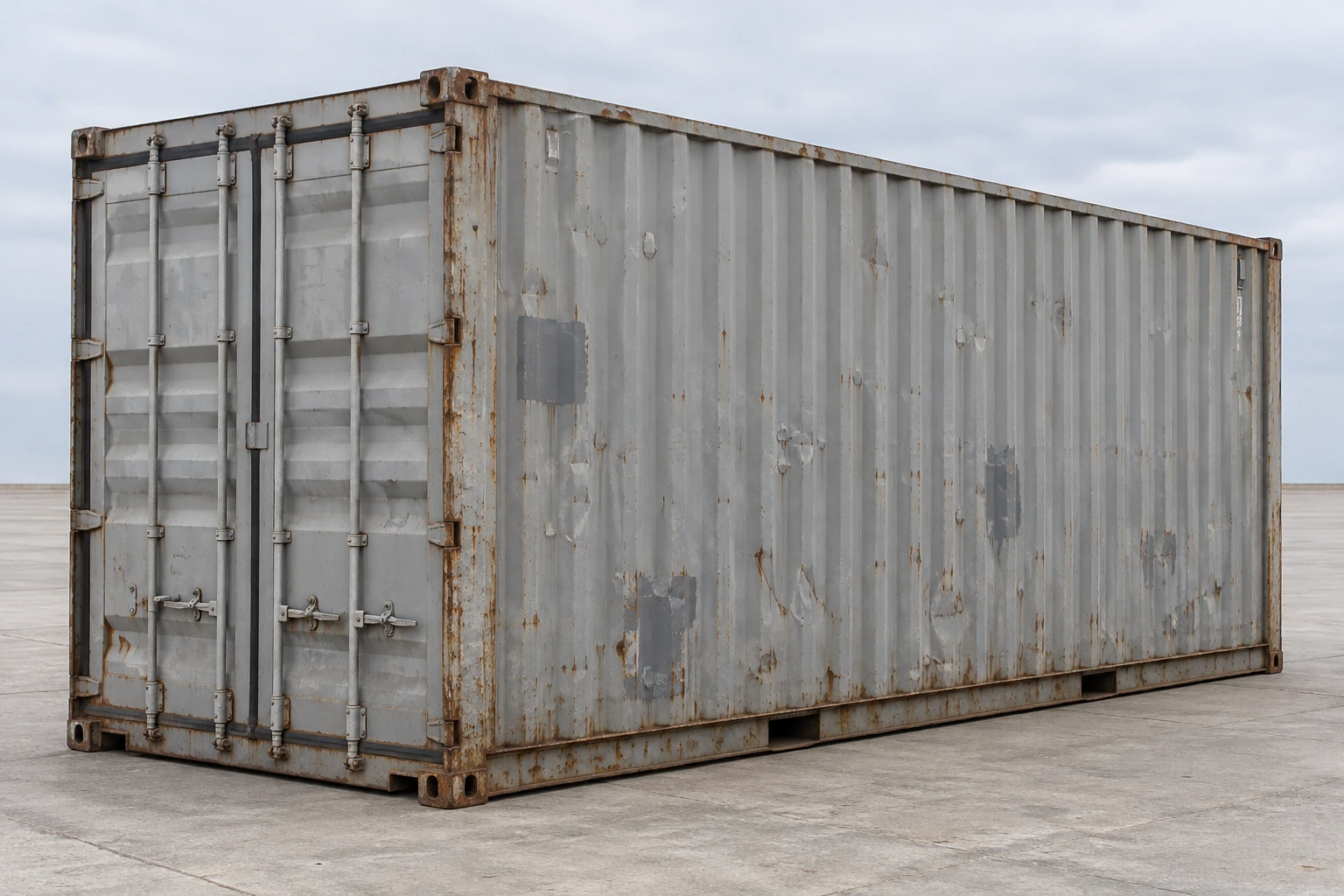
Compare budget storage offers by the defects accepted and the protection included. Economy does not automatically mean WWT or as-is.
Explore economy grade →Compare the floor surface, wall wear and visible repairs, then request close-up photos of the actual unit.
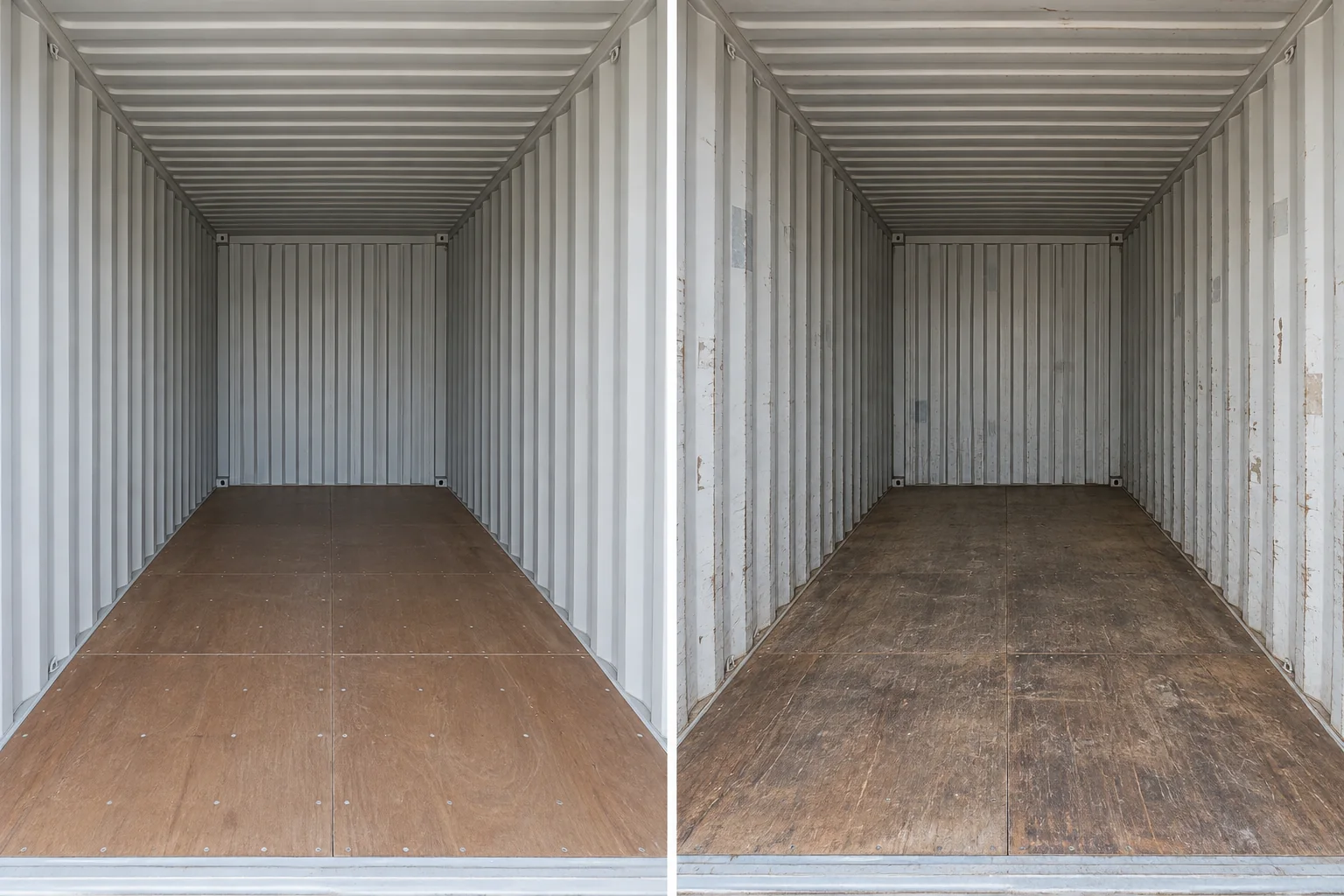
Illustrative appearances. Paint and rust alone do not establish weather-tightness or suitability for shipping.
Used does not establish a manufacture year, years in service or cargo history. Request the manufacture date on the unit’s plate and any available records. Judge present condition separately; there is no age or remaining-lifespan promise implied by this page.
Include the condition, unloading and any work your container needs.