
Appearance is a low priority
A rough exterior may be acceptable for a utility storage spot. Ask for close-up views of corrosion and repairs so a cosmetic allowance does not silently include a larger problem.
Compare offers from multiple suppliers. Find the right price for your project.
20FT / ECONOMY GRADE
A 20ft economy grade shipping container may suit a storage project where worn paint, dents and previous repairs are acceptable. Before choosing it for the lower quoted price, define the condition you need and read the exact commitments. Economy grade does not by itself establish WWT condition, shipping suitability or a particular warranty.
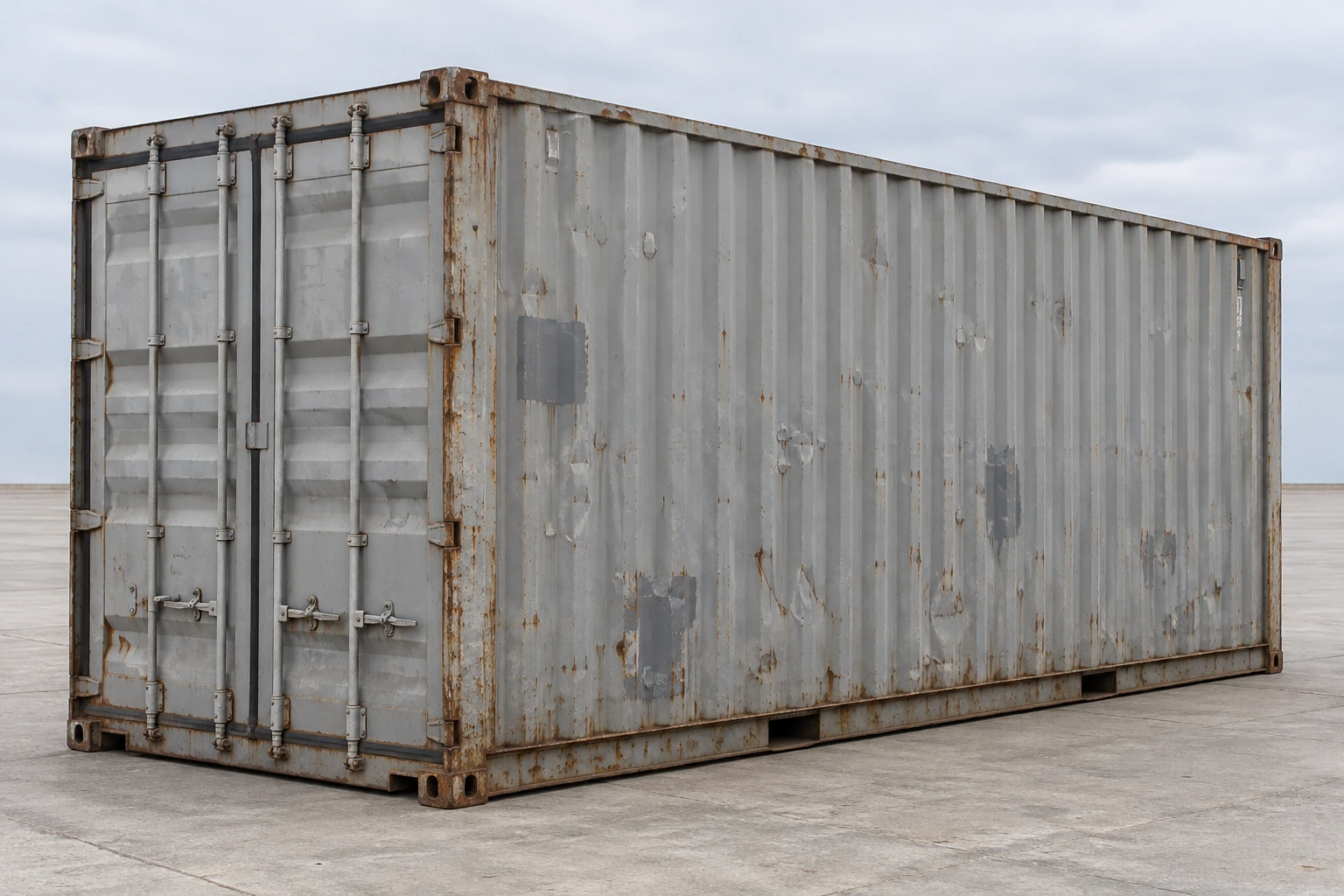
Write down the cosmetic wear you can accept and the functional defects you cannot. Those are separate buying decisions.
A rough exterior may be acceptable for a utility storage spot. Ask for close-up views of corrosion and repairs so a cosmetic allowance does not silently include a larger problem.
Economy deserves a comparison when defects are identified and the required work is quoted. An unspecified repair allowance cannot establish the final saving.
If water entry would spoil your stock, set an explicit sealing requirement. Compare a WWT offer rather than relying on the economy label.
Compare WWT condition →| Area | Evidence to request |
|---|---|
| Roof and walls | Current photos of corrosion, holes and patches; findings on water entry. |
| Doors | Evidence of opening, closing and locking; seal condition and needed work. |
| Floor and interior | Damage, damp areas, residues and cleaning or repair scope. |
| Frame and repairs | Identified structural concerns and documentation of repair areas. |
Attach the findings to the unit offered or specify the selection process and minimum condition. Separate work completed before delivery from work you will have to arrange. Do not infer structural suitability from a fresh coat of paint.
A commitment about the unit's condition when delivered answers one question. A warranty describing a remedy for a later problem answers another. Record both, with exclusions and the process for reporting a defect.
If coverage is limited to roof leaks, check what the offer says about walls, door seals, floor and structure. Do not read roof-only wording as a promise that the whole container is watertight. Any duration or remedy must come from the written offer.
| Offer | Question that decides the comparison |
|---|---|
| Economy grade | Which defects are acceptable, which repairs are included and what condition is promised? |
| Wind & watertight | What weather-sealing criteria and evidence are attached to this unit? |
| As-Is | Which defects and repair responsibilities will you take on under the offer? |
Do not treat these labels as synonyms or a fixed price ladder. Compare written requirements for the same storage job. If cargo transport is the purpose, assess the required condition and documents separately.
Compare an economy offer and a WWT alternative ready for the same job at the same address.
If known work removes the price difference, compare the better documented ready-to-use offer. If significant defects remain unpriced, keep the total unresolved until you can compare it fairly.
Compare the finish, buying budget and checks that matter to your project.
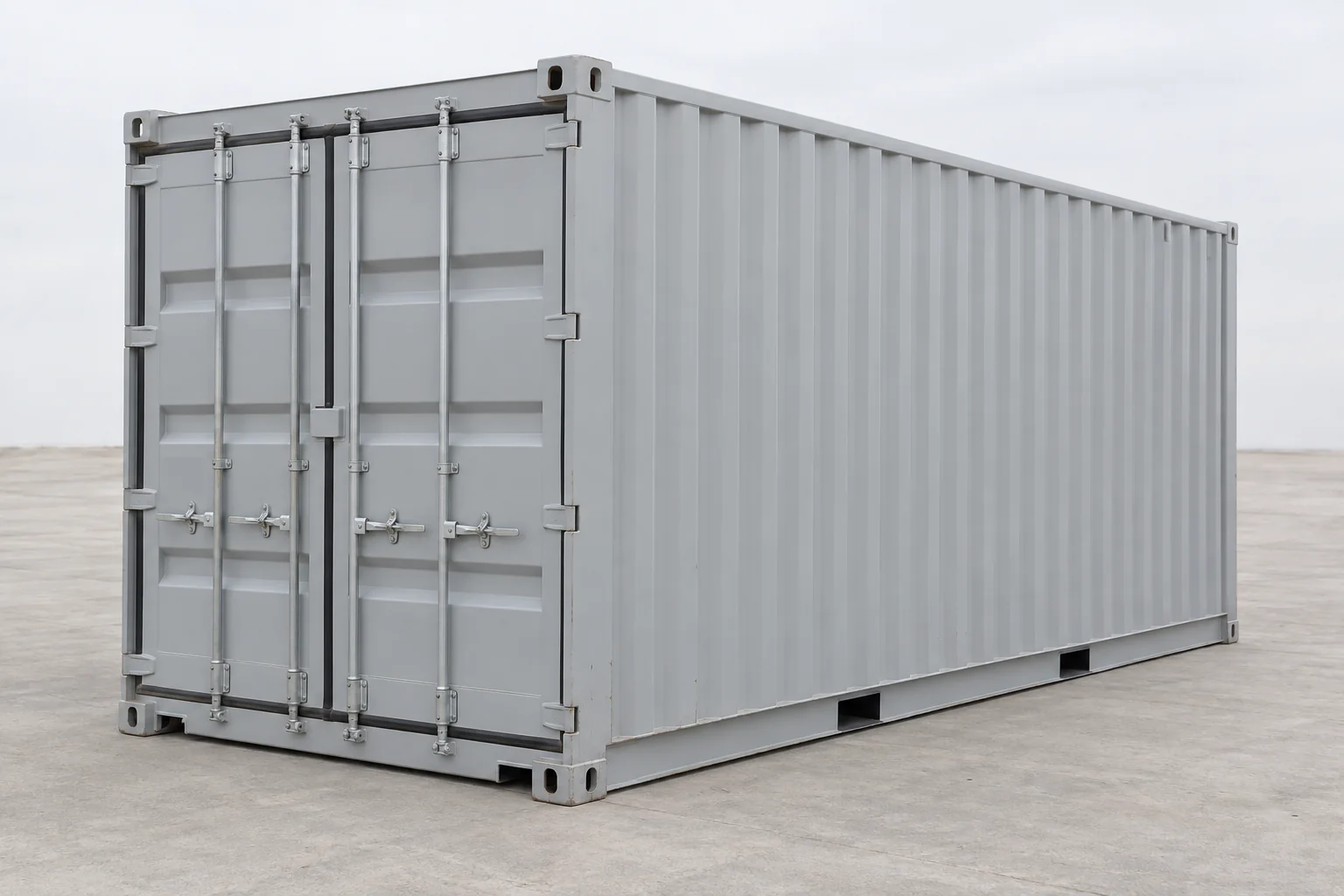
A cleaner finish, with less visible wear. Check the included features and any handling marks.
Explore 20ft new / one-trip →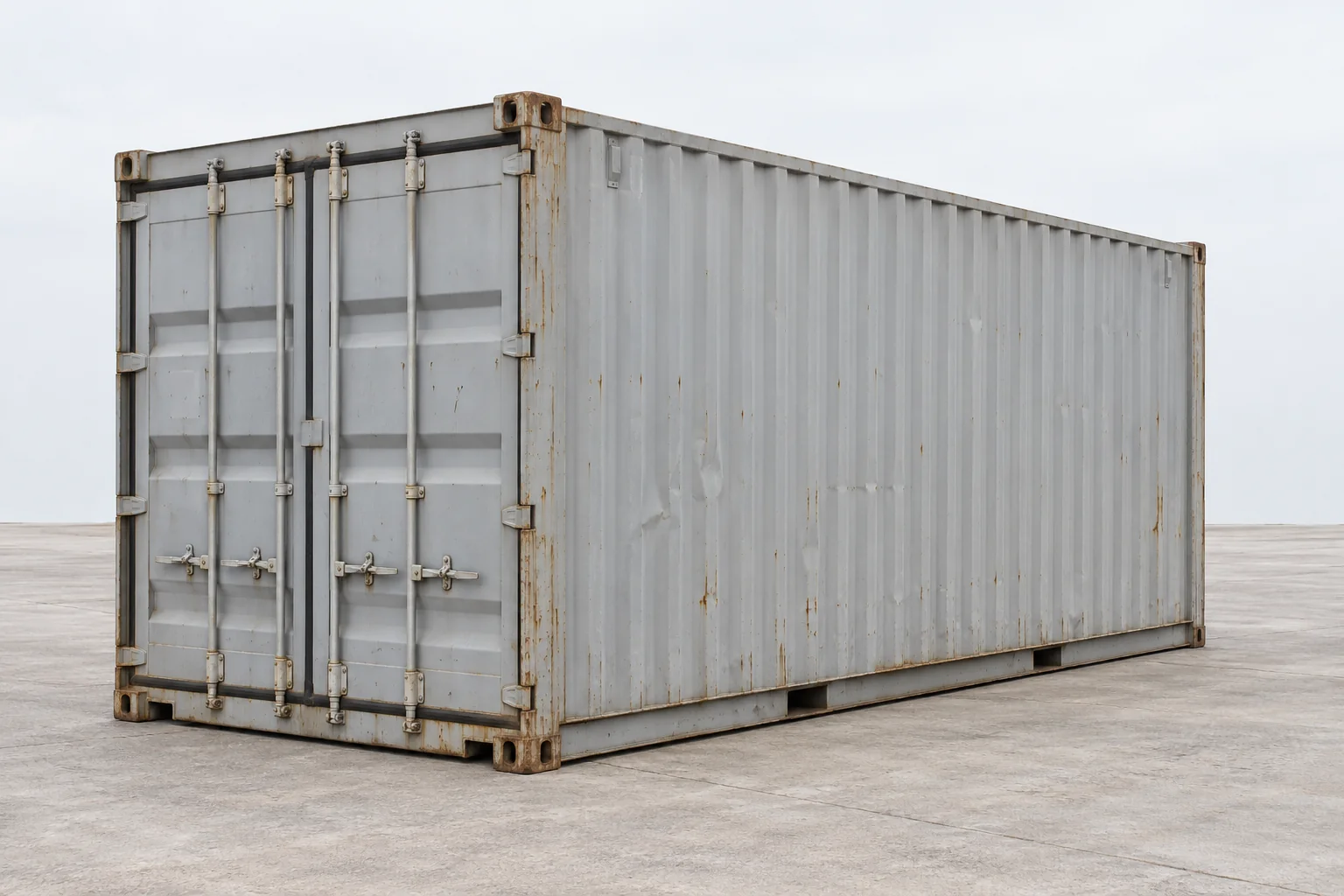
Compare storage and cargo-worthy options. Check the actual floor, doors, repairs and weather sealing.
Explore 20ft used →Used describes previous service. The grade and the evidence behind it determine what you can buy it for.
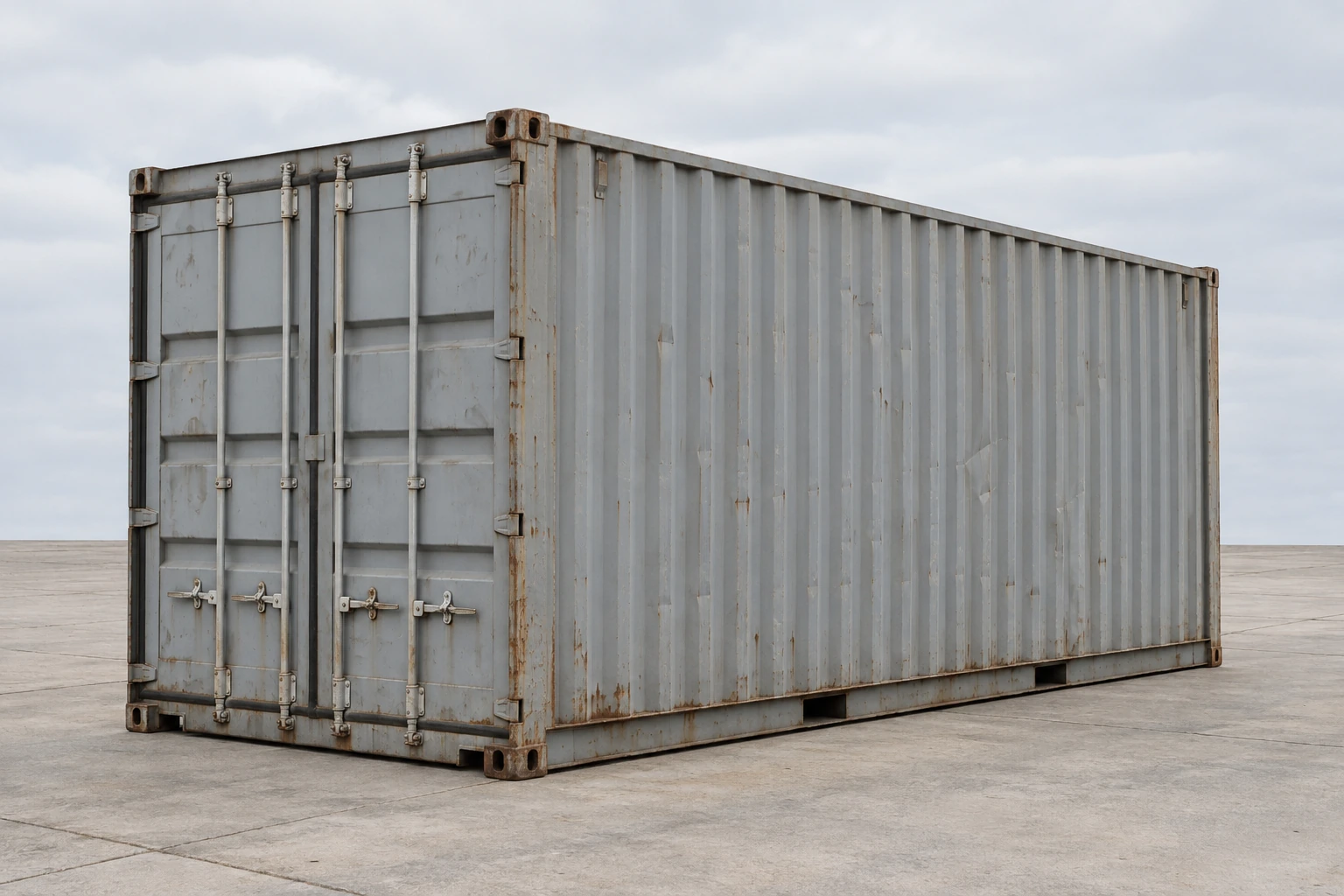
For storage: compare weather sealing, floor condition and working doors. A WWT label does not establish approval for ocean shipping.
Explore wind & watertight →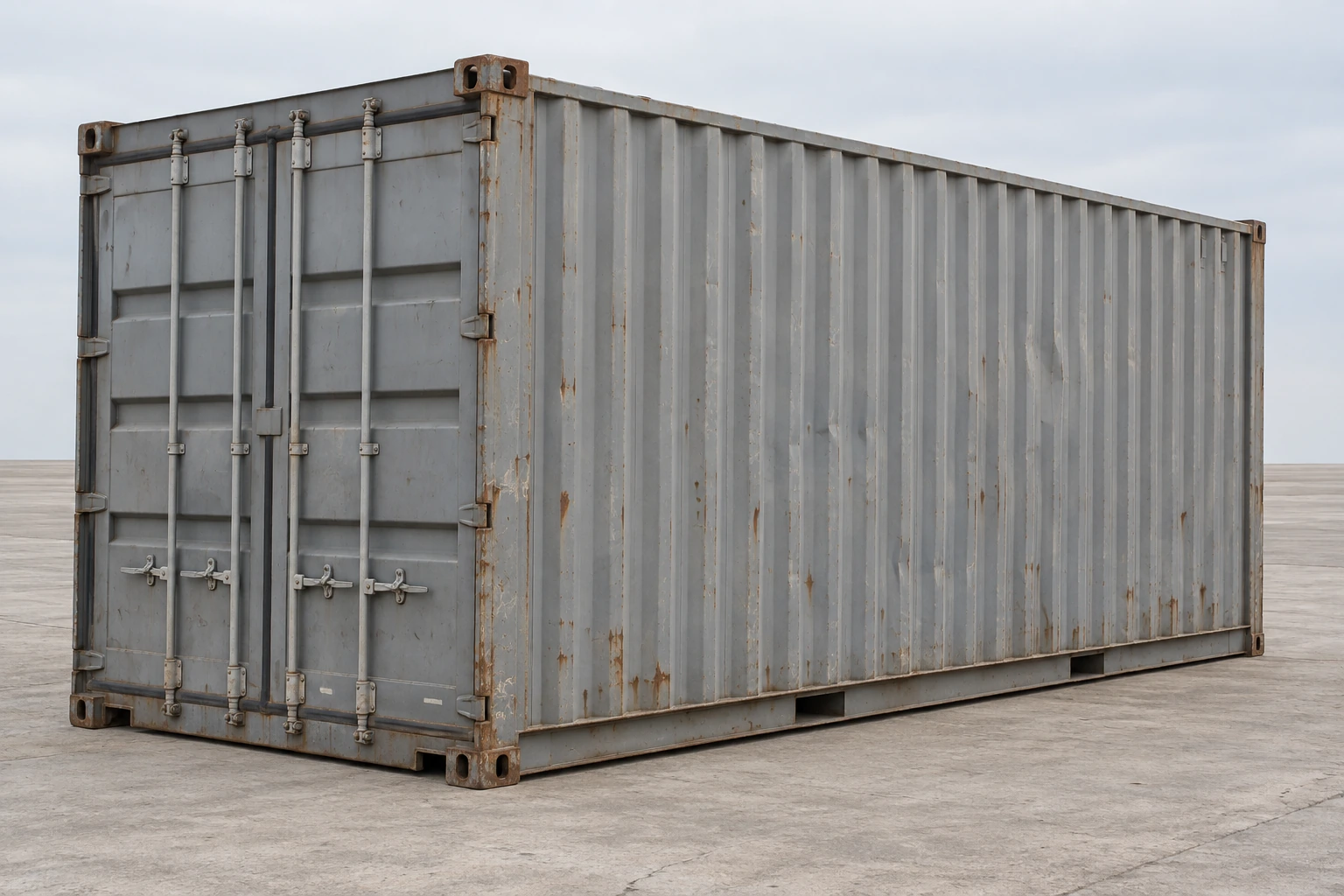
For a transport project: compare the actual inspection, CSC examination records and acceptance by your intended carrier.
Explore cargo-worthy →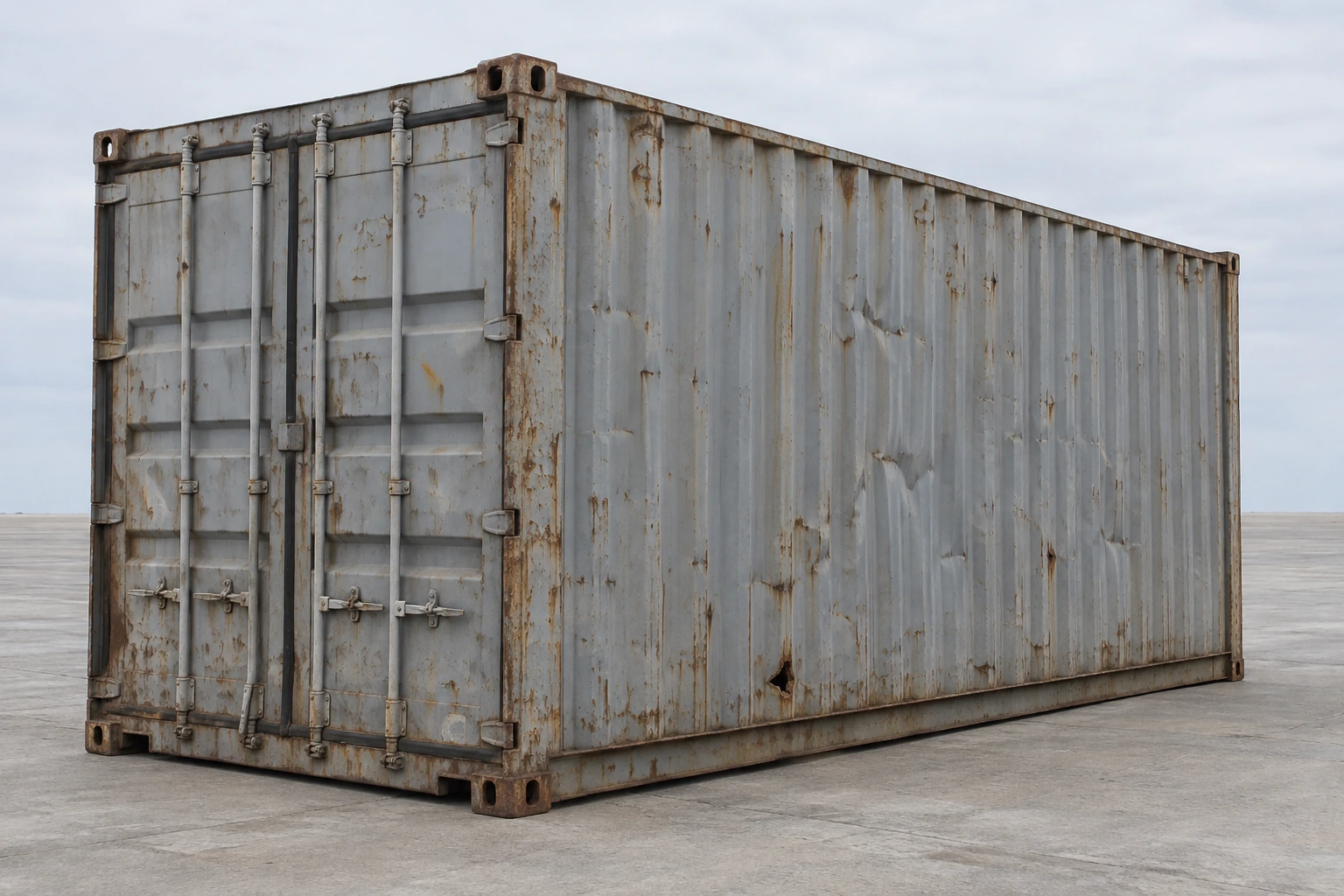
For a repair project: identify the defects and price the work before comparing the complete cost with a usable container.
Explore as-is →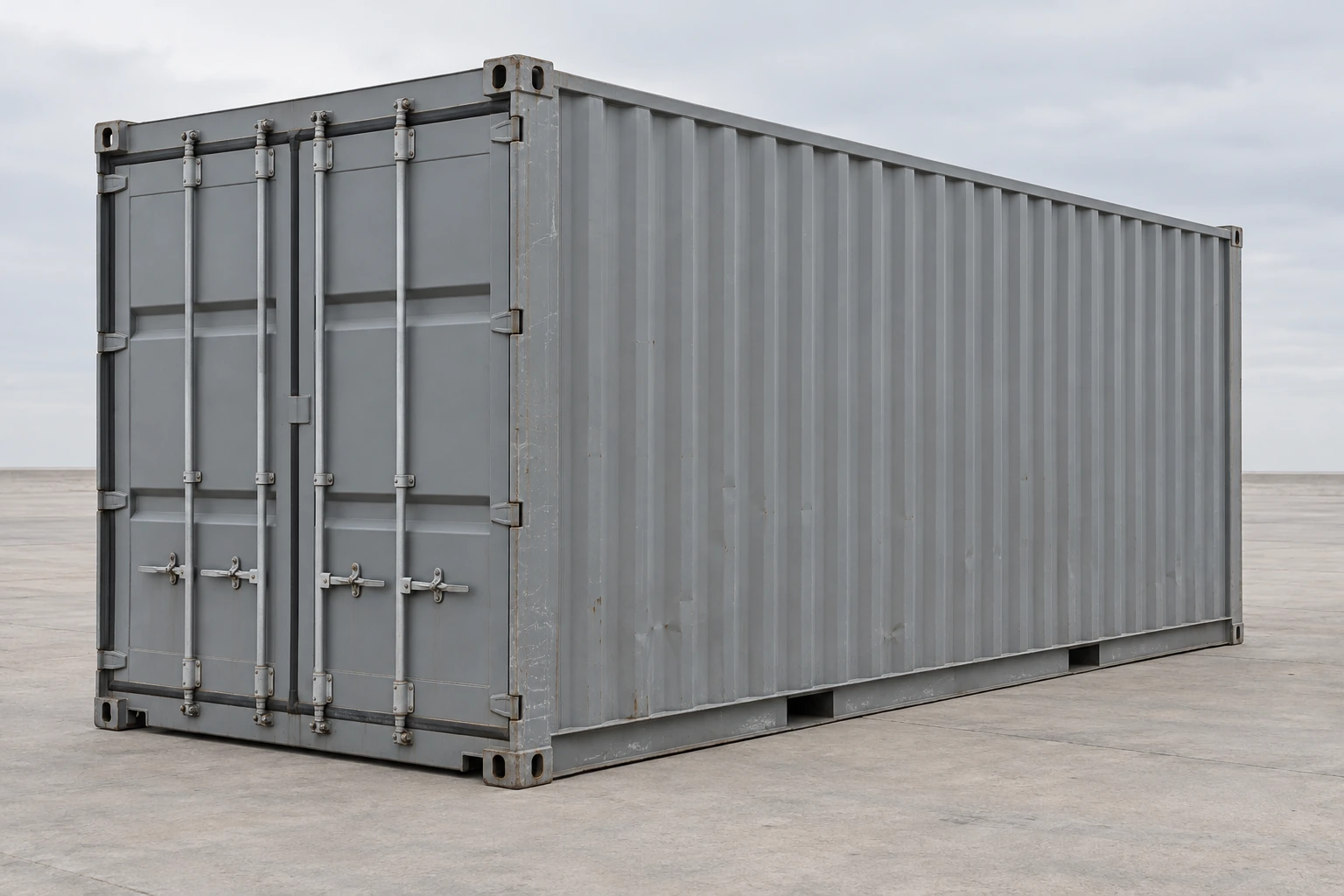
Compare an offer described as lightly used with one-trip. Confirm the actual history and finish; the label is defined by the seller.
Explore multi-trip / limited use →Compare budget storage offers by the defects accepted and the protection included. Economy does not automatically mean WWT or as-is.
You are viewing this gradeCompare the floor surface, wall wear and visible repairs, then request close-up photos of the actual unit.
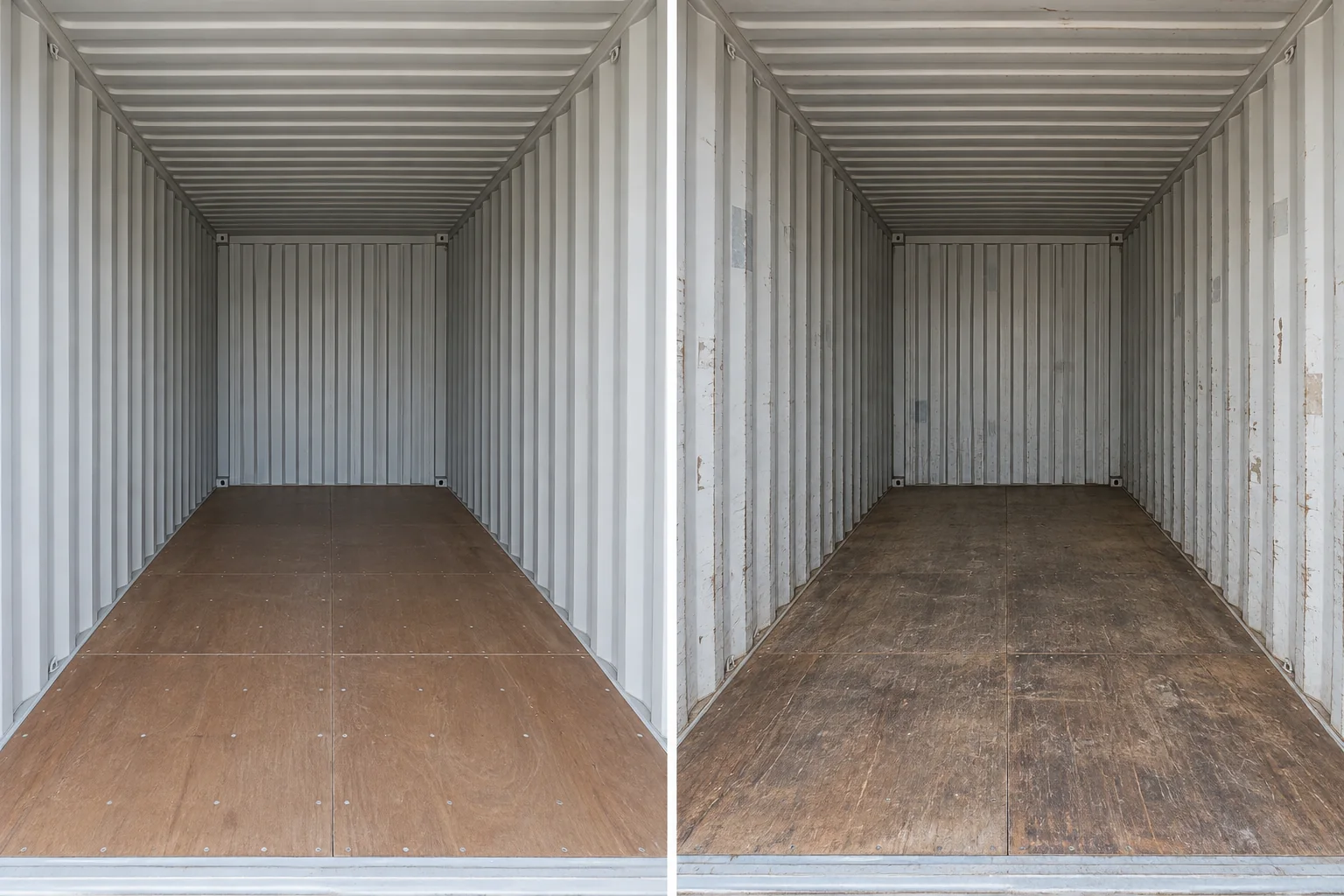
Illustrative appearances. Paint and rust alone do not establish weather-tightness or suitability for shipping.
Do not assume equivalence. Read the exact economy offer's sealing criteria, defects and commitments. If your storage needs WWT condition, request that requirement explicitly and compare a WWT alternative.
The label does not define warranty coverage. Use the written terms of the offer and check the covered areas, duration, exclusions and remedy. Roof-only coverage does not describe the entire container.
When its documented condition suits your use and the complete cost stays attractive after necessary work and delivery. Cosmetic wear can be acceptable; unpriced defects prevent a reliable comparison.
Include the condition, unloading and any work your container needs.