
A finish you will keep
If the container will sit in a visible location, compare current exterior photos and acceptable paint marks. A better finish matters less if you already plan a full repaint.
Compare one-trip condition →Compare offers from multiple suppliers. Find the right price for your project.
20FT / MULTI-TRIP
Considering a 20ft multi-trip shipping container? Treat multi-trip as a description of prior use and confirm exactly what the seller means. Compare the offered unit's finish, floor and repairs with one-trip and used alternatives, then decide whether its complete delivered price pays for a benefit you need.
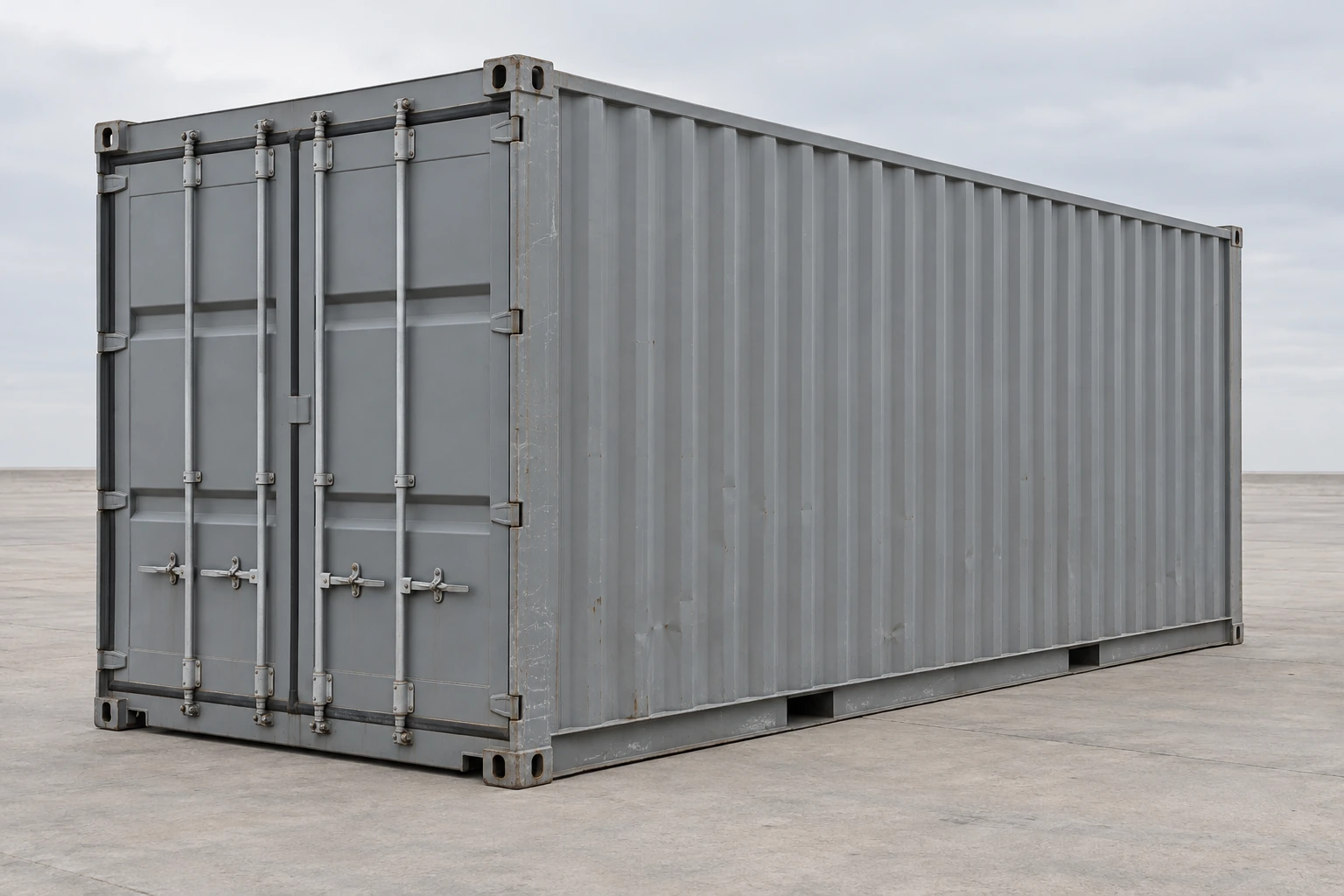
Compare what each actual offer gives you. A trip label cannot tell you how much preparation your project needs.
If the container will sit in a visible location, compare current exterior photos and acceptable paint marks. A better finish matters less if you already plan a full repaint.
Compare one-trip condition →Ask which cleaning, floor work and repairs the multi-trip offer avoids. Price the same work on the used alternative before paying extra.
Compare used options →If appearance has little value for your job, compare a WWT offer with the sealing and repair commitments you need. A higher purchase price needs a practical benefit.
Compare WWT storage →Have the quote define multi-trip: the prior-use claim, the evidence supporting it and the acceptable condition at delivery. If a journey count is supplied, ask whether it is documented or estimated. Do not turn one seller's definition into a fixed trip count for every offer.
Request the unit number and manufacture date with current photos. The manufacture date identifies when it was built; it does not establish how many journeys it made. Record known repairs and how the seller will select or allocate your container.
For cargo transport, the multi-trip label does not establish current safety examination status or acceptance for your planned movement. Confirm the unit's documents and the intended carrier's requirements separately.
Put a multi-trip, one-trip and used offer on the same basis: standard height, the same delivery address and the same required finish.
| Cost to record | What to include |
|---|---|
| Container | Quoted unit price and the condition or selection method attached to it. |
| Ready for your use | Cleaning, required repairs, painting and chosen fittings. Count included work once. |
| Delivery and placement | Transport, unloading, final position and any customer-supplied equipment. |
| Remaining charges | Applicable taxes, inspection charges and other identified fees or exclusions. |
The difference between these totals is the amount you are paying for the better starting condition. Decide against the work and finish you actually need; journey count alone is not a savings calculation.
Compare the finish, buying budget and checks that matter to your project.
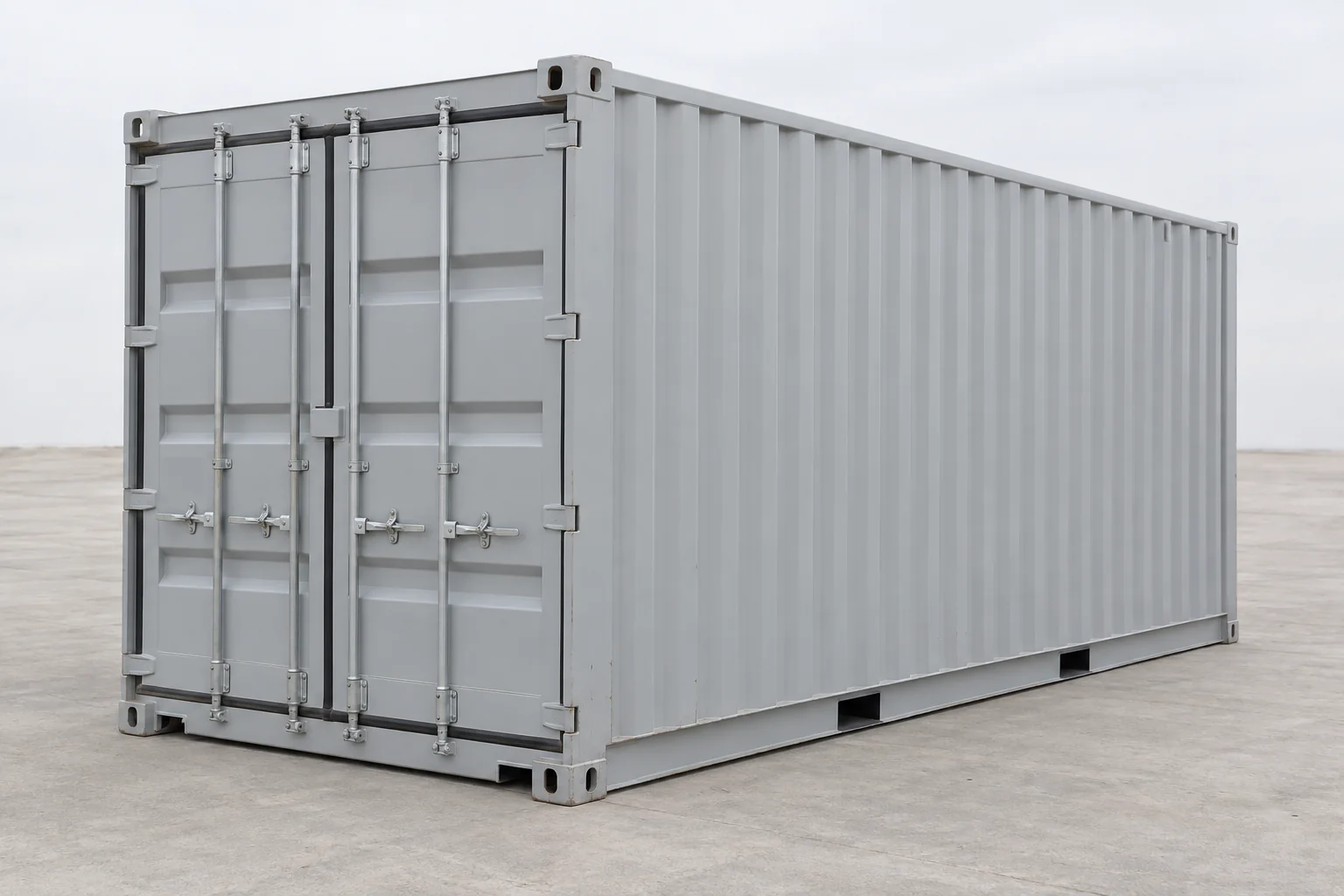
A cleaner finish, with less visible wear. Check the included features and any handling marks.
Explore 20ft new / one-trip →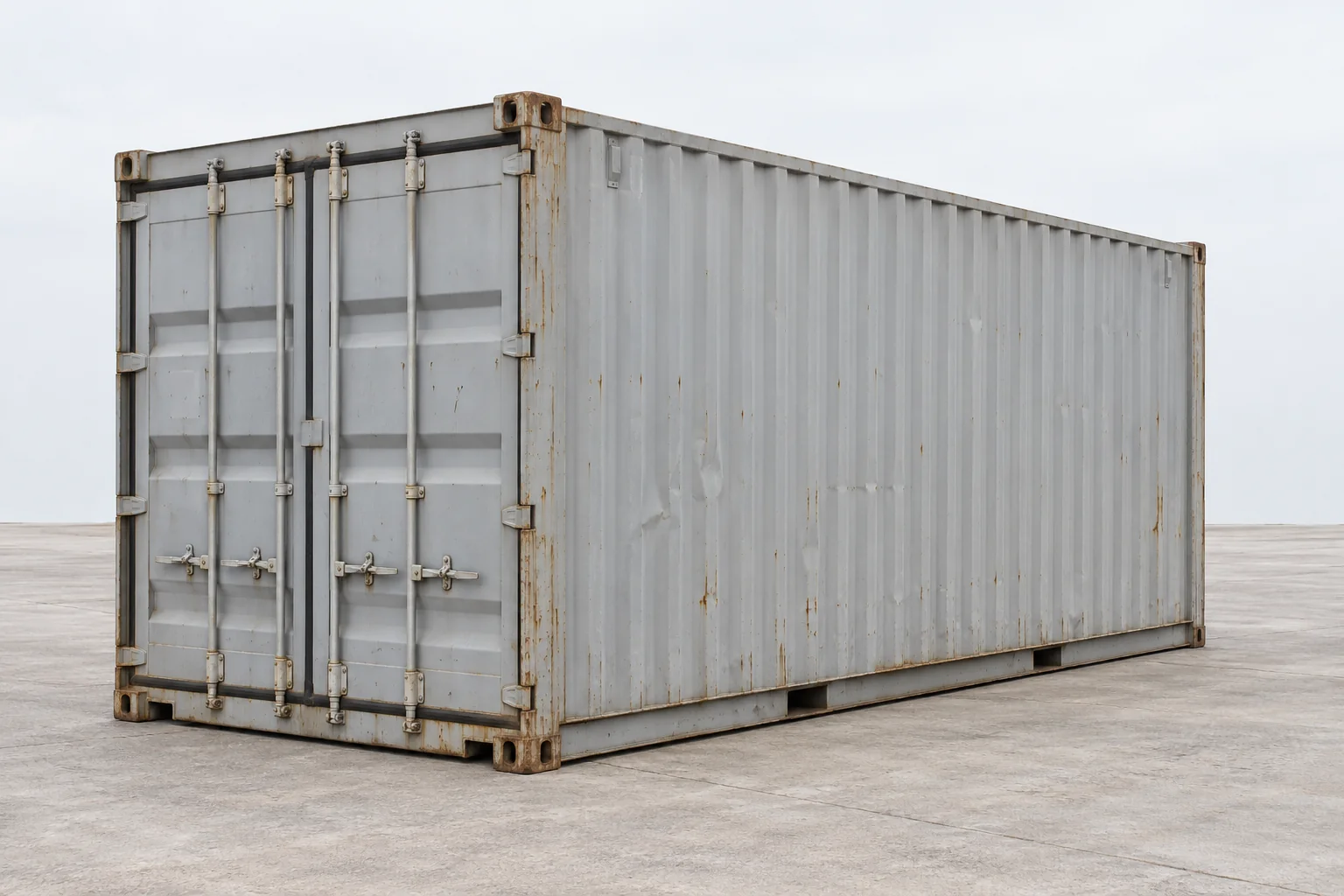
Compare storage and cargo-worthy options. Check the actual floor, doors, repairs and weather sealing.
Explore 20ft used →Used describes previous service. The grade and the evidence behind it determine what you can buy it for.
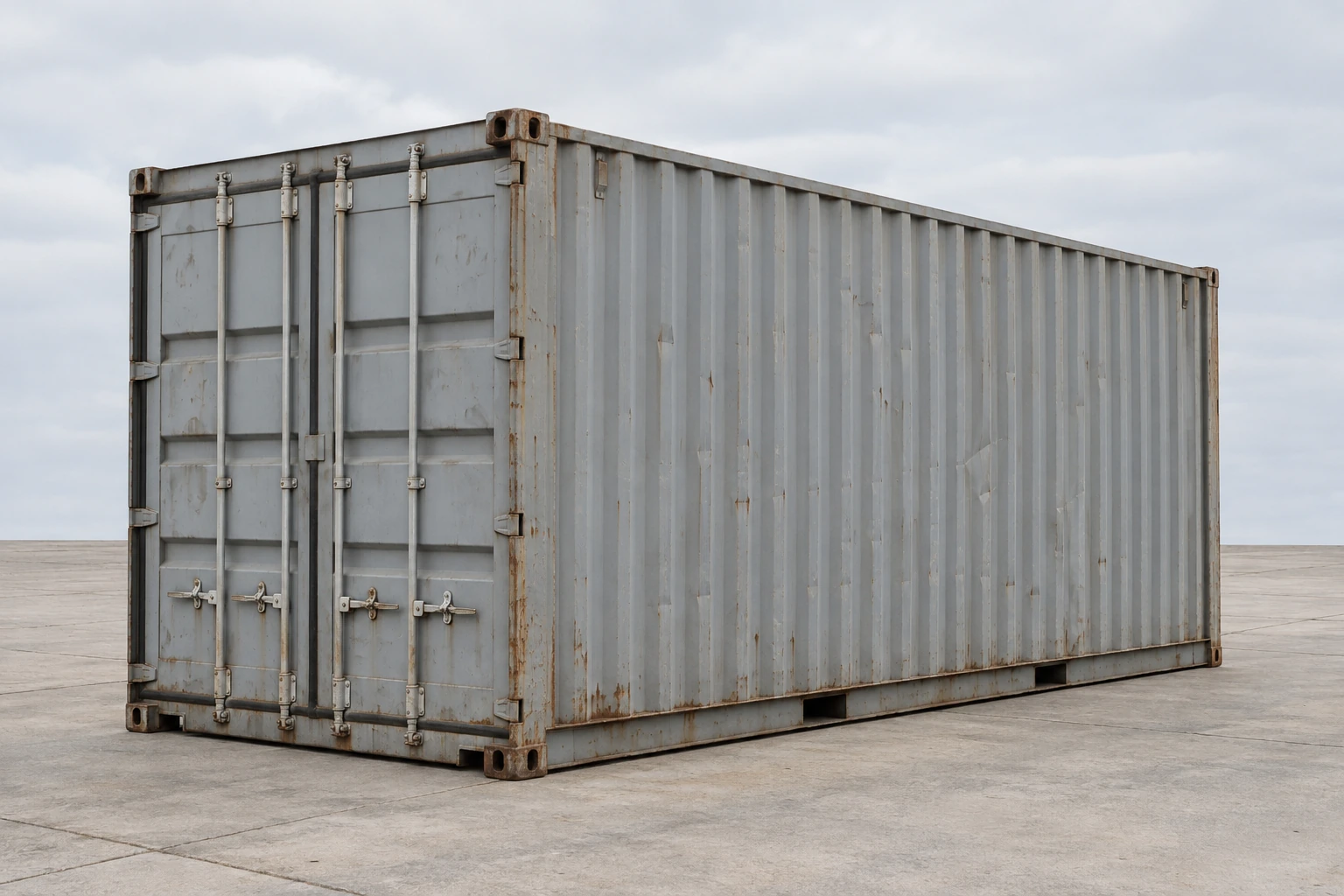
For storage: compare weather sealing, floor condition and working doors. A WWT label does not establish approval for ocean shipping.
Explore wind & watertight →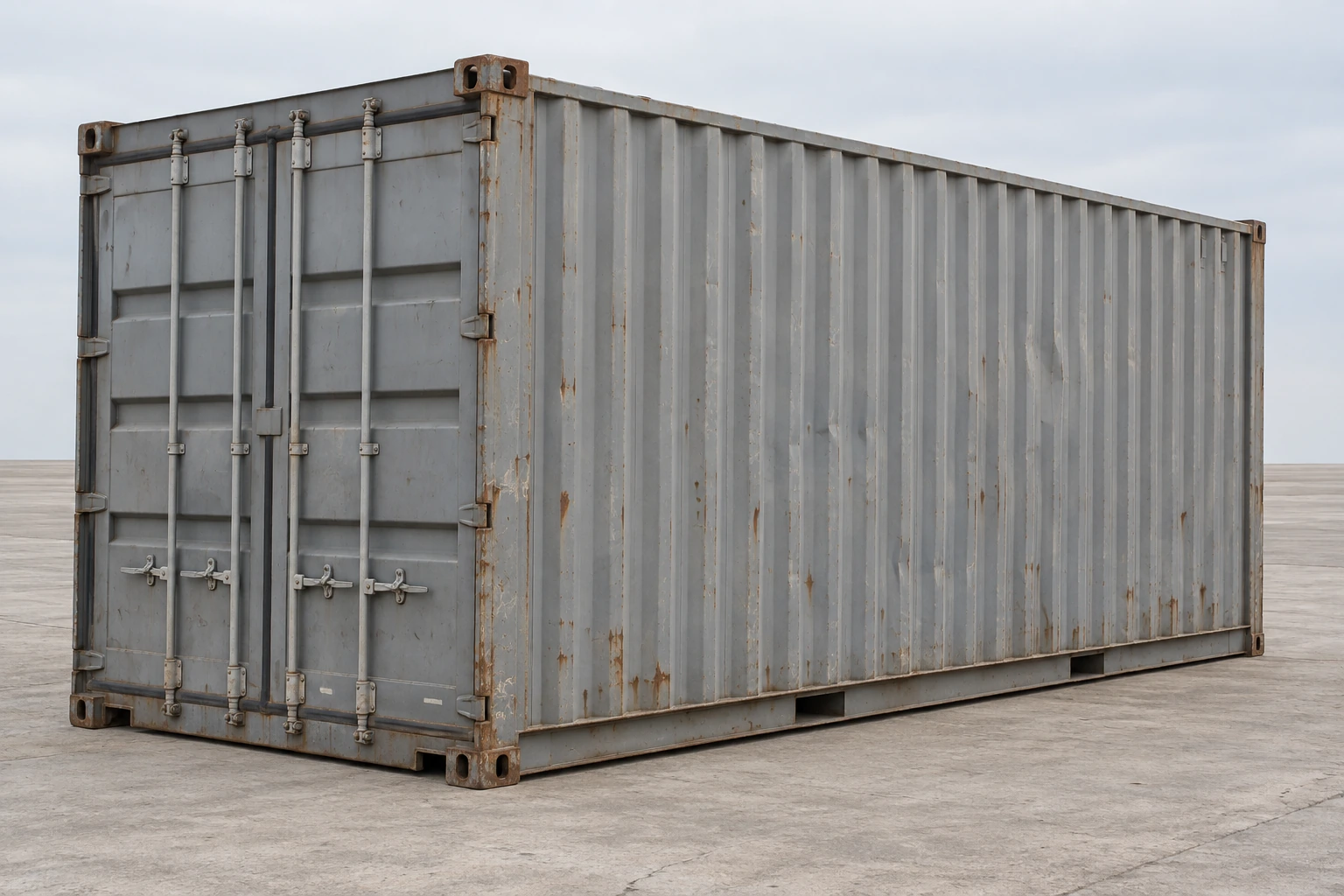
For a transport project: compare the actual inspection, CSC examination records and acceptance by your intended carrier.
Explore cargo-worthy →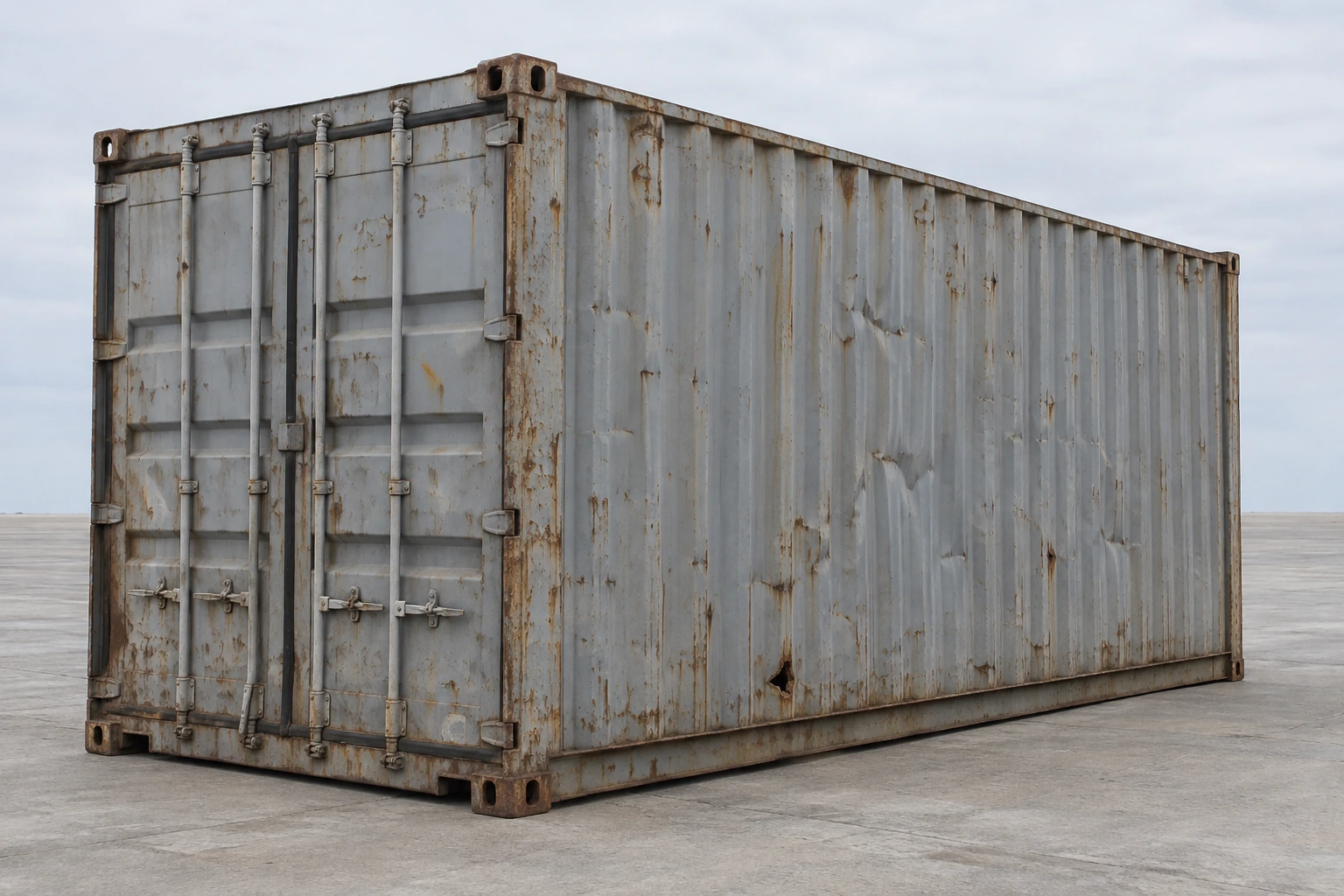
For a repair project: identify the defects and price the work before comparing the complete cost with a usable container.
Explore as-is →Compare an offer described as lightly used with one-trip. Confirm the actual history and finish; the label is defined by the seller.
You are viewing this grade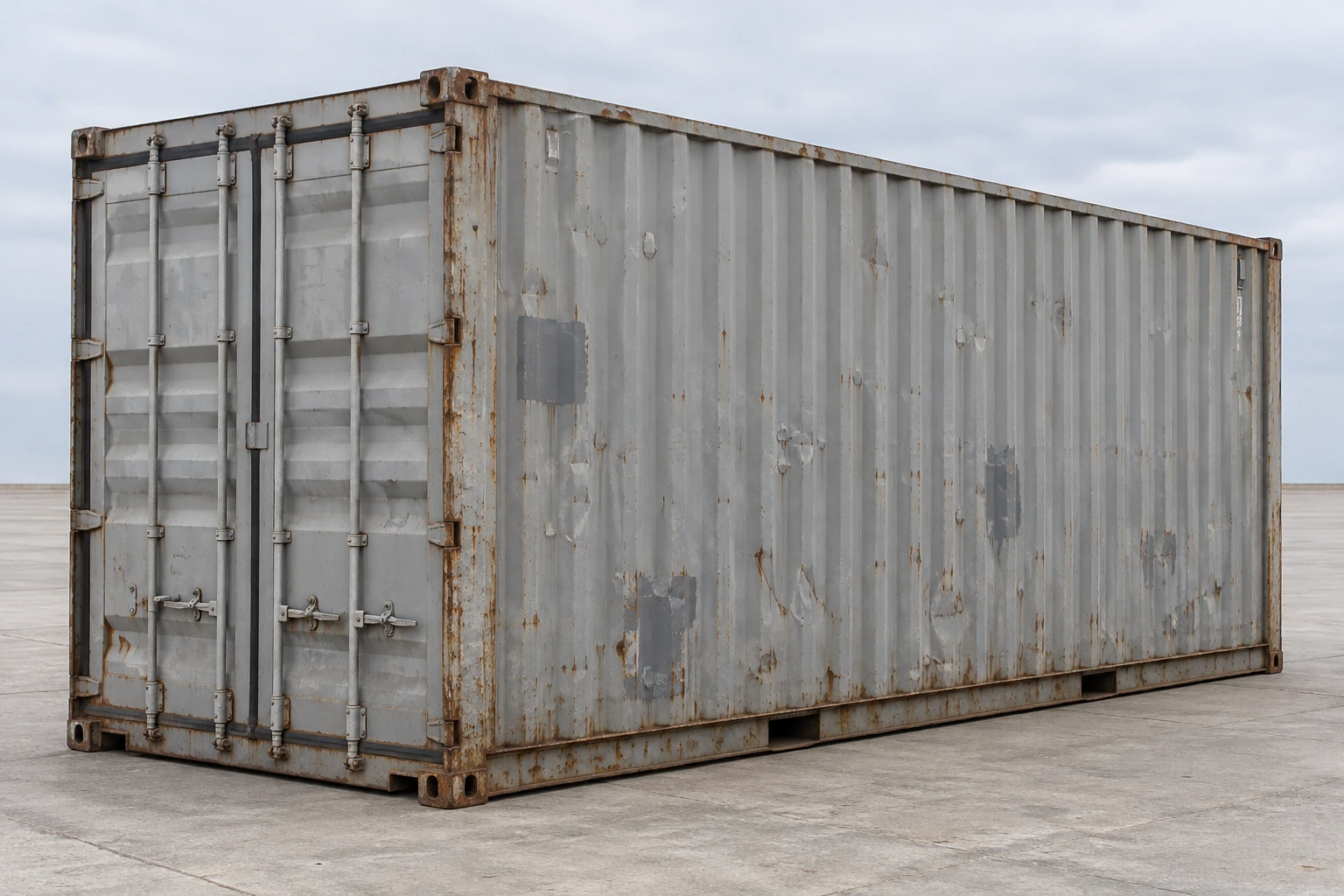
Compare budget storage offers by the defects accepted and the protection included. Economy does not automatically mean WWT or as-is.
Explore economy grade →Compare the floor surface, wall wear and visible repairs, then request close-up photos of the actual unit.
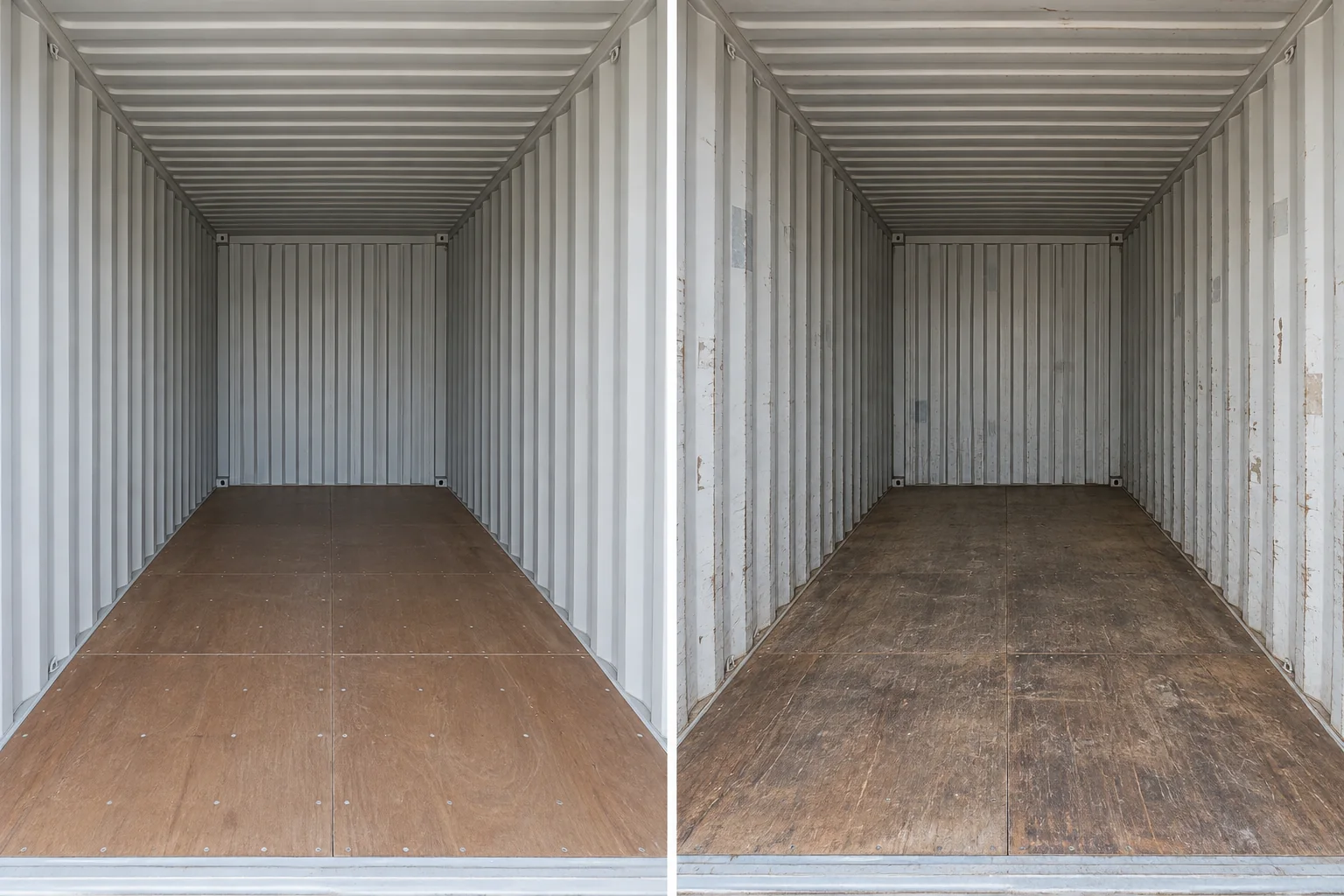
Illustrative appearances. Paint and rust alone do not establish weather-tightness or suitability for shipping.
Use the definition supplied with the offer. If the seller states a number, ask what records support it and whether it is an estimate. Do not assume every multi-trip offer uses the same threshold.
No. Multi-trip describes prior use in the offer. Cargo-worthy concerns cargo-service condition. Neither label replaces the actual unit's inspection evidence, relevant documents or acceptance requirements for a planned shipment.
Compare current offers for your ZIP. The meaningful difference is the complete cost after delivery, unloading, necessary work and applicable taxes, matched to the finish and condition you need.
Include the condition, unloading and any work your container needs.